

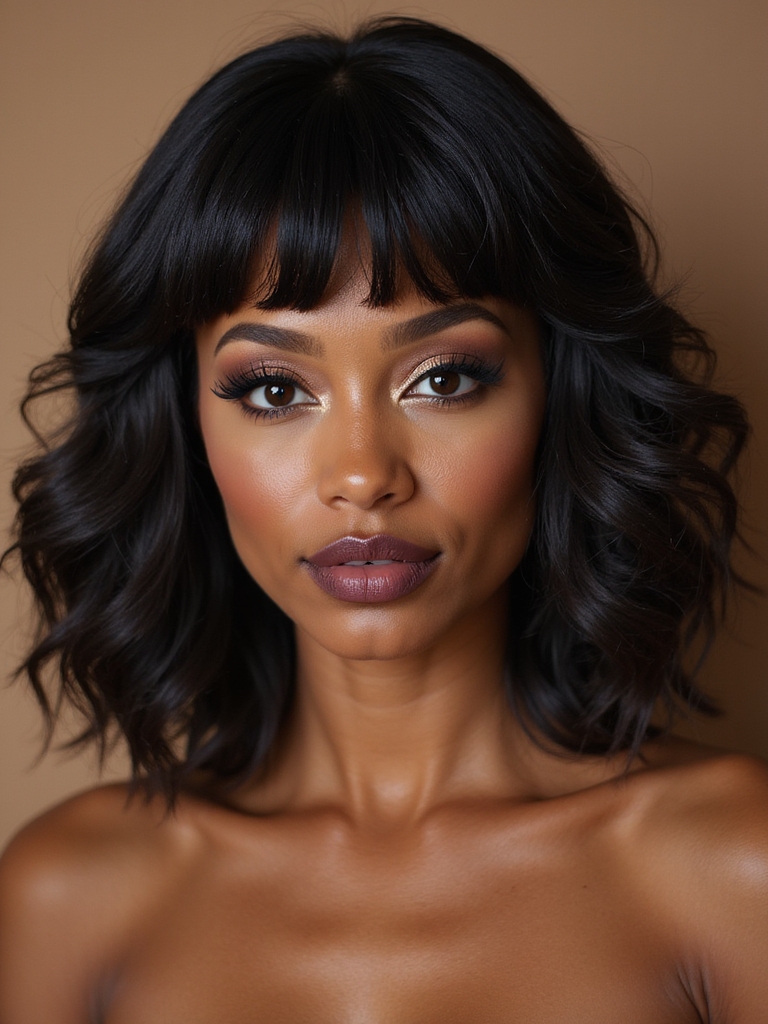
I love how curtain bangs can frame a face and celebrate natural texture without hiding your curls, and I want to show you how they work with coils, kinks, and waves.
They’re low‑maintenance when cut and cared for right, and they can be styled into protective looks or worn free and soft. Stick around—I’ll walk you through choosing the right shape, cutting tips, and daily refresh tricks so your bangs truly glow.
Why Curtain Bangs Work Beautifully on Natural Hair
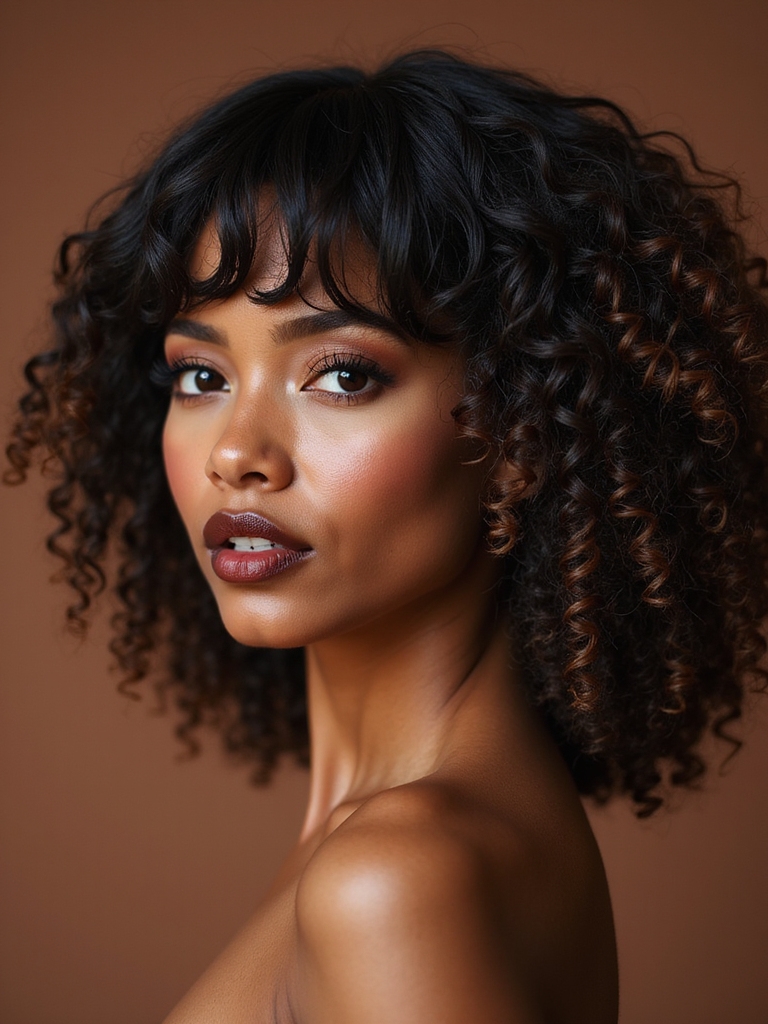
When I first tried curtain bangs on my natural hair, I was surprised how effortlessly they balanced my curl pattern and face shape; they frame the face without masking my texture.
I found they soften features, add movement, and let curls breathe. I found they work with volume, highlight coils, and feel low-maintenance. I recommend them to anyone wanting a fresh, flattering change that honors natural hair.
They also create a soft, face-framing style that enhances curls and texture, making them a versatile option for many curl types.
Choosing the Right Curtain Bangs for Your Curl Pattern
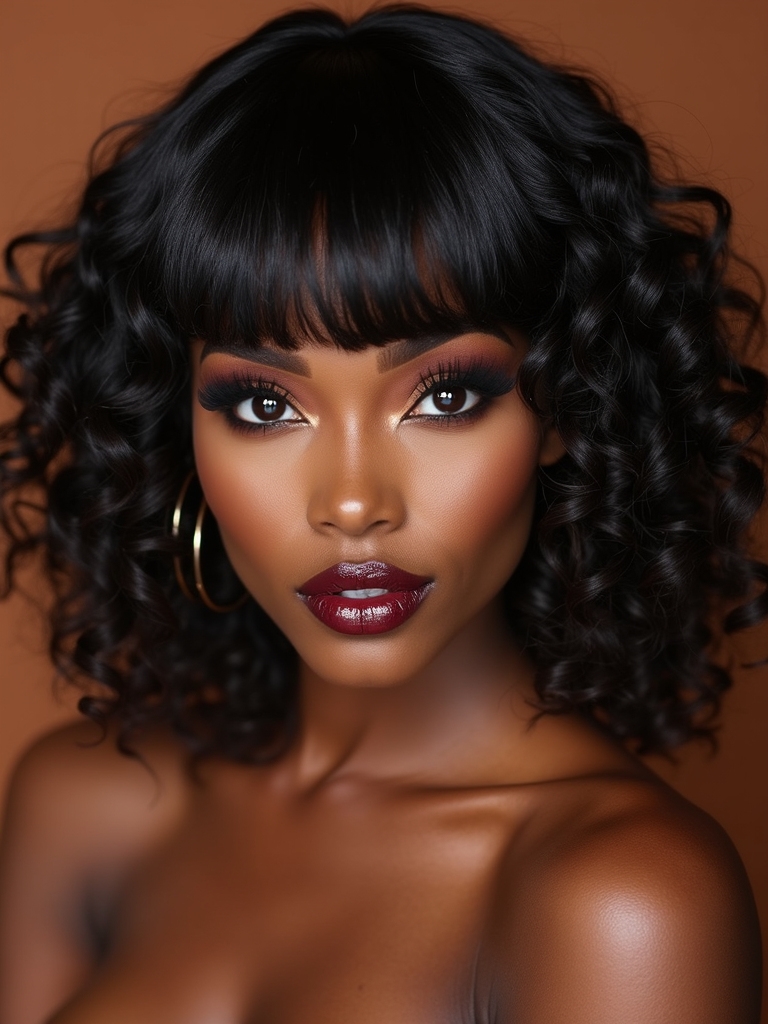
If you’re thinking about trying curtain bangs on your curls, the first thing I do is look closely at my curl pattern so I can pick a shape that plays to its strengths.
I match bang length and layering to curl tightness—looser curls take longer, softer layers; tighter coils need shorter, chunkier bangs and strategic thinning.
I also test styling methods to guarantee bounce and definition.
A helpful step is learning about curl pattern types to choose the best cutting and care approach.
Face Shapes and Curtain Bang Styles That Flatter
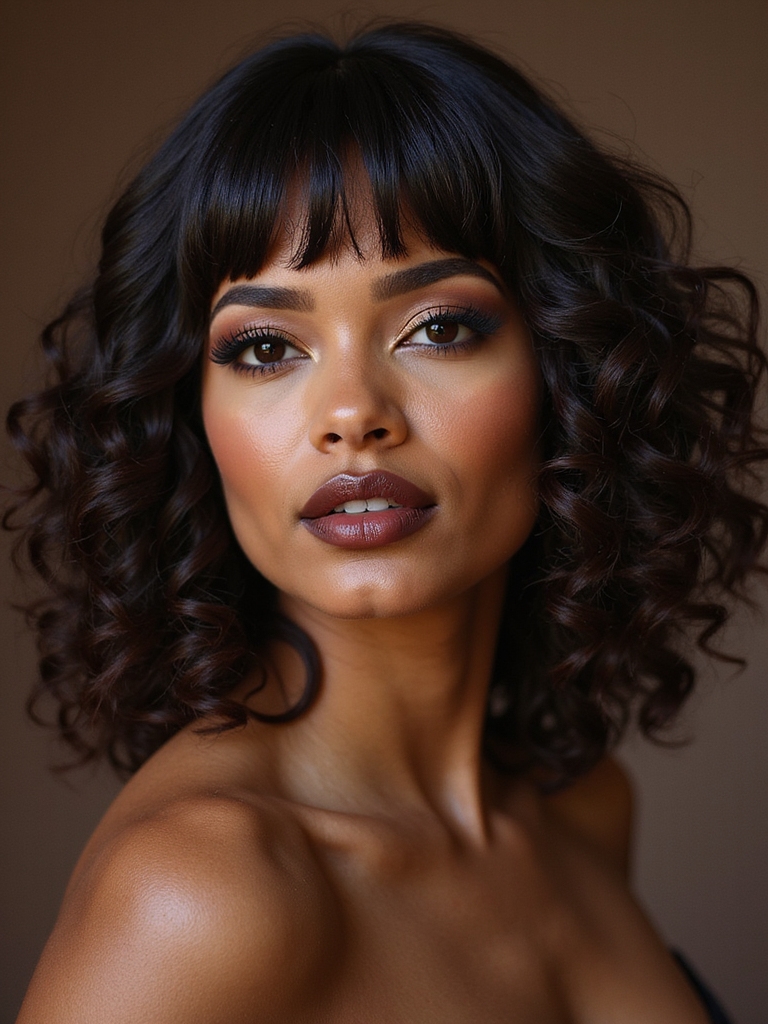
Although face shape doesn’t have to dictate your style, I always start by identifying mine so I can pick curtain bangs that highlight my best features; knowing if you have an oval, heart, square, round, or long face helps you tailor length, parting, and volume for the most flattering effect.
I favor softer layers for square faces, wispy bangs for round shapes, and longer, face-framing pieces for heart and long faces.
Effortless Curtain Bangs add movement and can soften facial lines when styled with soft layers.
Cutting Techniques for Healthy Curtain Bangs on Coily Hair
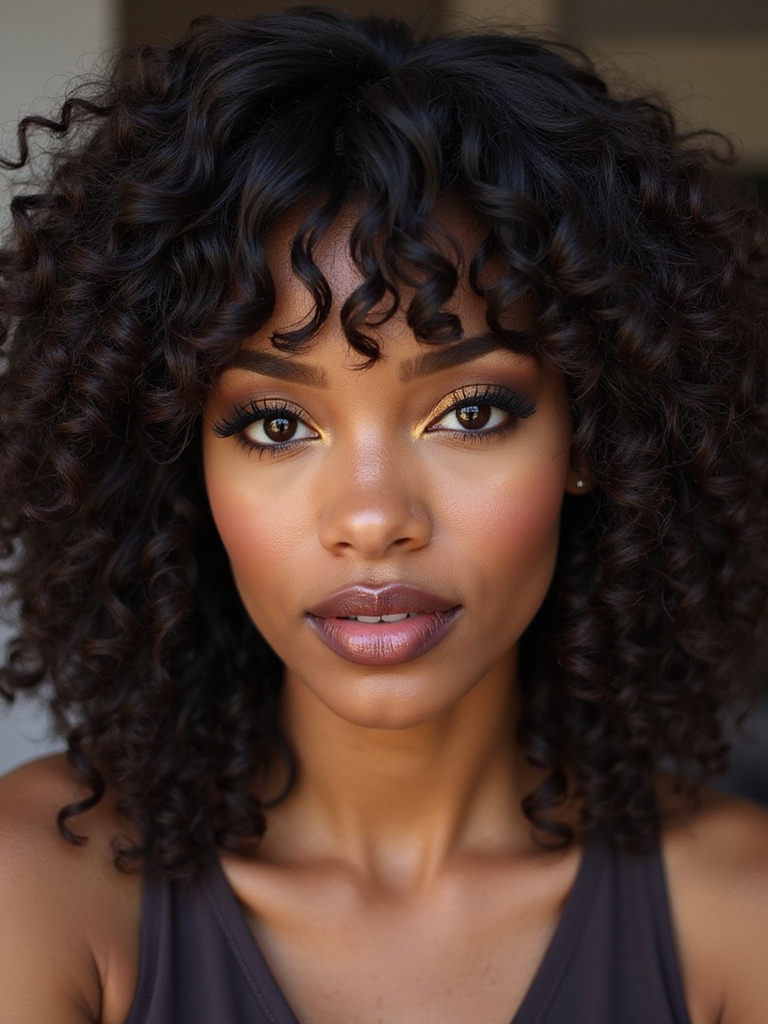
Because coily hair behaves differently at the roots and ends, I always start by working with dry, stretched curls so I can see the true length and shape before I cut.
I trim small amounts, use point-cutting to soften edges, and shape with minimal tension. I preserve density at the crown, create face-framing layers, and check balance often for a healthy, natural curtain bang.
I often recommend styling that enhances natural curl pattern with curtain bangs to maintain shape and movement.
How to Integrate Curtain Bangs With Protective Styles
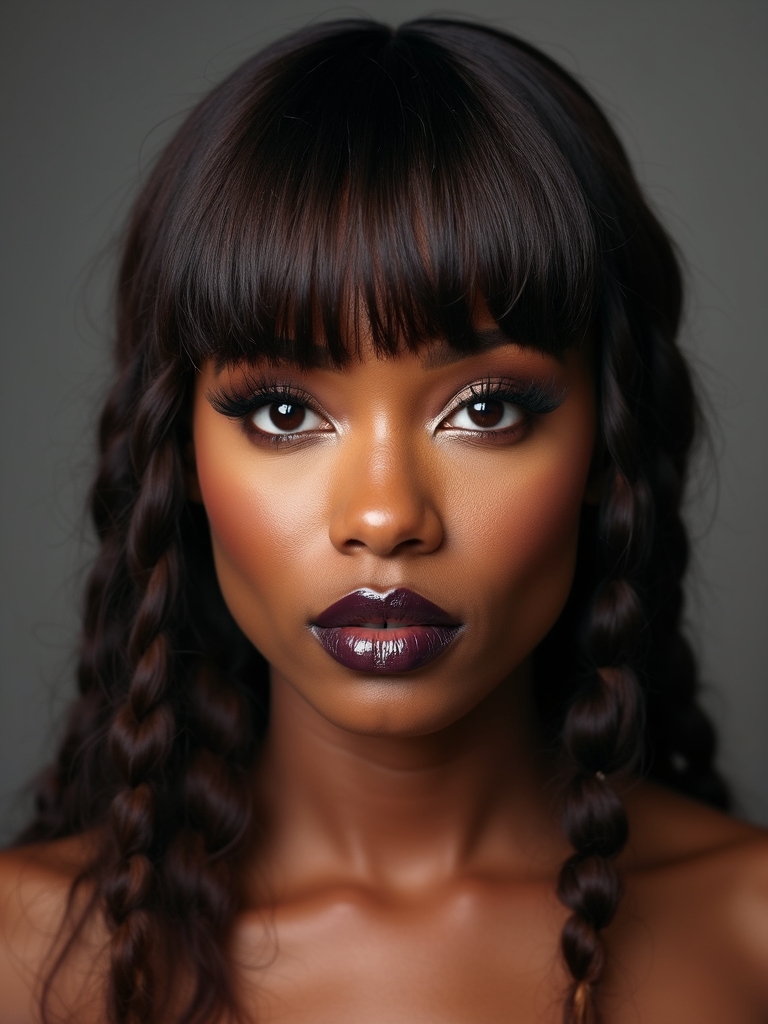
I love how curtain bangs can freshen up protective styles, if you’re rocking a wig or rocking braids.
When I use a wig, I make sure the bangs blend with the hairline for a natural look, and with braids I style face-framing pieces to soften the part.
Let’s talk about easy techniques to make both options look seamless and low-maintenance.
Curtain bangs also work beautifully with long layered hair, creating movement and framing the face when blended into layers like long layered hair.
Styling With Wigs
Experimenting with wigs has been one of my favorite ways to get the curtain bangs look while keeping my natural hair protected. I pick lace fronts with pre-styled bangs or trim a wig’s fringe for symmetry, blend edges with baby hairs and gel, and secure with pins or a wig cap.
It’s an easy, low-commitment way to switch looks confidently.
Pairing With Braids
Pairing curtain bangs with braids opens up so many chic, protective options—I like to think of the bangs as a soft frame that adds movement to even the most structured styles.
I’ll tuck stitched bangs into feed-ins, let wisps fall over cornrowed parts, or sew a lightweight frontal with blended curtain pieces. It keeps edges safe while softening the face.
Styling Daily: Quick Methods for Defined Curtain Bangs
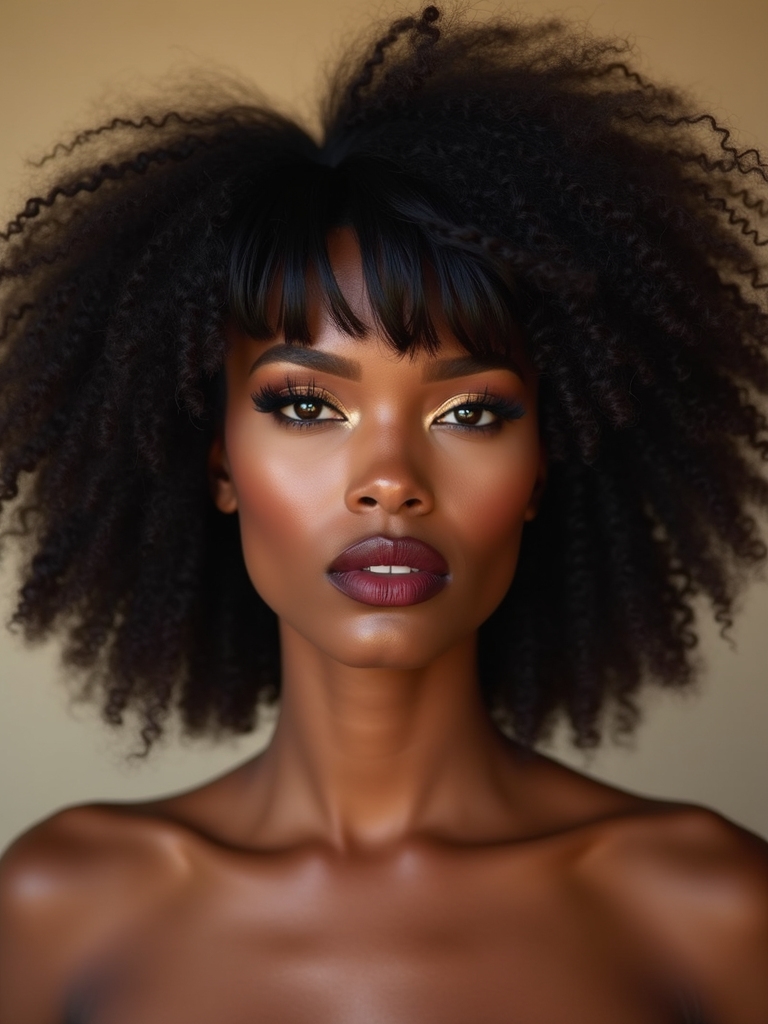
I’ll show you two simple tricks that keep curtain bangs looking fresh without a lot of fuss.
For mornings, I like a quick air-dry shaping with a bit of leave-in and finger-stretching to set the part and movement.
And on busy days I refresh the shape heat-free with a spritz, a light cream, and a few strategic twists or clips to redefine the curtain.
Quick Air-Dry Shaping
When I let my curtain bangs air-dry, I focus on simple steps that shape them without heat—because quick, consistent technique beats elaborate routines.
I gently blot excess water, apply a lightweight cream, and part them down the middle. Then I twist small sections between fingers to encourage bend and tuck ends under with a soft clip until dry. It’s effortless and reliable.
Daily Heat-Free Refresh
Blotting and finger-twisting kept my bangs looking fresh without heat, but some days they need a quick midday boost — and that’s where a simple, heat-free refresh works wonders.
I spritz a little water or leave-in, scrunch and part with my fingers, then wrap each side loosely around my fingers to encourage that curtain curve. It lasts and feels natural.
Stretching and Shrinking: Managing Bang Length With Shrinkage
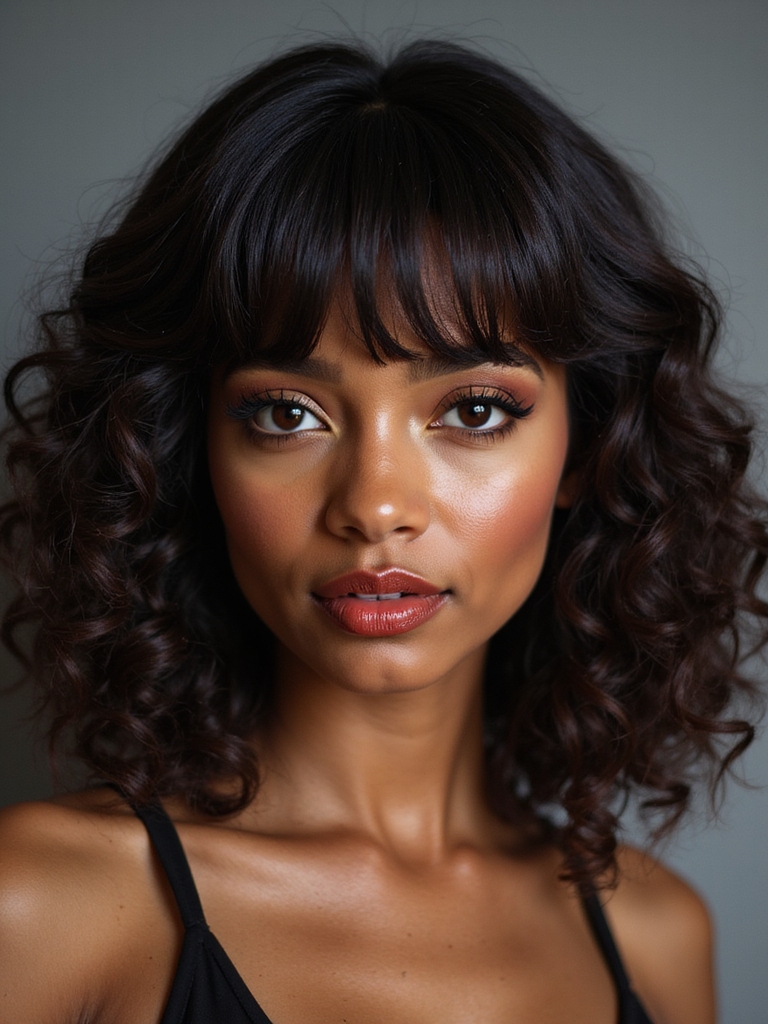
Because my natural curl pattern loves to surprise me, I’ve learned a few tricks to keep curtain bangs looking the length I want instead of a cropped surprise after wash day.
I gently stretch wet bangs with finger coils, diffuse on low to set, then pineapple lightly overnight. On shrinkage days I smooth edges with a wide-tooth comb and re-drape pieces for a softer, longer appearance.
Products That Enhance Texture Without Weighing Bangs Down
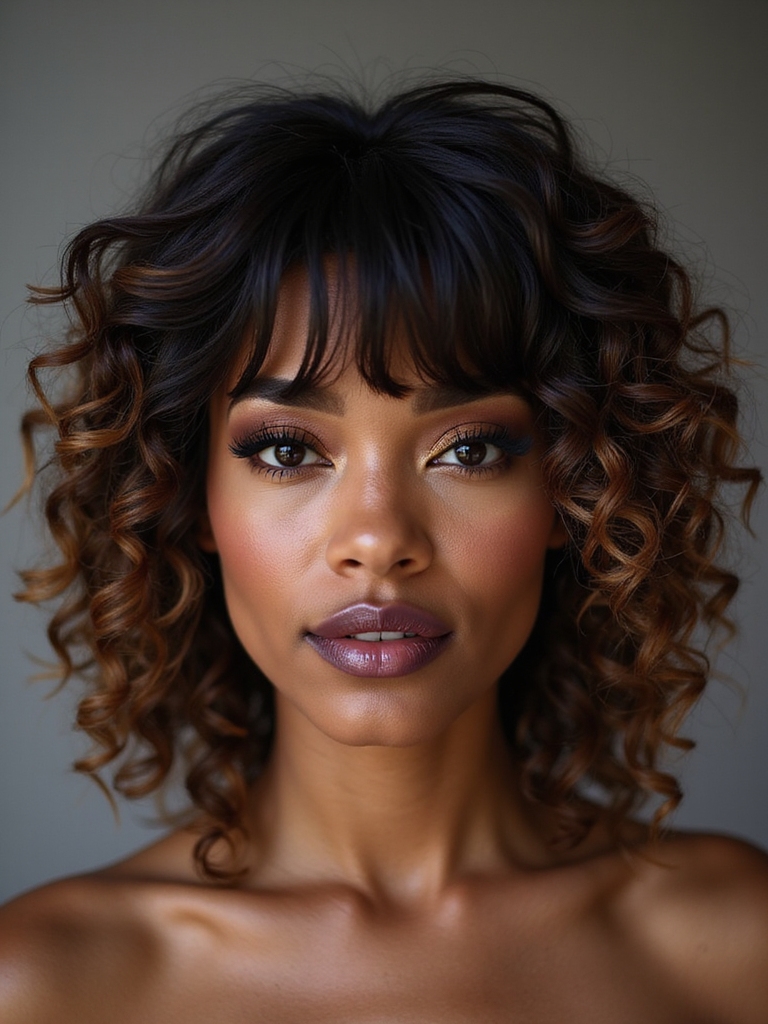
I like to reach for lightweight styling creams that define my curl pattern without leaving residue, especially when I want my curtain bangs to move freely.
I also keep alcohol-free texturizers on hand to add grip and separation without drying, and a weightless heat protector that shields strands when I style with a flat iron or diffuser.
Together they give texture and control while keeping my bangs bouncy and light.
Lightweight Styling Creams
Try a lightweight styling cream and you’ll notice your curtain bangs breathe and move without getting heavy or greasy.
I love applying a pea-sized amount to damp edges, smoothing for definition and soft hold.
It enhances natural texture, tames frizz, and keeps bounce all day.
You can refresh with a tiny dab — no buildup, just effortless shape and shine.
Alcohol-Free Texturizers
When I reach for an alcohol-free texturizer, I’m looking for something that livens my curtain bangs without drying them out or weighing them down.
I favor lightweight sprays and creams with humectants and natural oils that add separation and soft hold. They restore bounce, define layers, and tame frizz while keeping shine.
I apply sparingly to damp or dry hair for touchable, natural movement.
Weightless Heat Protectors
With a quick spray or a fingertip glide, I reach for weightless heat protectors that shield my curtain bangs without flattening their natural bounce.
I love formulas that provide invisible thermal defense, light hold, and soft separation—no greasy residue. They boost definition when I diffuse or flat-iron, keep frizz at bay, and let my bangs move freely so my style feels effortless and fresh.
Heat-Free Techniques to Shape and Train Curtain Bangs
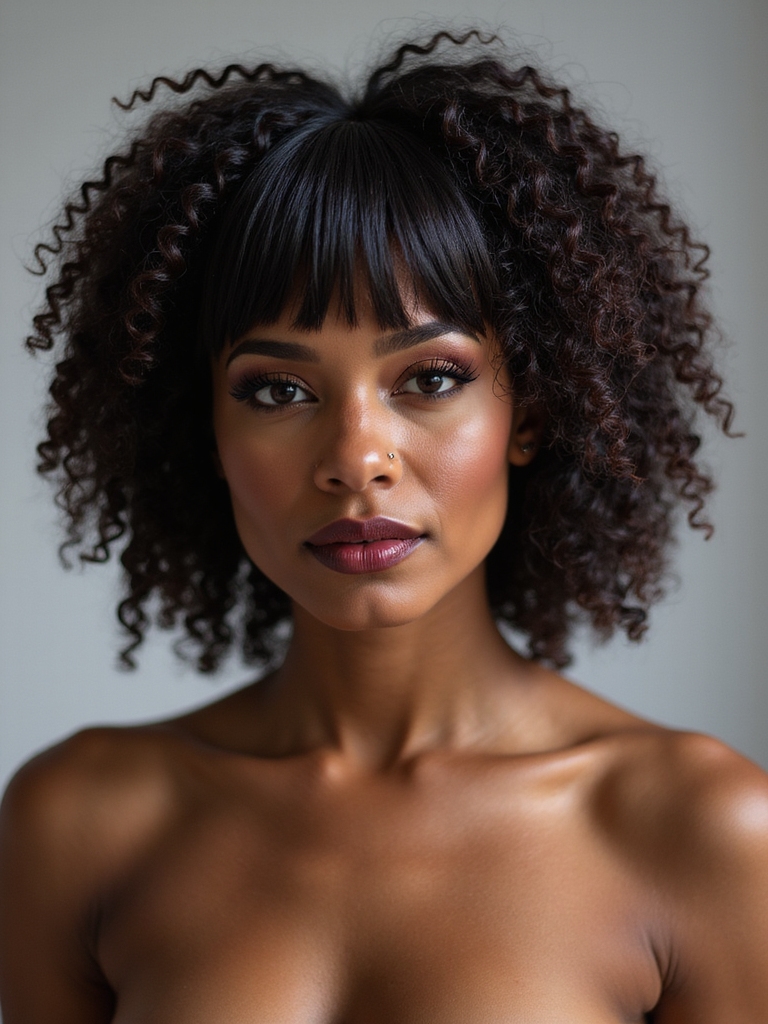
Accepting heat-free methods has been a game changer for me when shaping and training curtain bangs—especially for textured black hair that I want to keep healthy and defined.
I use gentle twisting, banding overnight, and setting with water and a lightweight curl cream.
I finger-style the part, secure with clips while drying, and welcome slow, consistent shaping so my bangs fall naturally without heat.
Refreshing and Reviving Second- and Third-Day Bangs
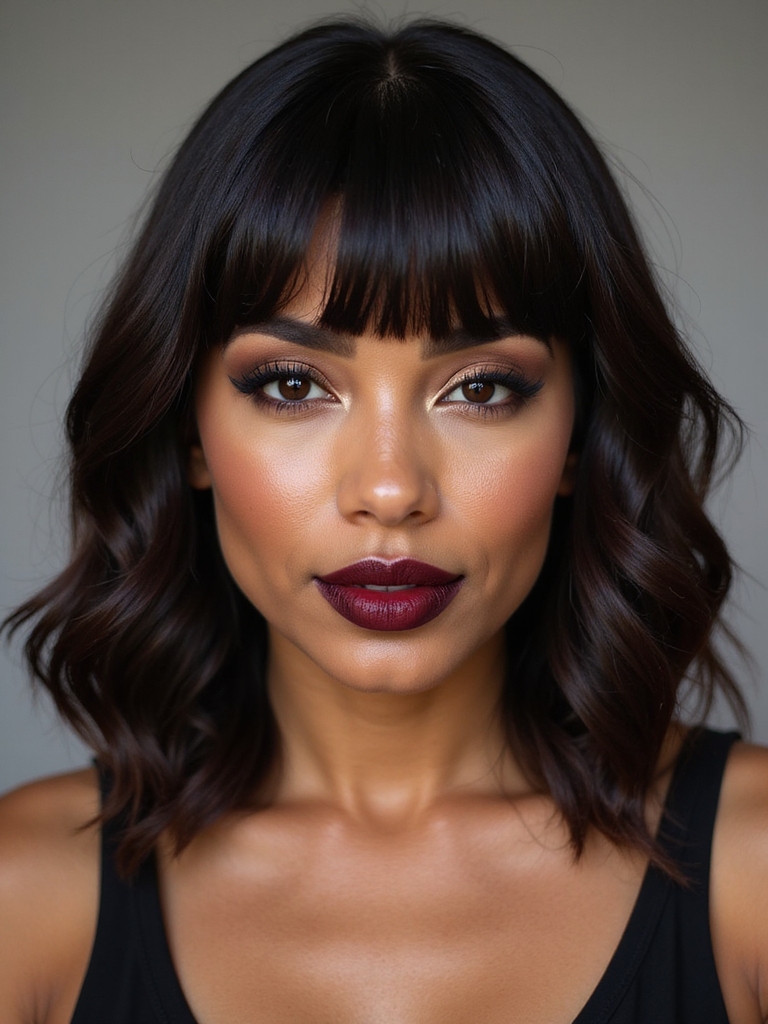
Once I’ve shaped my curtain bangs without heat, the next step is keeping them fresh on day two and three so they still look intentional and bouncy.
I lightly mist with a water-leave-in mix, finger-stretch and re-wrap sections with a silk scarf for ten minutes, then fluff at the roots. A dry shampoo touch-up revives volume and scent—simple, quick, effective.
Transitioning From Full Bangs or Blunt Cuts to Curtains
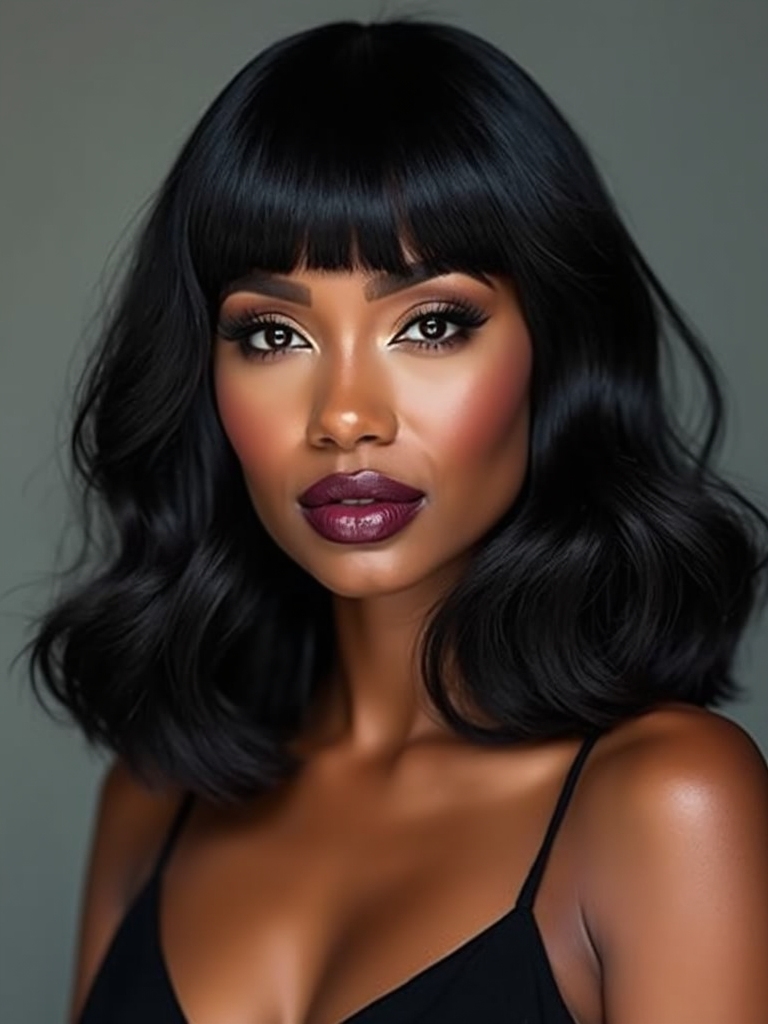
Switching from full or blunt bangs to curtain bangs feels like giving your look a soft, modern refresh, and I’ll show you how to make that change without losing the shape or length you love.
I start by sectioning hair, angle-cutting to create a gentle center part, and blending edges into layers.
I encourage patience—small trims and styling shape the perfect, face-framing curtain.
Maintenance Schedules: Trims, Deep Conditioning, and Scalp Care
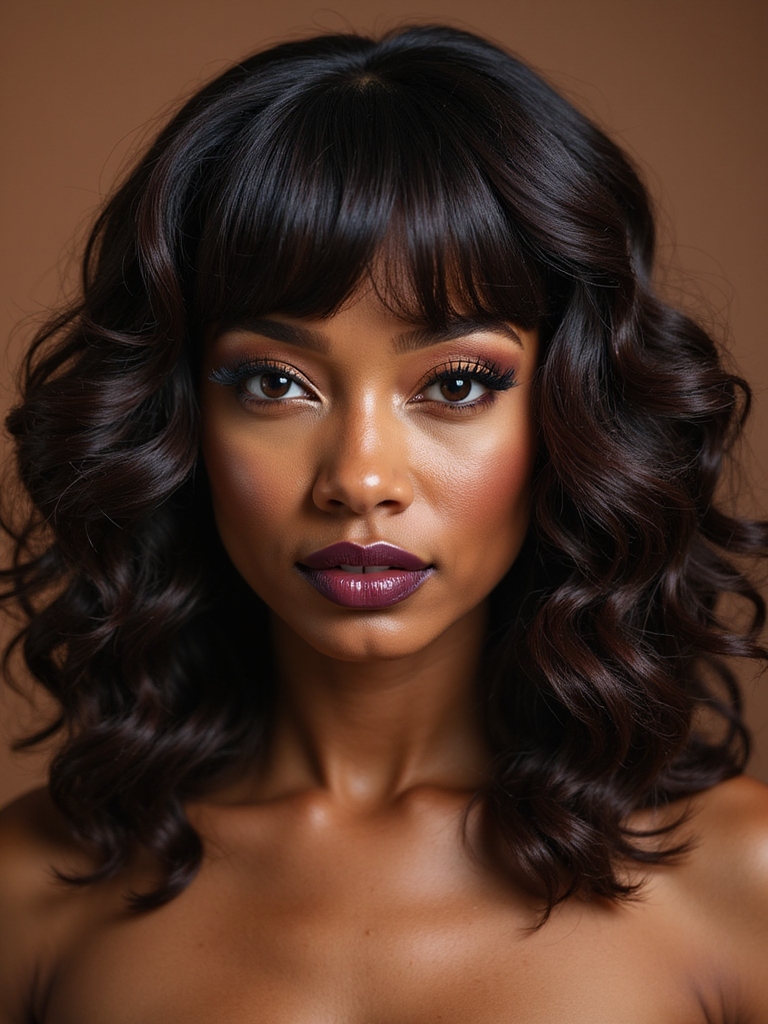
I’ve found that a simple trim schedule keeps curtain bangs shaping nicely without overdoing it, and I’ll share a clear guide for timing.
I’ll also walk you through a practical deep‑conditioning routine to maintain moisture and definition.
Plus, I’ll offer quick scalp health tips so your roots stay strong and flake‑free.
Trim Frequency Guide
Regularly trimming and tending to your curtain bangs keeps them looking fresh and prevents split ends from changing their shape, so I recommend a simple maintenance rhythm you can actually stick to.
I trim every 6–8 weeks for shape, touch up bangs’ length at home between appointments, and check my scalp weekly for irritation. That routine keeps my style neat and healthy.
Deep-Conditioning Routine
Deep-conditioning keeps curtain bangs soft, defined, and less prone to breakage, so I treat it as a nonnegotiable part of my routine.
I use a protein-moisture balance mask weekly, apply from mid-lengths to ends, cover with a satin cap, and use gentle heat for 20–30 minutes.
After rinsing, I seal with a lightweight oil to lock in shine and manageability.
Scalp Health Tips
Keeping my scalp happy is the backbone of any curtain-bang routine — after I finish a nourishing deep-condition, I switch focus to the roots so new growth stays healthy and breakage stays minimal.
I trim bangs every 6–8 weeks, deep-condition weekly or biweekly, and massage oil into the scalp twice a week to boost circulation. Consistent gentle care preserves shape and shine.
Accessorizing Curtain Bangs: Headwraps, Clips, and Pins
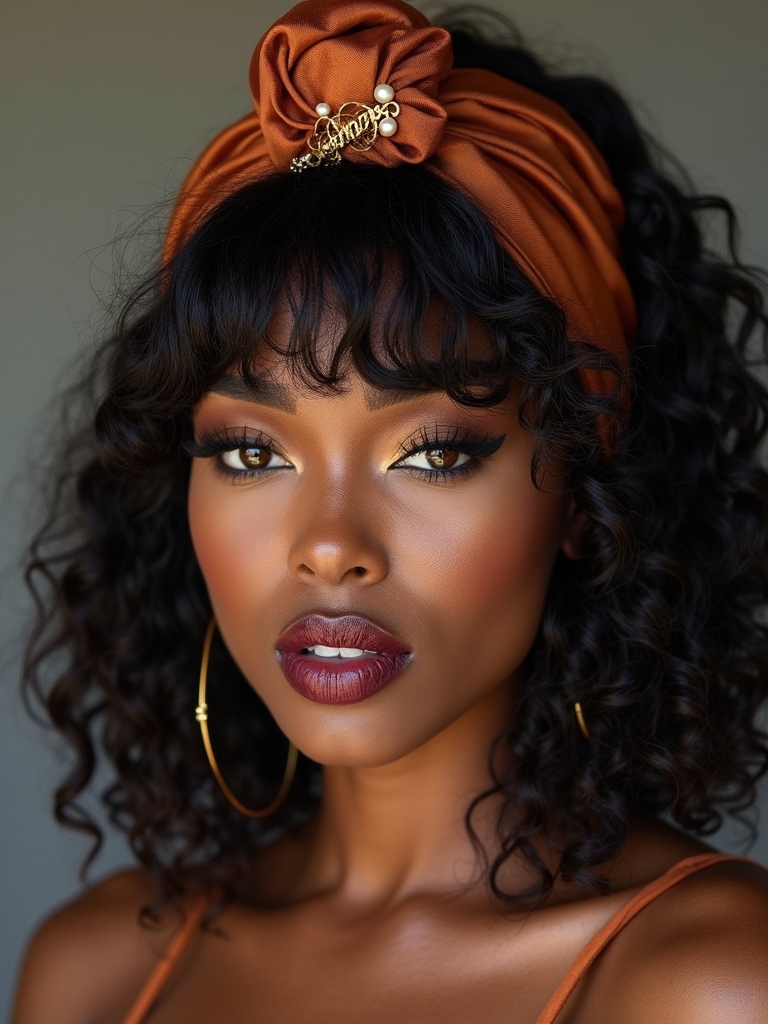
I love how a simple clip or headwrap can instantly change the mood of curtain bangs, so I’ll walk you through the easiest ways to style them without hiding your shape.
I reach for silk scarves to protect texture, small decorative clips to lift roots, and bobby pins to sculpt soft frames. Mix sizes and colors to highlight your face and keep edges neat.
Styling Inspiration: Looks for Work, Events, and Everyday Wear
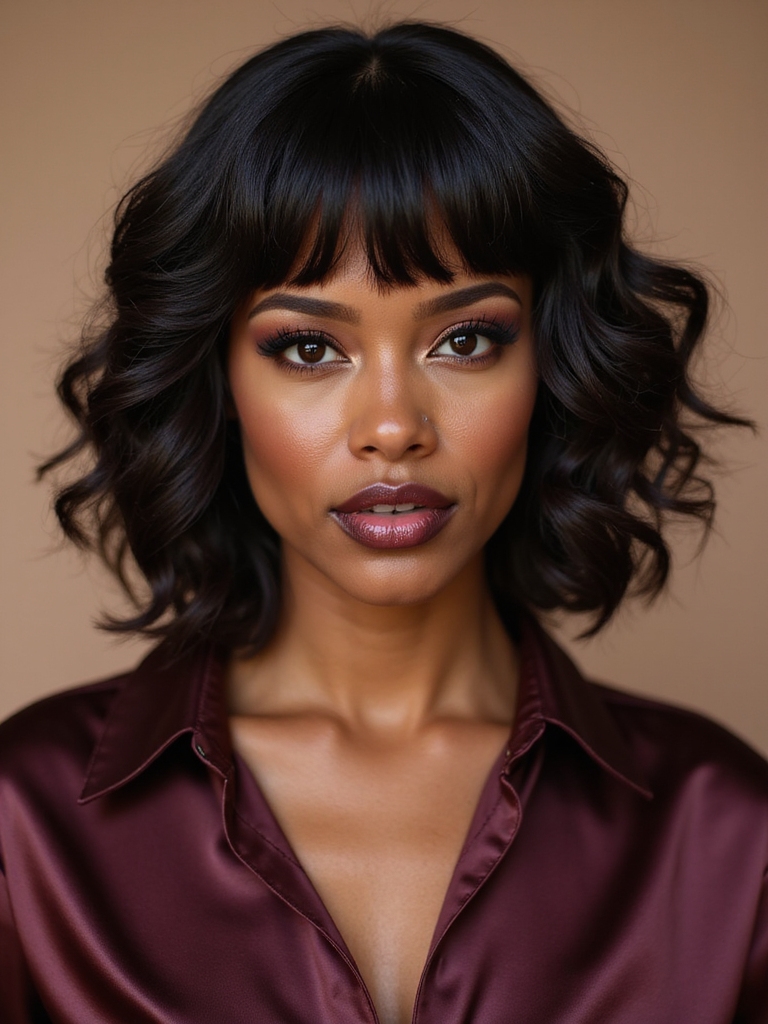
When I’m putting together looks for different parts of my week, I think about how curtain bangs can shift from polished to playful with just a few tweaks — for work I smooth them with a light pomade and tuck them behind one ear for a clean silhouette, for events I add a glossy clip or soft wave to make the frame pop, and for everyday wear I keep things effortless with a quick blowout or finger-tousle.
I pair neutral makeup and sleek buns for meetings, romantic curls for dates, and messy ponytails with relaxed texture for casual days.
Working With Stylists: What to Ask for and Bring to Your Appointment
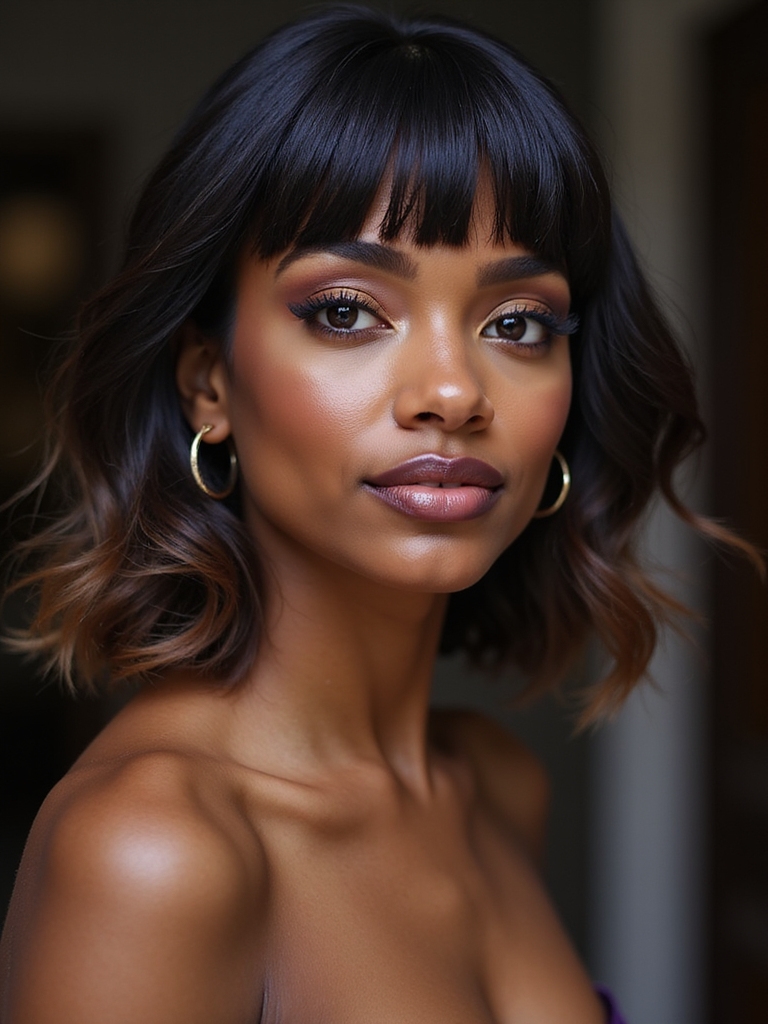
Because a great curtain-bangs cut depends on shared expectations, I always come prepared for my stylist appointment — photos of styles I like, clear notes about my hair texture and daily routine, and examples of any problem areas (cowlicks, low hairline, shrinkage).
I ask about maintenance, preferred products, styling time, and if the fringe suits my face shape, then listen and confirm a clear plan.
I hope this guide helps you see how curtain bangs can celebrate your natural texture and make getting ready feel joyful, not stressful. I love how a soft center part and tailored layers can highlight curls, cheekbones, and personality—whether you’re rocking a wash‑and‑go, protective style, or a wig.
Ask questions at your appointment, protect your ends, and play with wraps or clips. Try them—have fun, trust your hair, and shine on.


