

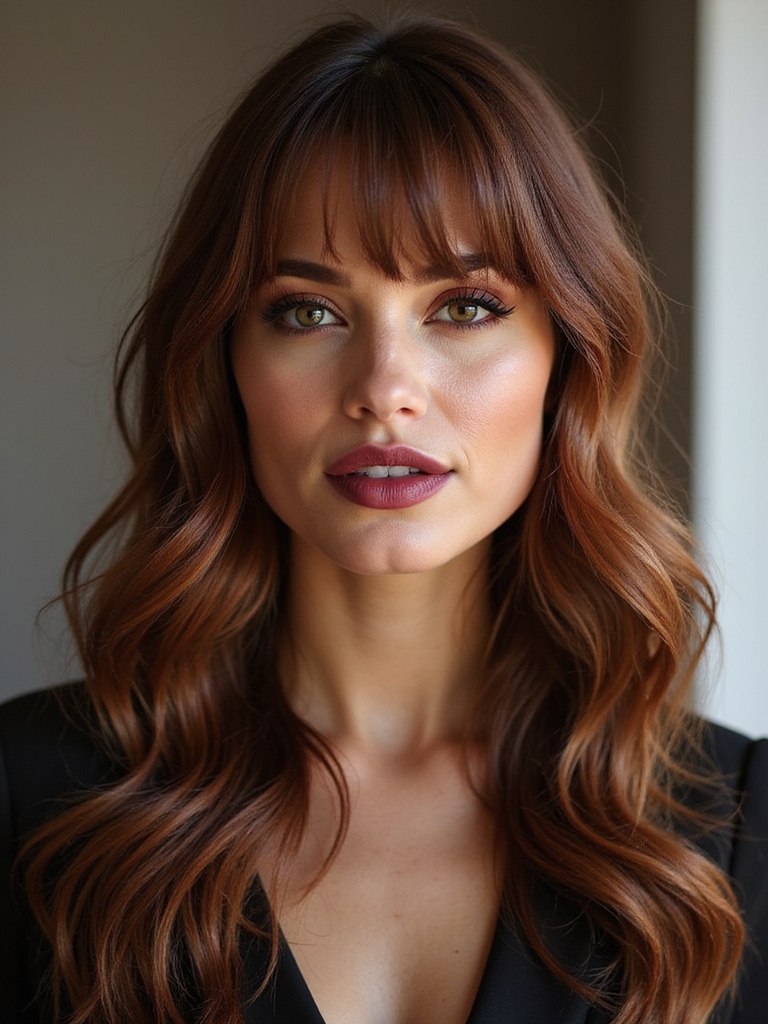
I’m obsessed with how long curtain bangs can instantly lift a look without feeling high-maintenance. They frame your face, add movement, and work on almost every texture — if your hair’s fine, wavy, or thick.
I’ll walk you through who they suit, how to ask your stylist, and easy styling tricks to keep them soft and lived-in — and I promise you’ll want to try one tweak first…
What Are Long Curtain Bangs and Why They’re Trending
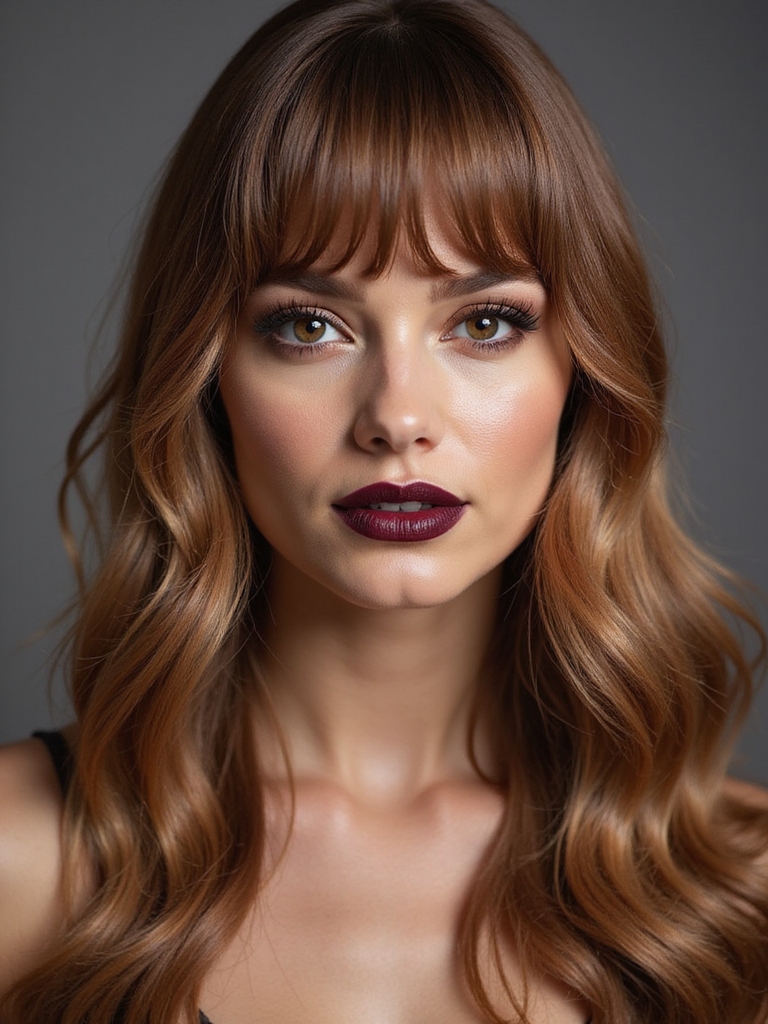
Curious about why everyone’s talking about long curtain bangs? I love how they frame the face with soft, sweeping layers that part in the middle or slightly off-center, creating effortless movement.
They’re low-maintenance, adaptable to length and texture, and revive any cut without dramatic commitment. That ease and versatility explain why stylists and influencers keep recommending them.
They also pair beautifully with classic long styles like Long Hair With Curtain Bangs, adding instant dimension and flow.
Which Face Shapes Best Suit Curtain Bangs
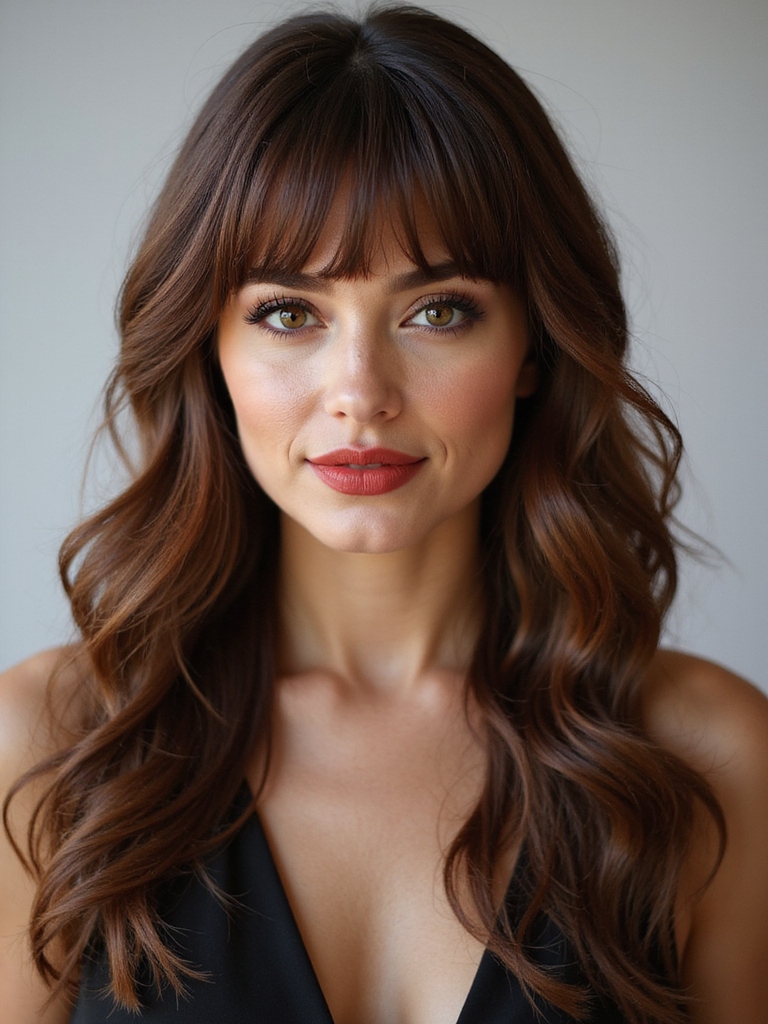
Wondering if curtain bangs will actually flatter your face? I say yes for many shapes — they frame features and soften angles.
Consider these fits:
- Oval: my top pick, balances everything.
- Heart: softens a pointed chin nicely.
- Square: eases strong jawlines with gentle sweep.
- Round: creates length with long, face-framing layers.
Curtain bangs work well with layered cuts to enhance movement and face-framing effects.
Matching Curtain Bangs to Hair Texture

If your hair’s fine, thick, straight or curly, curtain bangs can work — you just have to tweak the cut and styling to match the texture.
I recommend softer, feathered slicing for fine hair, chunkier layers for thick hair, a blunt edge for straight hair to keep shape, and longer, blended pieces for curls so they frame your face without puffing.
A great option for long hair is to pair curtain bangs with long layers to add movement and balance.
Ideal Hair Lengths for Curtain Bangs

Length matters more than you might think when it comes to curtain bangs, and I’ll walk you through what works best for different cuts and lifestyles. I love recommending lengths that flatter face shape and maintenance needs — short, mid, or long curtain bangs each have perks. Pick what fits your routine and haircut.
- Chin-length for bold framing
- Lip-length for softness
- Collarbone-length for versatility
- Long layers for low-maintenance flair
Effortless long styles are easily achieved with long layers that enhance movement and face-framing curtain bangs.
How to Ask Your Stylist for the Perfect Cut

When I sit in the chair I tell my stylist exactly how long I want the bangs to fall and where I want the part to sit so there’s no guessing.
I always bring a couple of reference photos — one showing the overall length and one close-up of the face-framing layers — so we’re on the same page.
That combo of clear length directions and visuals gets me the curtain bangs I actually want.
I also mention that I prefer long layers and soft curtain bangs so the cut blends seamlessly with my length and face shape.
Describe Desired Length
Because I want you to leave the salon happy, I always describe curtain bangs by where they should sit—cheekbones, jawline, or collarbone—so your stylist knows exactly how much to cut.
I say which length suits my face and daily routine, then confirm the angle and thickness.
- Cheekbones: flirty, soft
- Jawline: bold, framing
- Collarbone: dramatic, long
- Slight taper: natural finish
Show Reference Photos
I like to bring a few clear reference photos so your stylist sees exactly what you want—show a front, side, and a close-up of the bangs— and I point out which parts I love (length, texture, parting) and which to skip.
I also mention my hair density and daily styling time, so they tailor the cut to my routine and realistic maintenance.
At-Home Cutting Tips for Beginners

If you’re feeling brave enough to trim your own long curtain bangs, I’ll walk you through the basics so it’s painless.
Start by sectioning your hair neatly, cut on dry hair so you see the real length, and use a point-cutting technique for a soft, natural finish.
I’ll keep the steps simple and safe so you can get great results at home.
Section Your Hair Properly
Let’s start by dividing your hair into clear sections so you don’t end up snipping blindfolded — believe me, it makes everything easier.
I part center, clip sides, isolate the fringe, and secure the back. This keeps your curtain bangs balanced and predictable.
Follow these quick steps:
- Center part
- Clip top crown
- Separate fringe
- Secure remaining hair
Cut With Dry Hair
Now that your sections are clipped and the fringe is isolated, it’s time to cut with dry hair so you can actually see how the bangs will sit.
I trim tiny amounts, snip conservatively, and check the fall often.
I tilt my head, comb naturally, and only remove what looks right.
You’ll avoid surprises and keep the shape flattering as you go.
Use Point-Cutting Technique
Because blunt cuts can feel heavy, I switch to point-cutting to soften the ends and create movement without taking too much length.
I gently snip vertically into the tips, watching the fringe fall lighter and frame my face.
Try these quick pointers:
- Hold small vertical sections, scissors angled
- Snip tiny, test drop
- Keep symmetry, avoid over-thinning
- Comb and refine as needed
Everyday Styling Techniques for Sleek Curtain Bangs

I usually start my morning routine by quickly shaping my curtain bangs so they look polished without overdoing it — and you can too.
I blow-dry them with a round brush for smoothness, add a tiny amount of styling cream to tame frizz, and finish by sweeping them aside with a light-hold spray. It’s fast, simple, and always feels fresh.
Creating Soft, Romantic Waves With Curtain Bangs
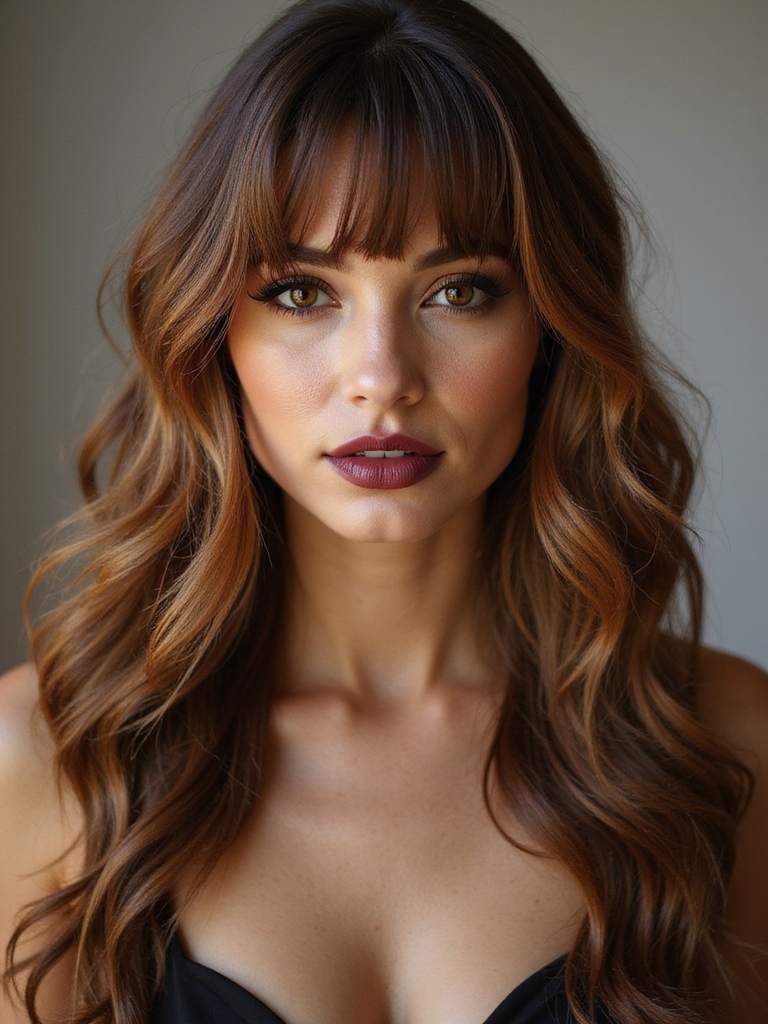
After I’ve smoothed my curtain bangs for the day, I like to give them a soft, romantic wave that keeps the face-framing shape but adds movement and a touch of whimsy.
I gently bend sections for natural curve, then fluff and finish by finger-tousling. Try these little tricks:
- Bend away from the face for openness
- Vary section size for texture
- Cool before touching
- Tuck ends for shape
Tools and Products to Keep Curtain Bangs in Place

Grab a few key tools and products and you’ll keep your curtain bangs behaving all day without fuss.
I swear by a lightweight mousse for soft hold, a small round brush to sculpt, and a paddle brush for smoothing.
Dry shampoo adds texture and grip between washes, and a flexible-hold hairspray locks shape without stiffness.
Throw in a few bobby pins for stubborn strands.
Heat-Free Styling Methods That Work

You don’t always need heat to get curtain bangs to sit pretty — I use a few simple, no-heat tricks when I’m short on time or avoiding hot tools.
They freshen shape, add bend, and tame flyaways without damage.
- Twist damp sections and clip until dry
- Use a wide tooth comb and boar brush
- Sleep with a loose headband
- Apply lightweight mousse sparingly
Transitioning From Full Fringe to Curtain Bangs

If you’re ready to move from a full fringe to curtain bangs, I’ll walk you through a simple grow-out trimming plan to keep things tidy as your hair lengthens.
We’ll also talk about small styling tweaks that flatter different face shapes so your new bangs feel effortless.
Stick with me and we’ll make the shift look intentional, not awkward.
Grow-Out Trimming Plan
Let’s map out a simple grow-out trimming plan so I can help you move from a full, blunt fringe into soft, face-framing curtain bangs without the awkward stages taking over your look.
I’ll guide short trims and shaping so you stay polished.
- Trim center length monthly
- Soften edges every 6–8 weeks
- Create a subtle middle part
- Blend with long layers as needed
Styling for Face Shape
While I guide you through shifting from a full fringe to curtain bangs, I’ll tailor styling tips to your face shape so the new look highlights your best features.
If you’re round, add height at the crown and longer layers to elongate.
For square faces, soften angles with wispy sides.
Heart shapes suit fuller mid-length bangs, and oval faces can rock any variation effortlessly.
Maintaining Curtain Bangs Between Salon Visits

When I’m not at the salon, keeping curtain bangs looking fresh is all about small, regular habits that don’t take much time. I check shape, trim stray pieces, and refresh volume with a quick blow-dry.
I’ll share simple daily moves that keep them neat without drama:
- Trim tiny snags with sharp scissors
- Use a light mist to tame frizz
- Blow-dry with a round brush
- Pin back damp for natural fall
Styling Hacks for Fine or Thin Hair
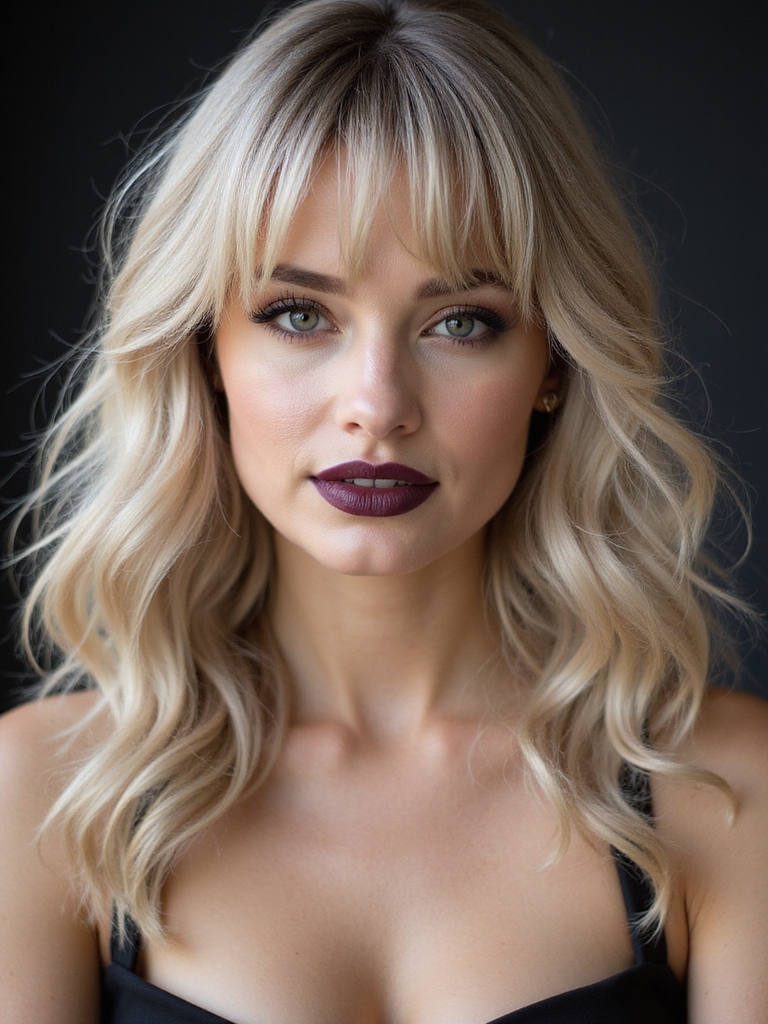
If your curtain bangs are fine or thin, you don’t have to fight flatness — you work with it. I tease gently at the roots, use a lightweight volumizing mousse, and blow-dry with a round brush to lift without stiffness.
Dry shampoo adds texture between washes, and a tiny bit of pomade on ends prevents flyaways. Soft layers keep movement and airy fullness.
Adapting Curtain Bangs for Thick or Coarse Hair
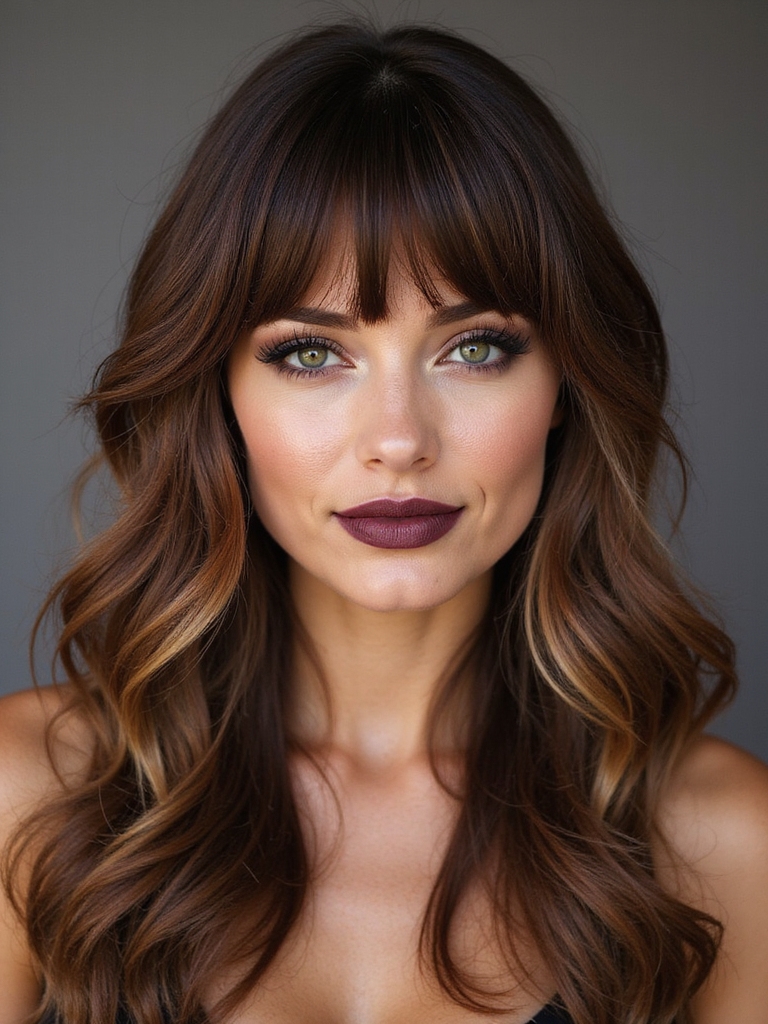
Because thick or coarse hair has so much natural weight and texture, I treat curtain bangs like a sculpting project rather than a battle.
I focus on shaping, thinning strategically, and welcoming movement so bangs sit light and flattering.
I guide you through manageable steps that keep volume controlled and style effortless.
- Point-cut for softness
- Remove bulk, not length
- Use a smoothing cream
- Blow-dry with tension
Inspiring Celebrity and Street-Style Looks

I love spotting how long curtain bangs show up on red carpet icons and how they’re translated by everyday street stars.
Let’s look at a few standout celebrity moments and easy street-style takes that you can actually copy.
I’ll also cover quick styling tips and low-effort maintenance so your bangs stay camera-ready.
Red Carpet Icons
Glamour grabs me every time I see long curtain bangs on the red carpet — they frame faces so effortlessly and give even the most structured gowns a relaxed, modern edge. I love how stars use them to soften looks and add movement.
Here are my favorite moments:
- Draped waves with face-framing fringe
- Sleek updos balanced by bangs
- Soft, glossy textures
- Playful, wind-swept finishes
Everyday Street Stars
Red carpet moments are fun, but I get really excited when long curtain bangs show up on the sidewalk and subway — that’s where style feels truly lived-in.
I love spotting effortless celebs and real people mixing vintage coats, sneakers, and low-key glam bangs. Those street-style moments teach me how to wear curtain bangs with confidence, attitude, and everyday personality without trying too hard.
Styling and Maintenance
Usually I pull inspiration from both celebrities and the people I see on the street when I’m figuring out how to style and maintain long curtain bangs.
I keep routines simple, tweak for texture, and love quick touchups between washes. Try these go-to tricks:
- Blow-dry with a round brush for soft volume
- Use a light mist for hold
- Trim every 6–8 weeks
- Adopt natural movement
I’m obsessed with how long curtain bangs instantly lift a look — they’re flattering, low‑maintenance, and totally adaptable if your hair is fine, wavy, or thick. Try them if you want soft framing and easy movement without committing to full bangs.
Ask your stylist for face‑sketching layers, keep trims every 6–8 weeks, and play with round‑brush drying or air‑drying for different vibes. Believe me, once you try them, people will notice.


