


I love how lovely curtain fringe bangs can quietly transform a look—softly parting at the center to skim cheekbones and frame your face with effortless movement. They suit so many hair types when tailored right, from tapered cuts for fine strands to layered shapes for thick, wavy, or curly textures.
If you’re curious about picking the best version for your shape and lifestyle, I’ve got simple tips that make the switch feel easy and chic—…
What Are Curtain Fringe Bangs and Why They Work
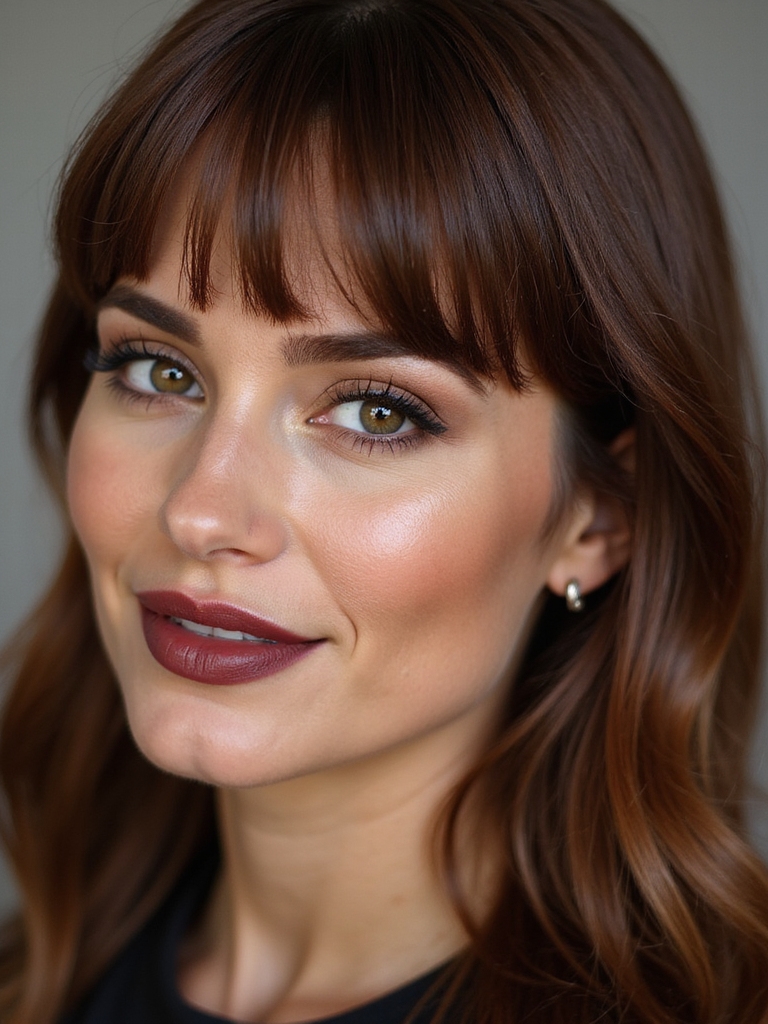
I usually call curtain fringe bangs the effortless hairstyle hack because they frame your face like a gentle curtain—parted down the middle and tapered to skim the cheekbones—without demanding daily fuss.
I love them because they add movement, soften features, and work with many textures.
They’re forgiving as they grow out, easy to style with a round brush or fingers, and refresh any look instantly.
They’re often referred to simply as Hair Curtain Bangs and are a versatile option for many face shapes.
Choosing the Right Curtain Fringe for Your Face Shape
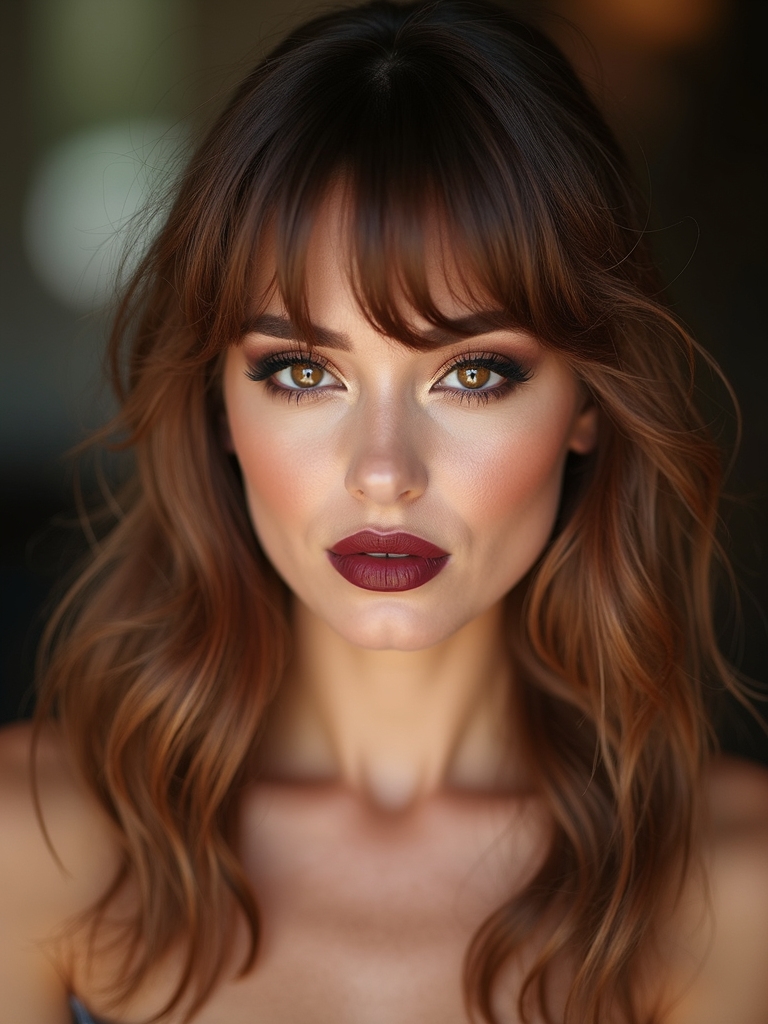
I want to help you pick the perfect curtain fringe for your face shape so it flatters your best features. For round faces we’ll add length to elongate, for oval faces we’ll keep soft layers that stay balanced, and for square faces we’ll use wispy edges to soften strong angles.
Long curtain bangs can be especially flattering for round faces by creating the illusion of length and framing the face with long curtain bangs. Tell me which shape sounds like yours and I’ll give tailored tips.
Round Face: Add Length
When your face is round, you’ll want curtain bangs that create the illusion of length—so I usually recommend longer, wispy fringes that part slightly off-center and skim past the cheekbones.
I love how that subtle angle elongates the face. Aim for tapered ends, soft layers beneath, and a bit of lift at the roots to avoid widening and keep your look balanced and fresh.
Consider adding long layers and soft curtain bangs for added movement and dimension, which pair especially well with long layers to enhance the overall effect.
Oval Face: Soft Layers
You’ve seen how longer, angled curtain bangs help round faces—now let’s talk about oval faces, where the goal is to enhance natural balance.
I love soft, face-framing layers that graze cheekbones, blending into the rest of your hair. They keep proportions flattering without overpowering.
Ask for subtle texture and a gentle taper; it’s effortless, chic, and truly highlights your features. You can pair these with soft layers to create movement and complement curtain bangs.
Square Face: Wispy Edges
Square faces get softer with wispy curtain bangs that skim the brow and break up strong angles. I love recommending airy, slightly textured edges that graze cheekbones— they add movement and a flattering frame.
Keep length just below the brow and avoid heavy blunt cuts. Light layering and soft parting soften your jawline while still feeling modern and low-maintenance. Short styles with curtain bangs are especially versatile for adding effortless volume to fine hair.
Curtain Fringe Styles for Fine Hair
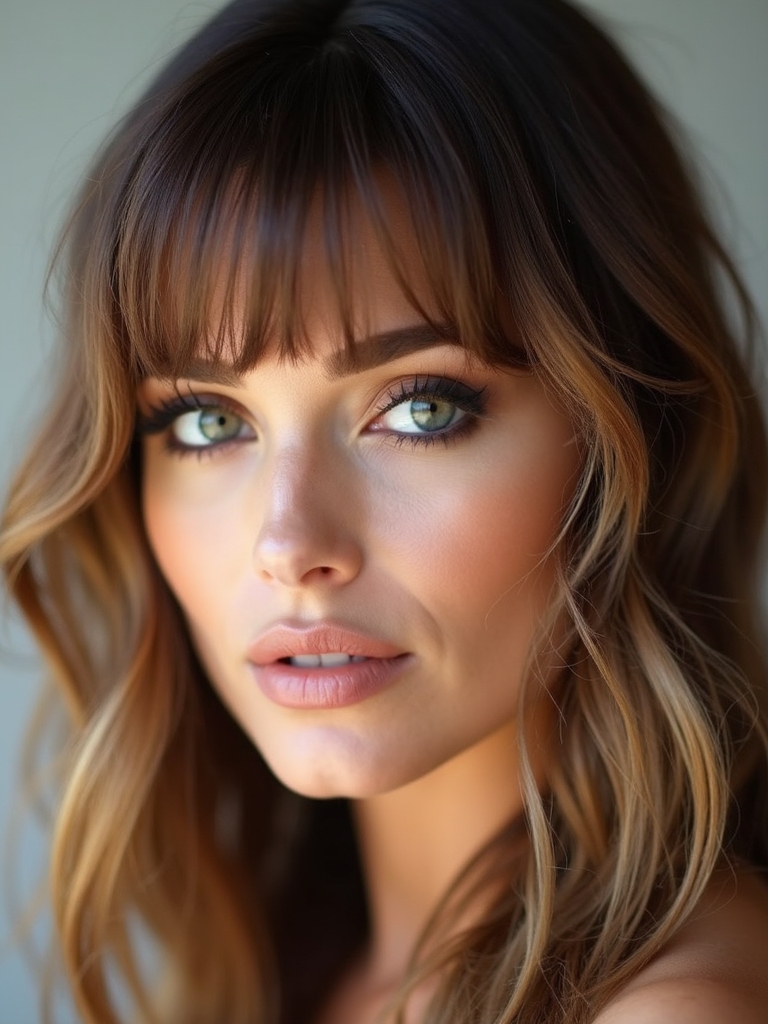
If your hair’s fine, I love how a soft, face-framing curtain fringe can add lightness without weighing you down.
I’ll show how strategic layering boosts the illusion of volume and which cuts work best for thin strands.
Stick around and I’ll give simple styling tips to make your fringe look fuller every day.
Face-Framing Lightness
When I work with fine hair, I always aim for curtain bangs that feel airy and intentional rather than heavy or over-styled.
I carve soft, face-framing pieces that taper gently, letting light peek through.
I keep lengths slightly longer to soften features and recommend minimal texturizing so strands stay light.
The result feels natural, fresh, and effortlessly flattering for delicate hair.
Layering for Volume
Start by thinking of layers as tiny lift agents for curtain fringes — I slice in soft, graduated layers that give fine hair instant body without adding bulk.
I keep lengths around the face slightly shorter to encourage movement, blending into longer pieces so the fringe floats. You’ll get natural lift, airy texture, and a breezy silhouette that feels light and endlessly flattering.
Styling for Thin Strands
Layering gives fine hair lift, but styling is what keeps curtain fringes looking full all day — I’ll show you simple tricks that make thin strands read thicker without weight.
I use root lift spray, gentle backcombing at the crown, and a light mousse through the fringe.
Blow-dry with a round brush, finish with a texturizing mist, and avoid heavy oils that flatten.
Curtain Fringe Options for Thick Hair
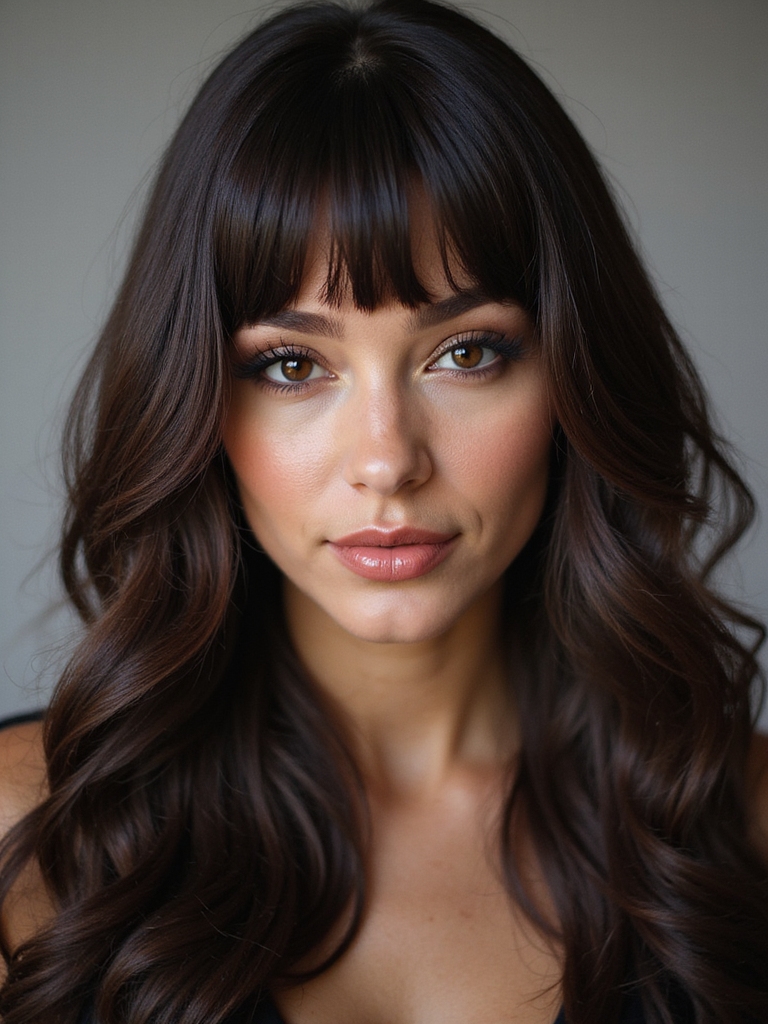
Because I’ve worked with so many thick-haired clients, I’ve seen which curtain fringe cuts actually tame volume without turning into a heavy wall of hair.
I recommend long, layered curtains with tapered ends to lighten the look, strategic texturizing to remove bulk, and slightly longer lengths around the face to drape nicely.
They’re low-maintenance and flattering—trust me, thick hair can look effortlessly chic.
Adapting Curtain Fringe to Curly and Wavy Textures
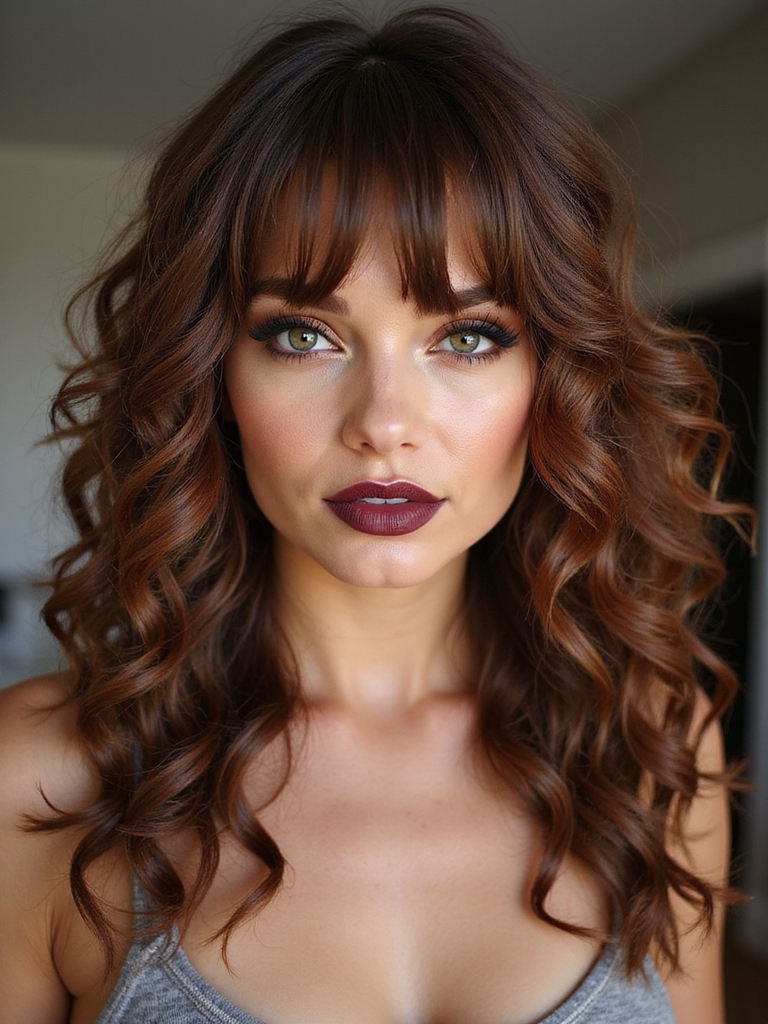
When you’ve got curls or waves, curtain bangs can actually be your best friend if we cut them with your natural pattern in mind—I always check how each curl springs before I snip.
I shape the fringe to enhance bounce, remove bulk strategically, and suggest lightweight products to define texture.
You’ll get soft framing without weighing curls down, and styling stays quick and low-maintenance.
Curtain Fringe Lengths: Short, Medium, and Long
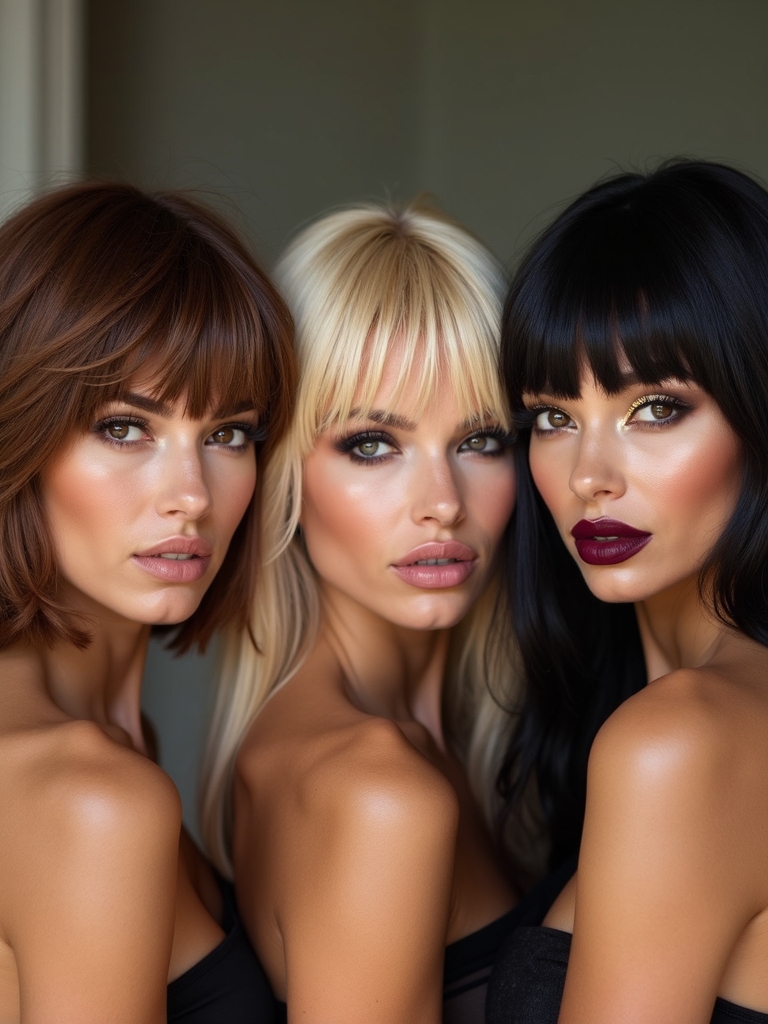
Let’s break down the three main curtain fringe lengths so you can pick the one that actually works for your face shape, hair texture, and lifestyle.
I love short fringes for bold, low-maintenance looks; medium hits around cheekbones, flattering most faces and easy to style; long fringes graze jawline, offering softer framing and more versatility.
Think about upkeep and how often you’ll trim.
Layering and Texturing Techniques for a Soft Finish
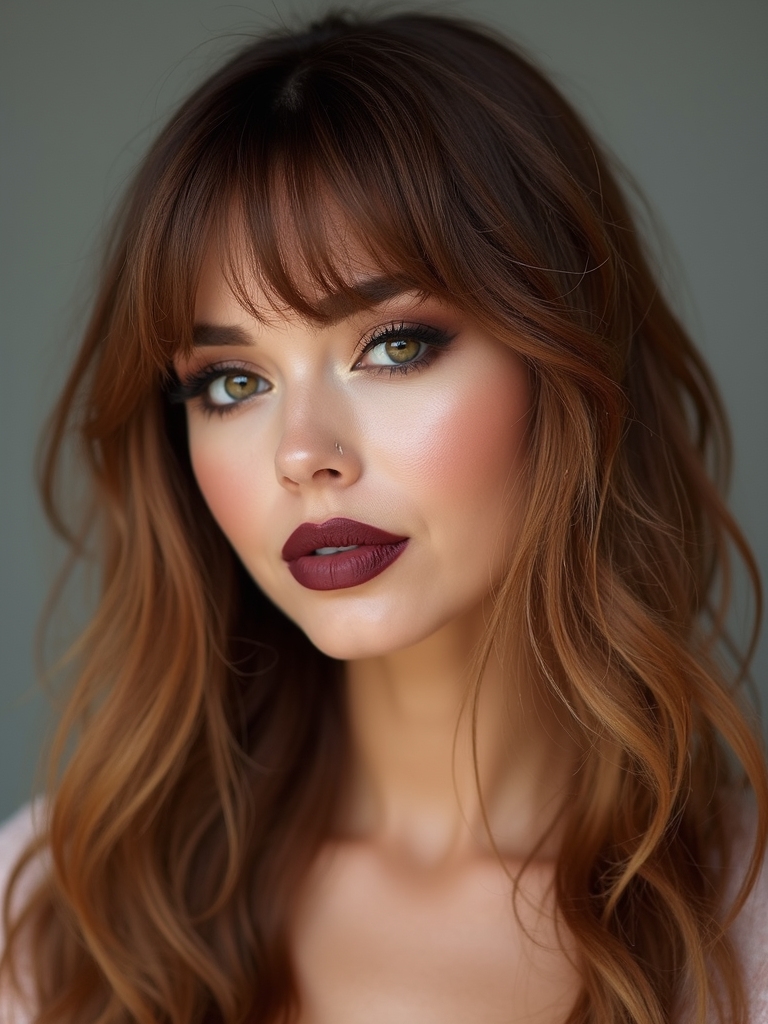
Softening curtain bangs comes down to smart layering and gentle texturing—I’ve found a few go-to moves that keep the fringe airy without losing shape.
I like soft, face-framing layers trimmed into the ends and subtle point-cutting to reduce weight. A light razor or thinning shears work for movement, and minimal texturizing near the roots keeps the look natural and fuss-free.
How to Ask Your Stylist for the Perfect Curtain Fringe
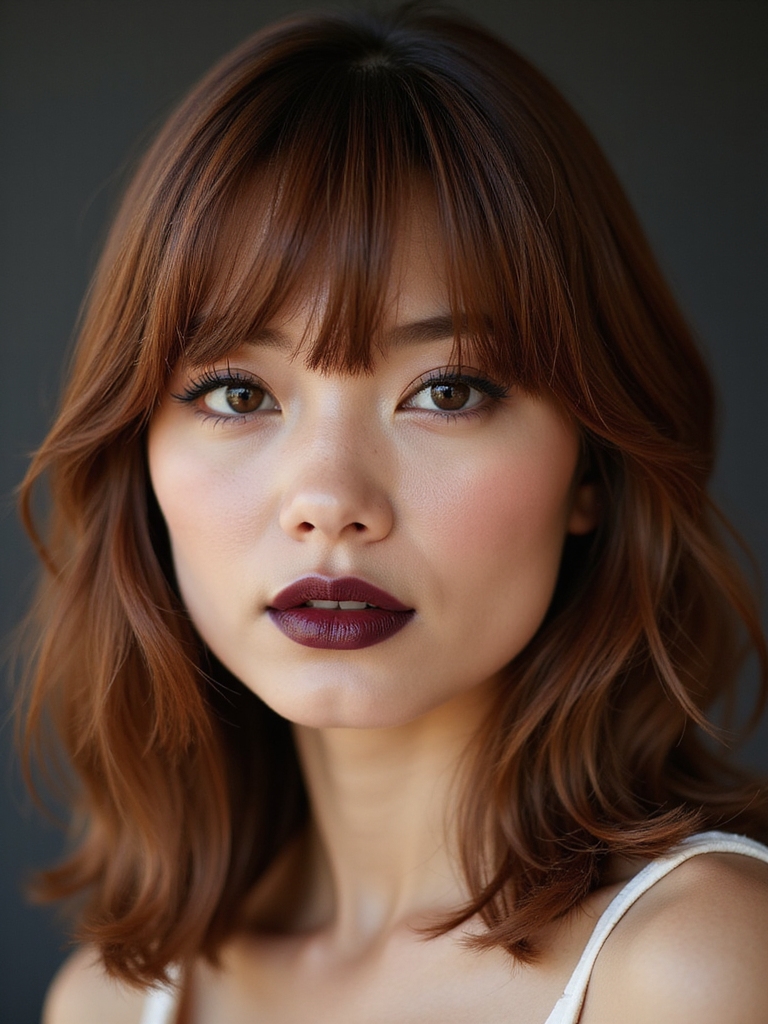
Curious how to get curtain fringe that actually flatters your face? I tell my stylist I want soft, face-framing layers with a center part, showing length that hits cheekbones.
I ask for light texturing at ends, minimal bluntness, and to cut dry for final shaping. I bring photos, mention my hair’s thickness, and confirm maintenance level so we’re both on the same page.
Daily Styling Tips for Airy, Piecey Bangs
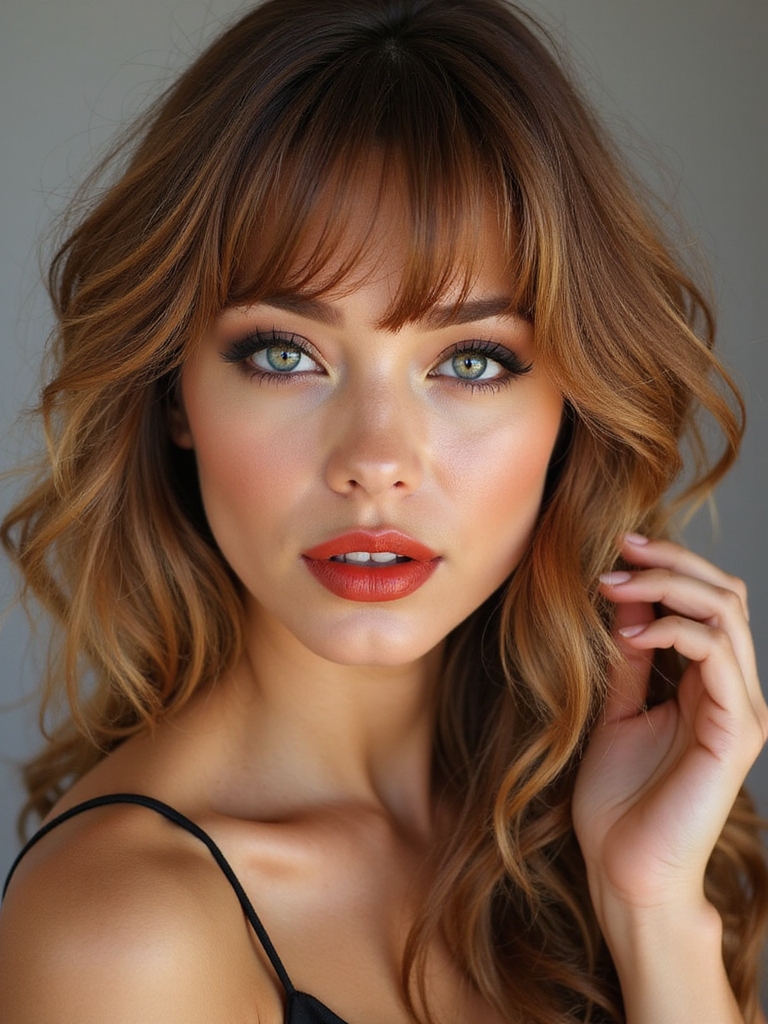
I always start my mornings prepping my fringe with lightweight products so they stay airy without feeling heavy.
A quick blowout with a round brush gives that piecey, swoopy shape, and a few spritzes of dry shampoo keep things fresh between washes.
Stick with those three moves and your curtain bangs will look effortless every day.
Prep With Lightweight Products
Usually I start with lightweight products because heavy formulas flatten fringe curtain bangs fast, and you want movement, not weight.
I spritz a light leave-in detangler, then a tiny amount of airy mousse or foam through the ends. It gives separation without stickiness.
I avoid heavy oils and waxes—save those for ends—so my bangs stay soft, piecey, and easy to style.
Quick Blowout Technique
Grab your round brush and a blow dryer and let’s make those curtain bangs look effortless in minutes.
I section a small triangular front, wrap bangs around the brush, and direct warm air from roots to ends while rotating for gentle lift.
Finish with a cool blast to set the bend.
I tousle with fingers for airy, piecey separation that feels natural all day.
Touch-Up Dry Shampoo
Often I keep a travel-size dry shampoo on hand to revive curtain bangs between washes — it’s the quickest way I get that airy, piecey look back without re-blow-drying.
I spritz roots lightly, massage with fingertips, then shake out and finger-style the ends. It adds texture, reduces oil, and boosts volume fast. Perfect for busy mornings or rejuvenating after workouts.
Heat Tools and Products That Enhance Curtain Fringe
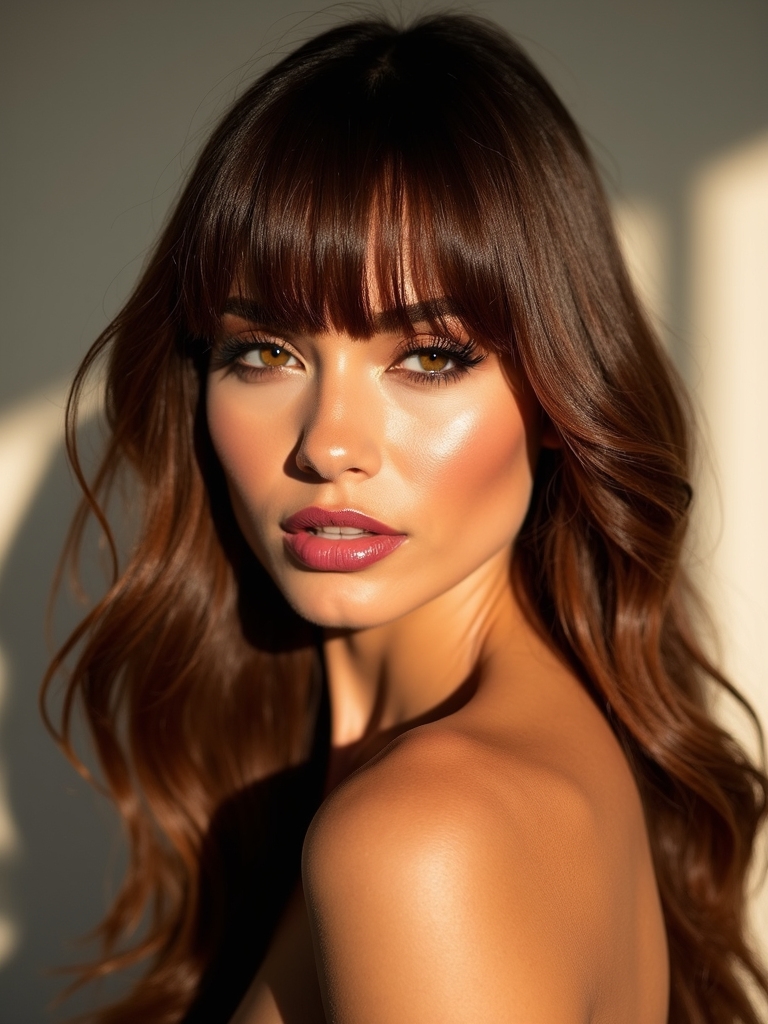
I’m a big fan of using the right heat tools and finishing products to make curtain fringe look effortlessly polished — they smooth frizz, add shape, and make that soft swoop stay put all day.
I use a small round brush with a blow dryer for bend, a flat iron for subtle curve, heat protectant, lightweight serum, and a flexible-hold spray to keep movement without stiffness.
Low-Maintenance Curtain Fringe Routines
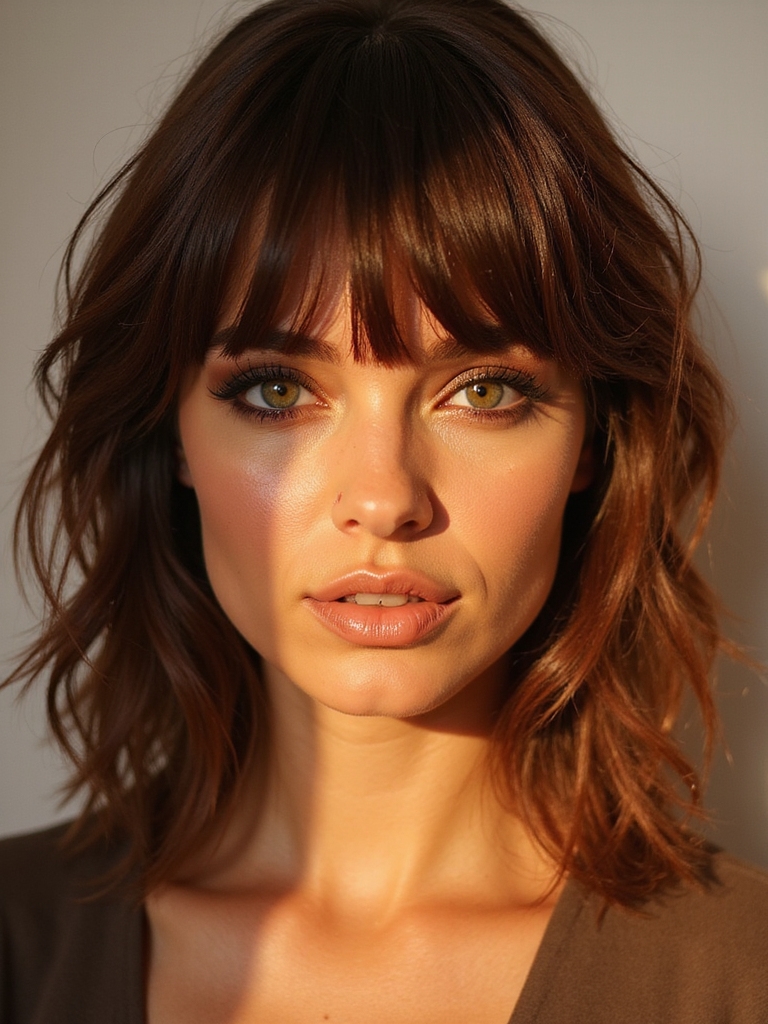
Usually I keep my curtain fringe fuss-free by sticking to a short, repeatable routine that works on busy mornings: a quick towel-dry, a swipe of lightweight leave-in to tame frizz, and a fast round-brush blast with my hairdryer to set the swoop.
- Wake, towel-dry
- Leave-in, comb through
- Quick blow with round brush
- Cool shot to lock
- Light hairspray for hold
Transitioning Out of Curtain Fringe Gracefully
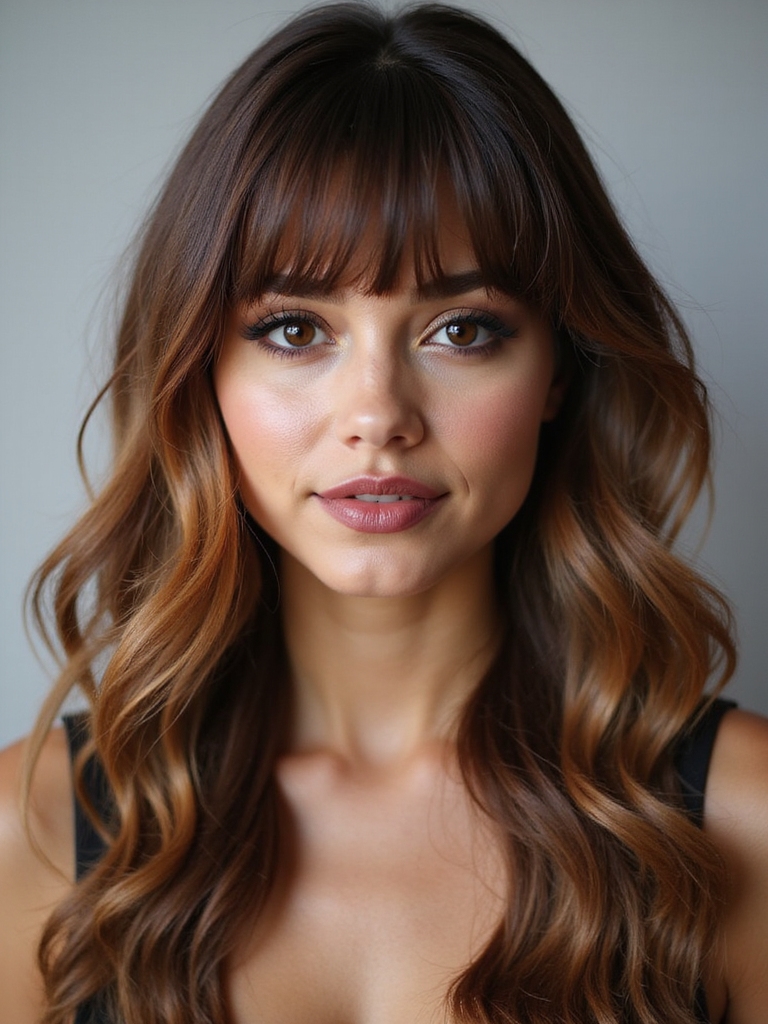
If you’re ready to grow out your curtain fringe, I’ll walk you through a simple gradual lengthening plan that keeps things tidy as your hair gains inches.
I’ll also share quick styling tricks—think soft side sweeps, clips, and texture—to bridge awkward stages without daily drama. Stick with me and we’ll make the grow-out look intentional, not messy.
Gradual Lengthening Plan
While we both love the bounce and face-framing charm of curtain bangs, there’ll come a time when you want them longer or blended into your regular style, and I’ve got a simple plan to get you there without awkward stages.
Follow these steps with patience:
- Trim sparingly every 6–8 weeks
- Let center pieces grow first
- Use clipping to control shape
- Ask stylist for long layers
- Adopt texture to hide length shifts
Styling During Grow-out
Because the grow-out phase is all about patience and smart styling, I focus on small daily tricks that keep my hair looking intentional rather than in-between.
I pin back sections, twist bangs into soft sweeps, and use light mousse for texture. Dry shampoo adds lift on lazy days. Regular trims remove awkward blunt ends, so the progression stays polished and surprisingly chic.
Accessorizing and Styling Curtain Fringe for Different Occasions
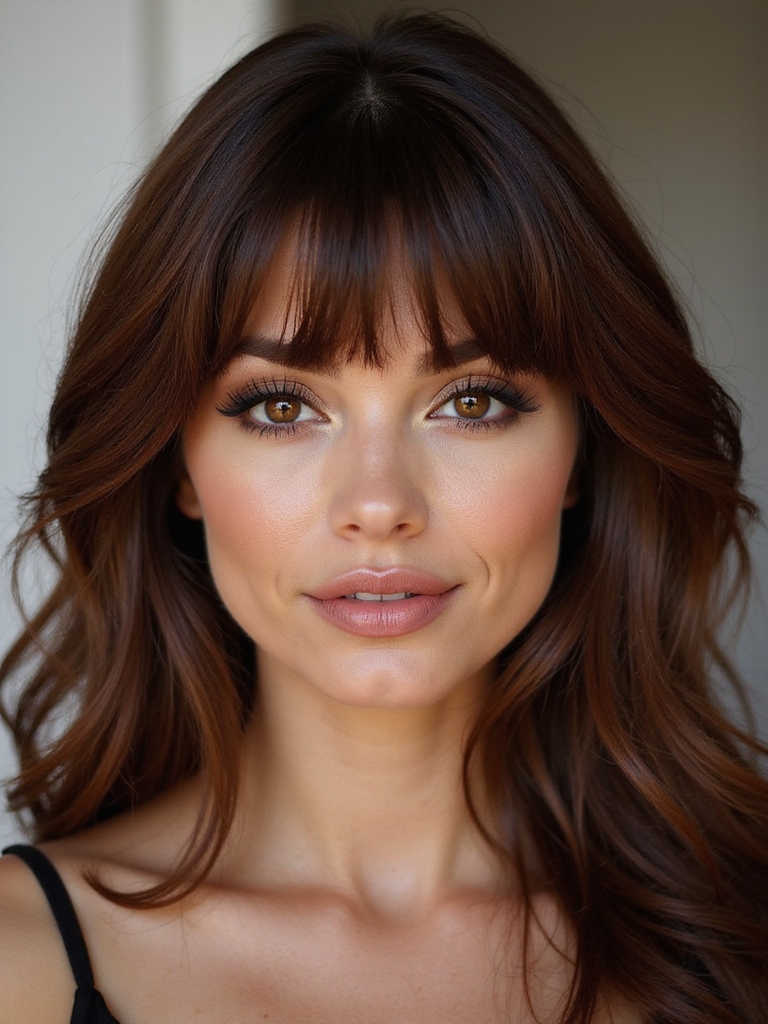
I love mixing up curtain fringe to match whatever I’m doing—day at the office, a weekend brunch, or a night out—because small styling choices can change the whole vibe.
I play with texture, pins, and parting to suit each scene:
- Sleek tuck for meetings
- Soft waves for brunch
- Deep side part for dates
- Tiny barrettes for concerts
- Product-free air-dry for errands
Seasonal Adjustments: Curtain Fringe for Humidity and Cold
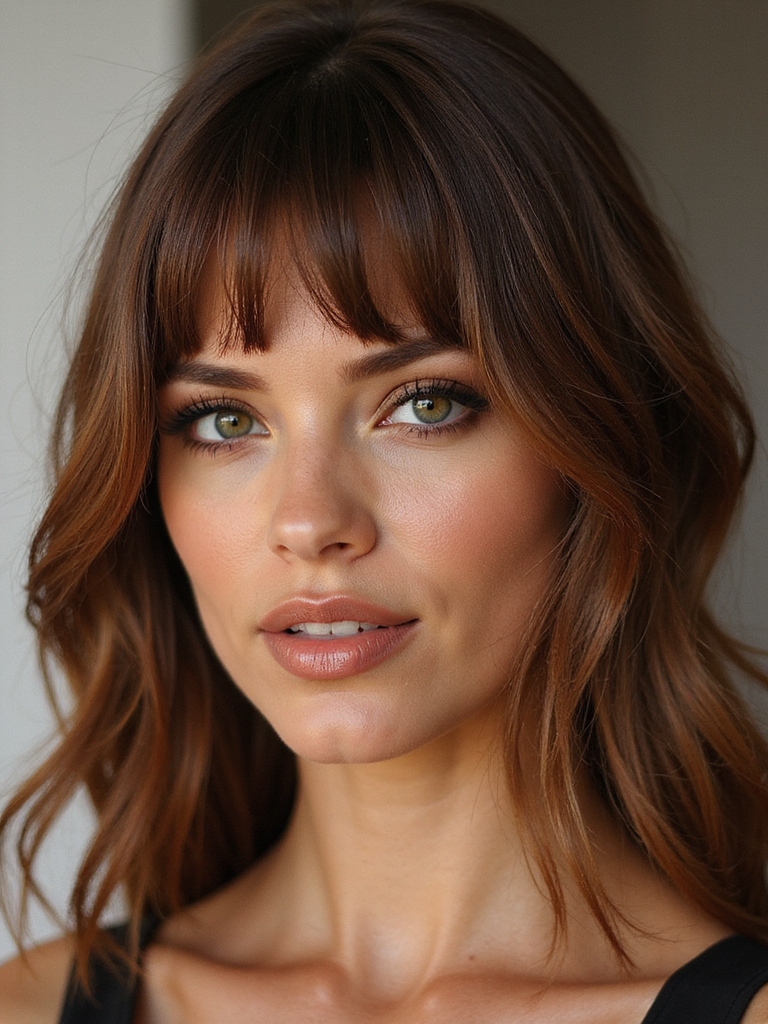
When humidity spikes or temps drop, I tweak my curtain fringe so it actually works with the weather instead of against it.
In humid months I add lightweight layers, use anti-frizz products, and let pieces air-dry to keep shape.
In cold, I deepen moisture with a richer cream, smooth flyaways, and occasionally pin back sections to prevent static while still framing my face.
Inspiring Celebrity and Street-Style Curtain Fringe Looks
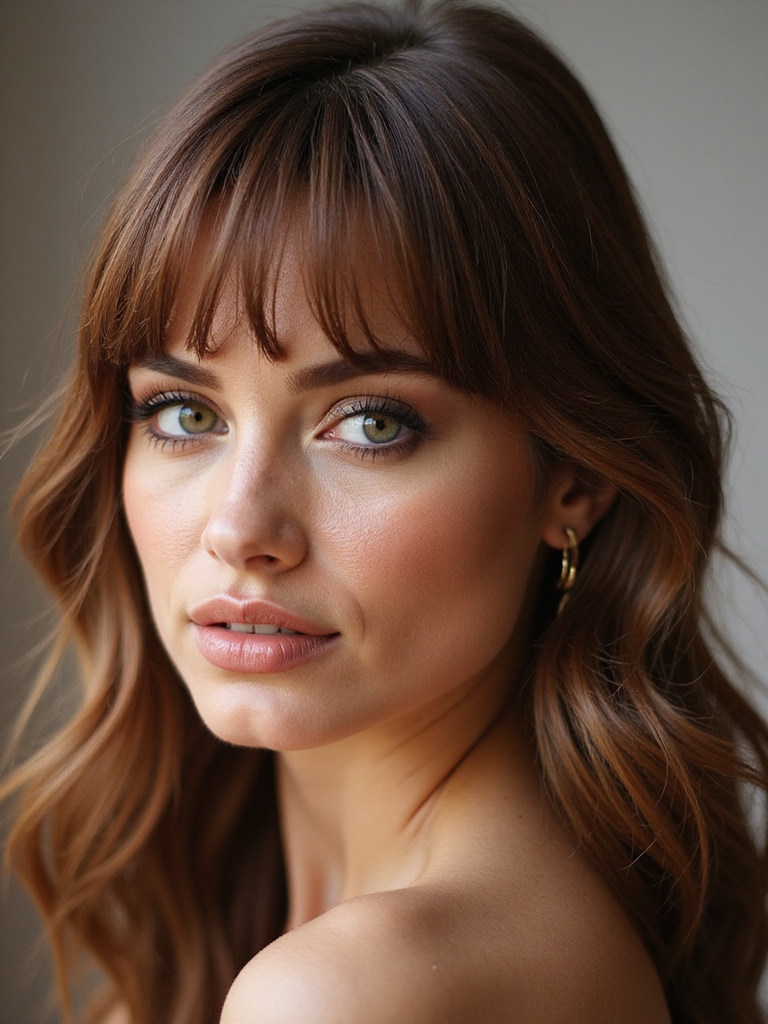
Check out how celebrities and street stylers play with curtain fringe and you’ll see a thousand tiny ways to make it your own. I love spotting tweaks I can copy—soft waves, blunt ends, or airy layers.
Try these looks I adore:
- Sleek, glossy curtain fringe
- Tousled, lived-in waves
- Face-framing layers
- Blunt-edged modern cut
- Soft fade into longer hair
I hope this guide gave you the confidence to try curtain fringe—it’s one of those simple changes that instantly freshens your face and mood. Regardless your hair’s fine, thick, wavy, or curly, there’s a flattering way to shape it, tweak the length, and style it for any season or event.
Play with layers, parting, and a few go-to products, and have fun—your perfect curtain fringe is waiting to frame your best features.


