

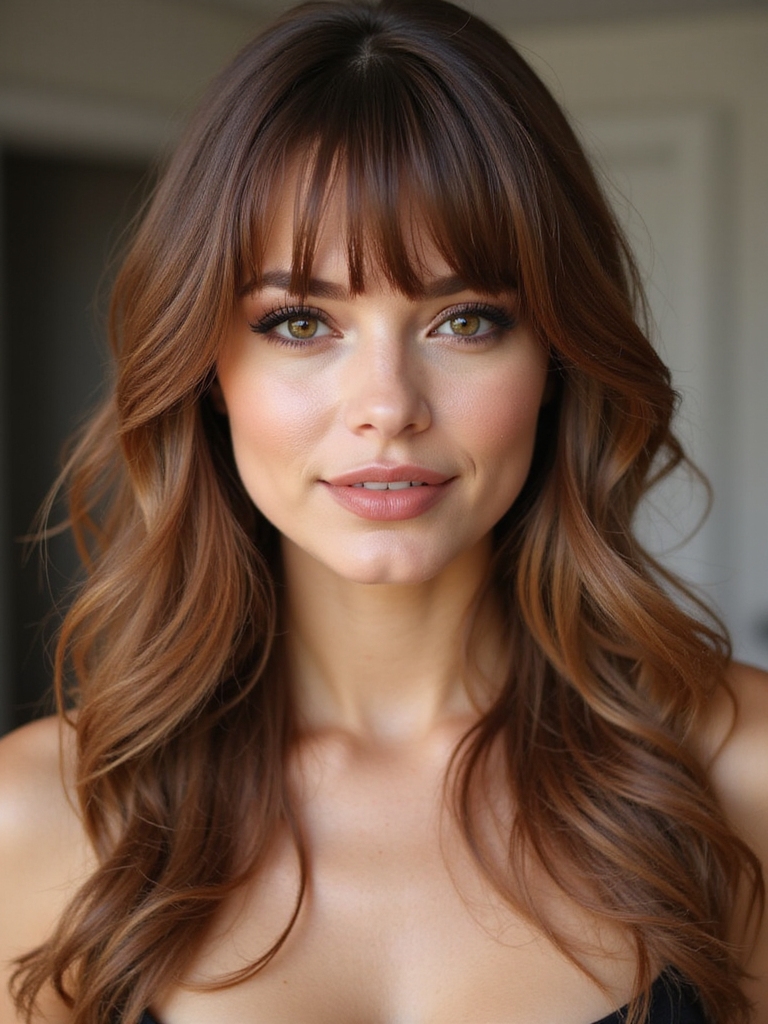
I love how soft layers and curtain bangs team up to give hair that effortless, lived-in vibe—lightweight movement, face-framing swoops, and no-stiff fringe in sight.
I’ll walk you through picking the right layer length for your texture, how to ask your stylist for a seamless blend, and simple styling tricks that actually work, but first let’s figure out if this look will flatter your face shape and lifestyle…
Why Curtain Bangs and Soft Layers Work Together
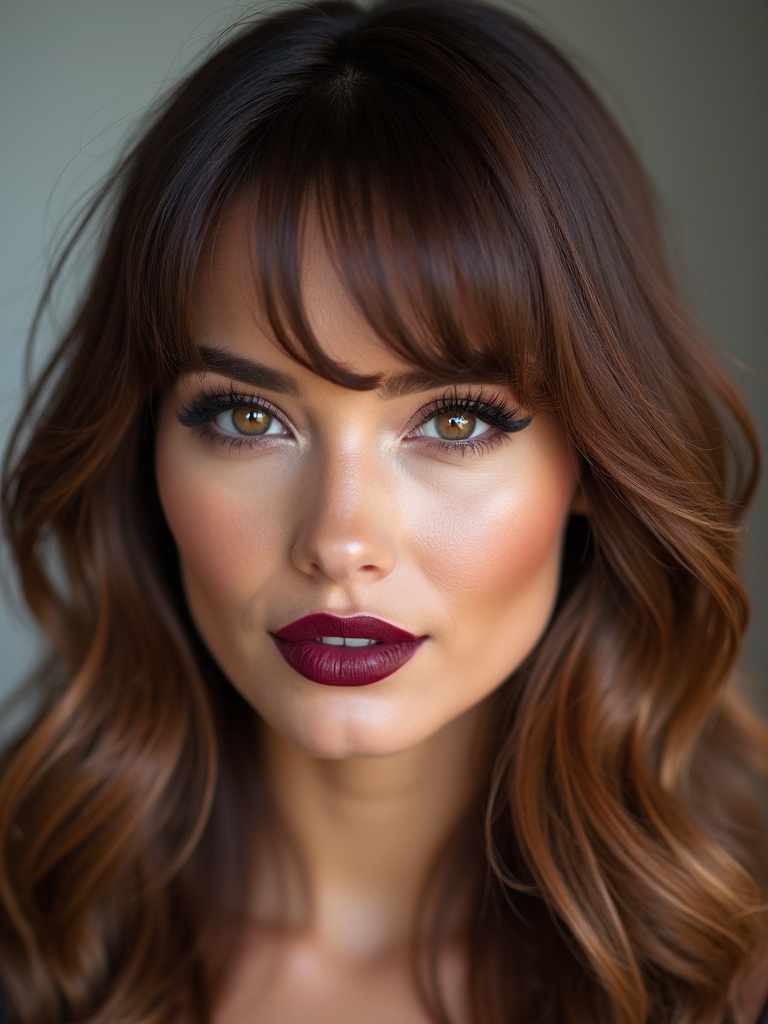
Loving curtain bangs, I’ve noticed they practically beg for soft layers—together they frame the face without feeling stiff, add movement without chaos, and keep your look effortlessly lived-in.
I love how layers lighten the bangs’ weight so they swoop naturally, blend into longer lengths, and give daily texture with minimal effort. It’s an easy, flattering combo that feels instantly relaxed.
Layered curtain bangs are especially versatile for every face shape, making them a go-to style for many.
Choosing the Right Layer Length for Your Hair Type
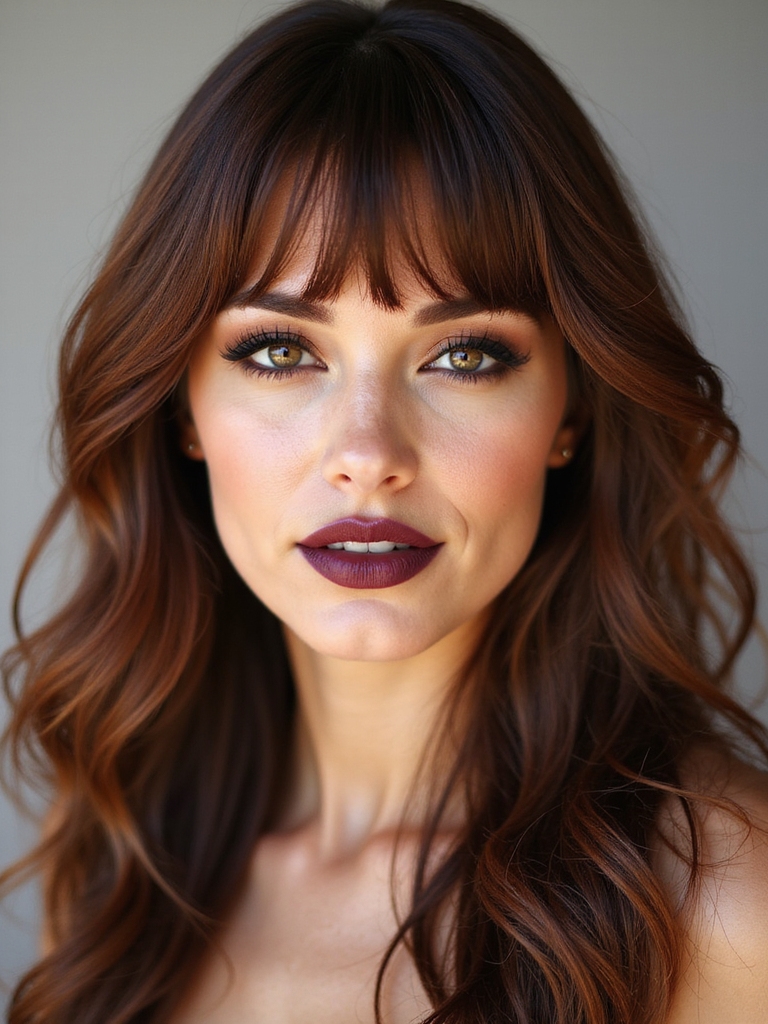
Because everyone’s hair behaves differently, I like to start by matching layer length to your hair’s natural density and texture — that way the cut works with you, not against you.
For fine hair I suggest longer, subtle layers to add movement without thinning; thick hair loves shorter, chunkier layers to reduce bulk.
Curly hair needs blended, longer layers to avoid triangular shapes and frizz.
An effortless layered cut with soft curtain bangs helps these layers frame the face and blend seamlessly with the rest of the hair, especially when tailored to layered haircut and curtain bang techniques.
Face Shapes That Benefit Most From Curtain Bangs

Once you’ve picked layer lengths that play nicely with your hair’s density, the next thing I look at is your face shape — it really tells you how curtain bangs will sit and frame everything.
I love recommending them for oval, heart, and long faces — they soften angles, balance proportions, and add width where needed. Round faces get a lengthening effect; square faces soften nicely.
Curtain bangs are especially versatile for creating natural movement and soft framing around the face.
How to Ask Your Stylist for a Flattering Cut
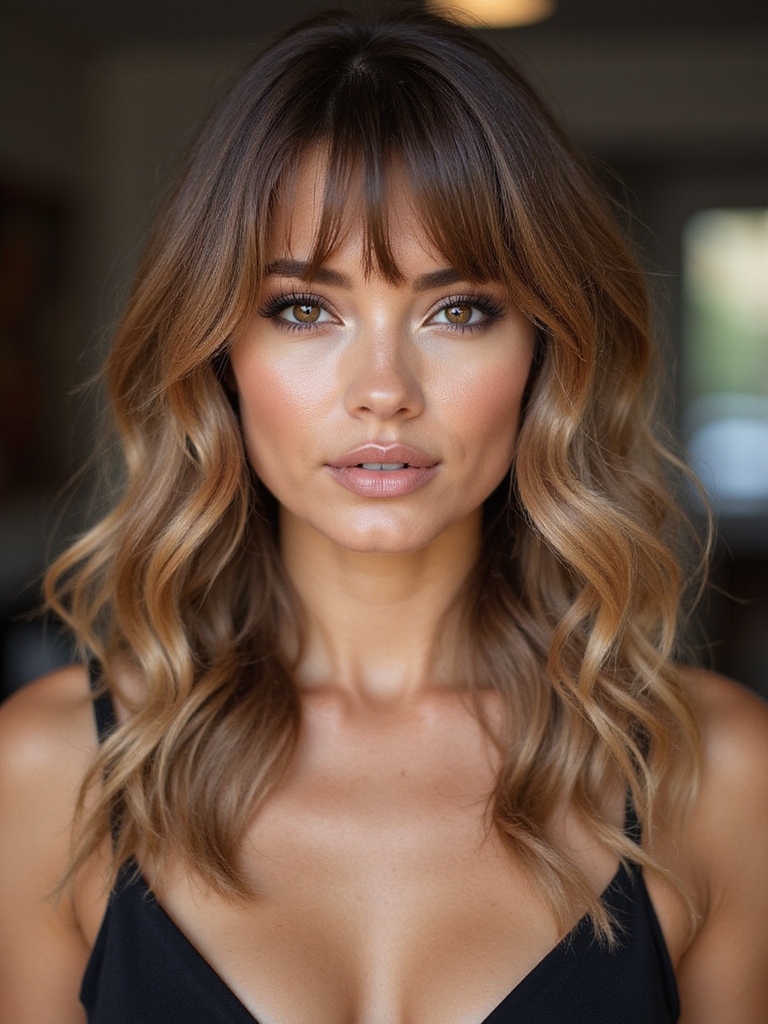
If you want curtain bangs that actually work for your life, tell your stylist exactly what you need and show — don’t just tell — photos of the shape you like; I always bring two pictures: one of the overall vibe and one close-up of the parting and length.
I say my daily routine, hair texture, and how much maintenance I’ll tolerate so we nail a flattering, real-life cut.
Curtain bangs sit beautifully with soft layers that add movement and help them flow naturally.
Cutting Techniques for Seamless, Feathered Layers

Now that you and your stylist are on the same page about shape and upkeep, let me walk you through the cutting moves that give curtain bangs that airy, feathered finish.
I ask for point-cutting to soften edges, slide-cutting for seamless weight removal, and careful face-framing layers that blend into the rest.
We test with natural fall, trimming tiny amounts until it flutters just right.
This technique works beautifully on a Long Bob with curtain bangs when aiming for effortless movement and balance.
Styling Tools and Products That Enhance Movement
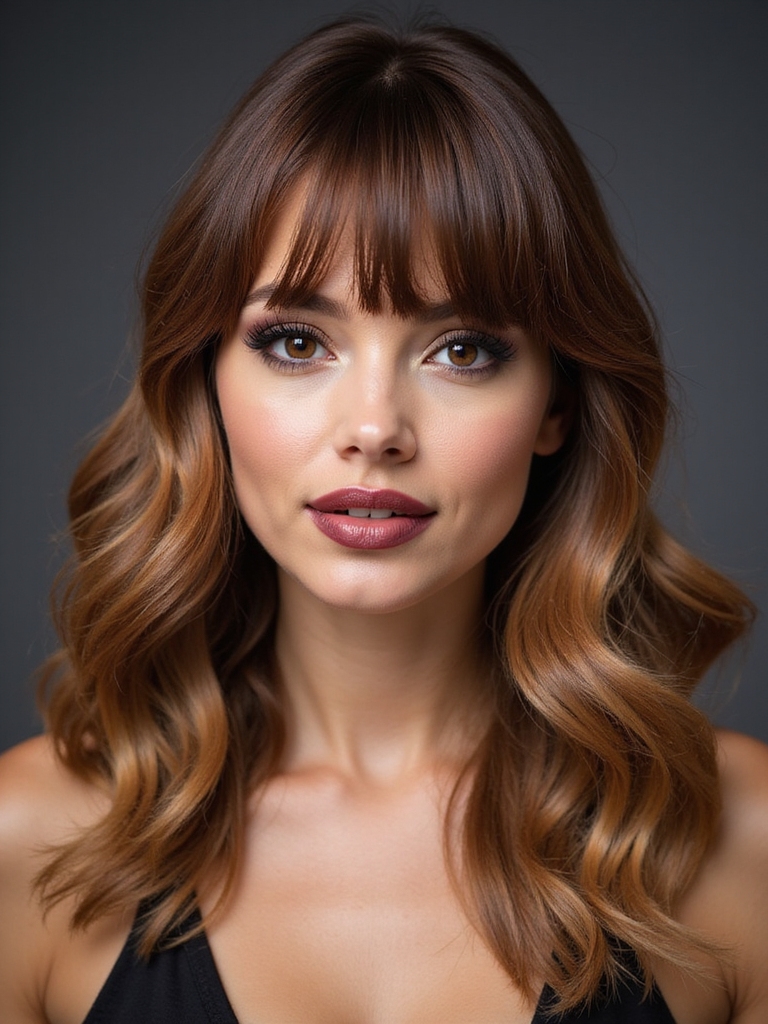
I love reaching for a heat protectant spray first — it keeps my curtain bangs glossy and damage-free when I use hot tools.
Then a lightweight styling cream adds soft hold without weighing the hair down, so the layers can flutter naturally.
For finishing, a wide-barrel round brush is my go-to for creating that effortless bend and boost at the roots.
Heat Protectant Sprays
When I’m grabbing my curling iron or flat iron to shape curtain bangs, I always spritz a lightweight heat protectant spray first — it cuts down on frizz, shields delicate strands from damage, and keeps movement soft instead of stiff.
I tell readers to mist evenly, avoid heavy buildup at roots, and reapply before hotter tools. It’s a tiny ritual with big, bouncy payoff.
Lightweight Styling Creams
Reach for a pea-sized dab of lightweight styling cream and you’ll see how it makes curtain bangs sing without weighing them down.
I rub it between my fingers, smooth through roots to ends, and shape that soft part. It tames frizz, boosts bend, and keeps movement natural all day. Use sparingly — you want airy swing, not limp bangs.
Wide-Barrel Round Brush
A wide-barrel round brush is my go-to for coaxing curtain bangs into that soft, face-framing swoop—they give me lift at the roots and a gentle bend through the length without overworking the hair.
I use it to shape, smooth, and play.
Try these simple steps:
- Root lift
- Mid-length bend
- Soft ends
Quick Everyday Styling Routines for Busy Mornings

Usually I grab my brush and a few product favorites and get to work — no drama, no marathon — because busy mornings don’t need complicated routines.
I smooth curtain bangs with a quick blow-dry, finger-comb the layers, and mist a light hold spray. Ten minutes, tops.
I tweak any flyaways, tuck pieces behind ears, and head out feeling polished and playful without fuss.
Heatless Methods to Boost Natural Texture and Volume

Often I skip heat and still get great shape by using simple tricks that boost my curtain bangs’ natural texture and lift.
I play with bends, volume, and hold without hairdryers. Try these quick favorites:
- Twist damp bangs into loose knots overnight.
- Use a small clip at the root for lift while drying naturally.
- Finish with sea salt spray and scrunch for airy texture.
Caring for Curtain Bangs: Washing and Drying Tips
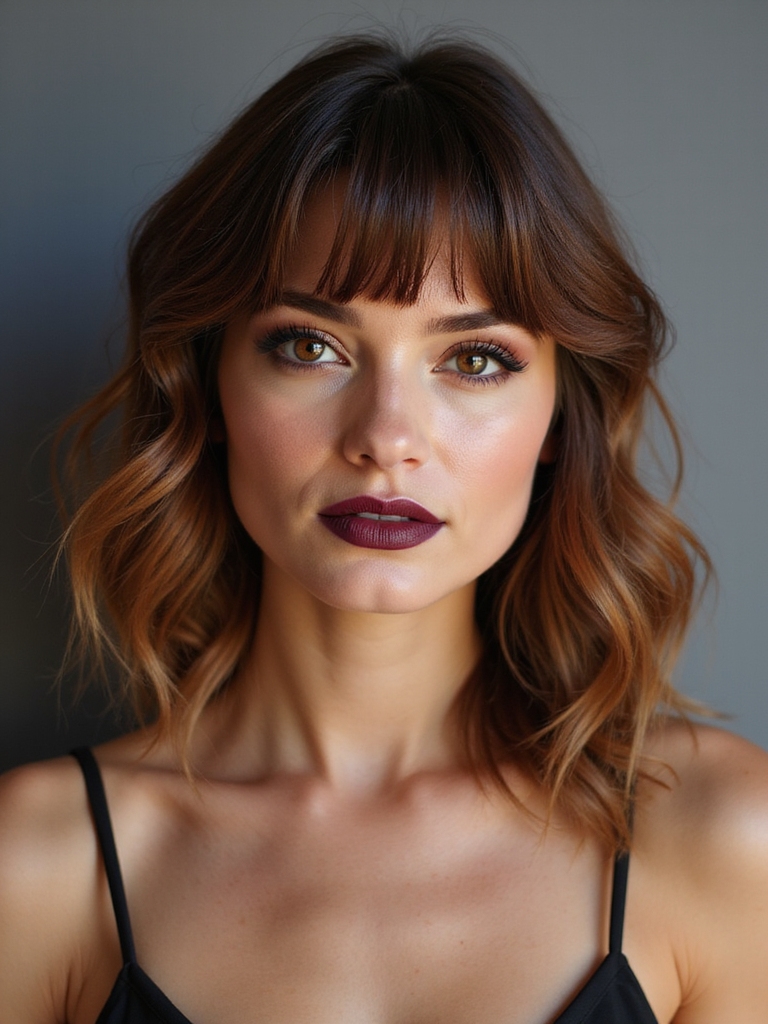
Washing curtain bangs the right way keeps their shape and makes styling much faster, so I treat them like a mini-haircare ritual.
I shampoo gently, rinse downward, and skip heavy conditioner near roots.
I blot with a towel, then blow-dry with a round brush, directing hair away from my face.
A quick cool shot locks the bend and adds shine.
Trimming and Maintenance Schedules to Keep Shape

I stick to a trim schedule—usually every 6–8 weeks—to keep my curtain bangs shaped and bouncy.
I’ll show you simple at-home touch-ups for those in-between snags so you don’t need a salon panic.
Plus I’ll share quick styling tricks to freshen the look between cuts.
Trim Frequency Guidelines
Usually I tell clients that keeping curtain bangs looking fresh comes down to a simple trim rhythm, and I’ll walk you through what that looks like for different hair types and lifestyles.
I recommend:
- Every 4–6 weeks for fine, fast-growing bangs.
- Every 6–8 weeks for medium textures.
- Every 8–12 weeks for thick or slow-growing hair.
Stick to what fits your routine and style.
At-Home Touch-Ups
Grab a small pair of sharp haircutting scissors and let’s make your curtain bangs work for you between salon visits. I trim tiny snips every 3–4 weeks to keep the shape, focusing on the center and long face-framing pieces.
Use a mirror, dry hair, and pull strands gently. If unsure, remove less—subtle trims beat big mistakes and keep layers flowing.
Styling Between Cuts
Often I sneak in quick styling sessions between cuts to keep my curtain bangs looking intentional, not ragged.
I trim stray hairs, train the part, and refresh texture—little rituals that save salon time.
Try this short routine:
- Snip micro-ends every 4–6 weeks.
- Blow-part and set weekly.
- Refresh with dry shampoo as needed.
It’s simple, fast, satisfying.
Adapting the Look for Curly and Coily Hair

While curtain bangs were born for straight and wavy hair, I’ll show you how to make them sing on curly and coily textures too—without forcing your hair into a shape it hates.
I suggest layered cutting that respects curl pattern, drying with a diffuser or plopping, and trimming dry to avoid surprises.
Welcome shrinkage, define curls with lightweight cream, and let bangs breathe.
Long, Medium, and Short Length Variations
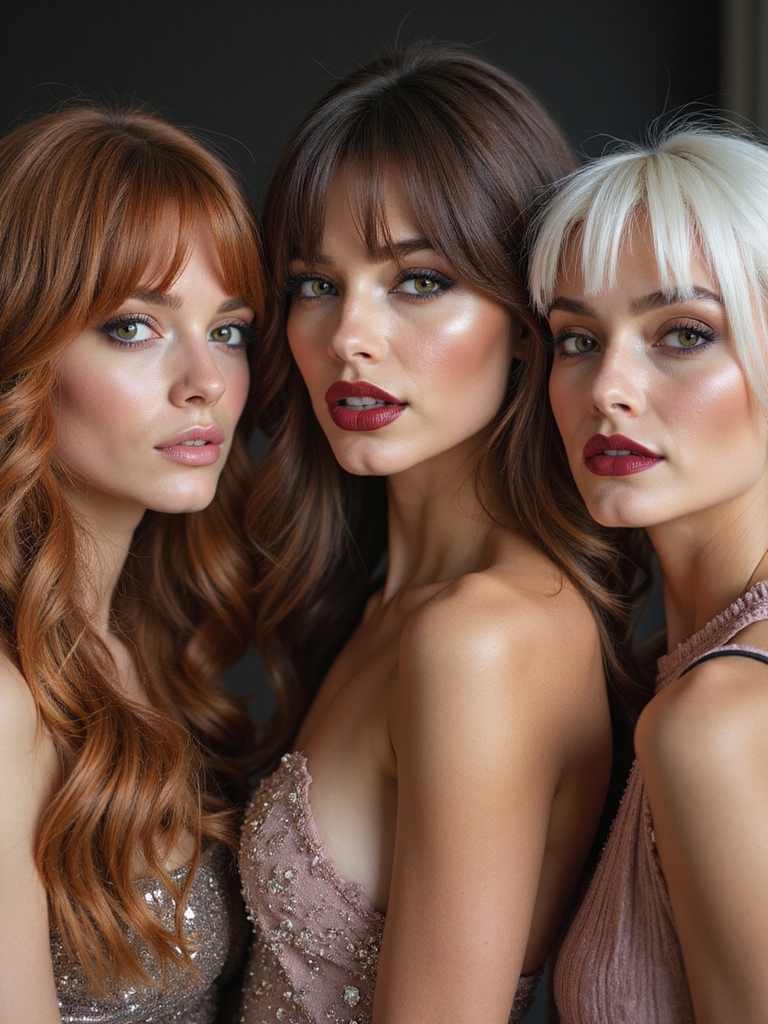
I’m excited to walk you through how layering changes the vibe of curtain bangs at long, medium, and short lengths.
I’ll share quick, practical styling tips for each length so you can pick what suits your face shape and daily routine.
Stick with me and we’ll make the perfect length feel totally doable.
Layering for Each Length
When you’re choosing curtain bangs, I always think about how layering changes the whole vibe—whether you’ve got long, medium, or short hair. I tailor layers to face shape and movement so bangs blend seamlessly.
Consider:
- Long: soft, continued layers for sway.
- Medium: choppy mids for bounce.
- Short: subtle graduation to avoid heaviness.
I keep it effortless and fun.
Styling Tips by Length
If you want your curtain bangs to look intentional (not like a haircut mishap), I’ll walk you through quick styling moves for long, medium, and short lengths so you know exactly what to do each morning.
For long hair, blow-dry bangs with a round brush, smoothing into face-framing layers.
Medium needs a quick twist with a flat iron.
Short bangs benefit from a texturizing paste and finger-styling.
Color Ideas That Complement Layered Curtain Bangs
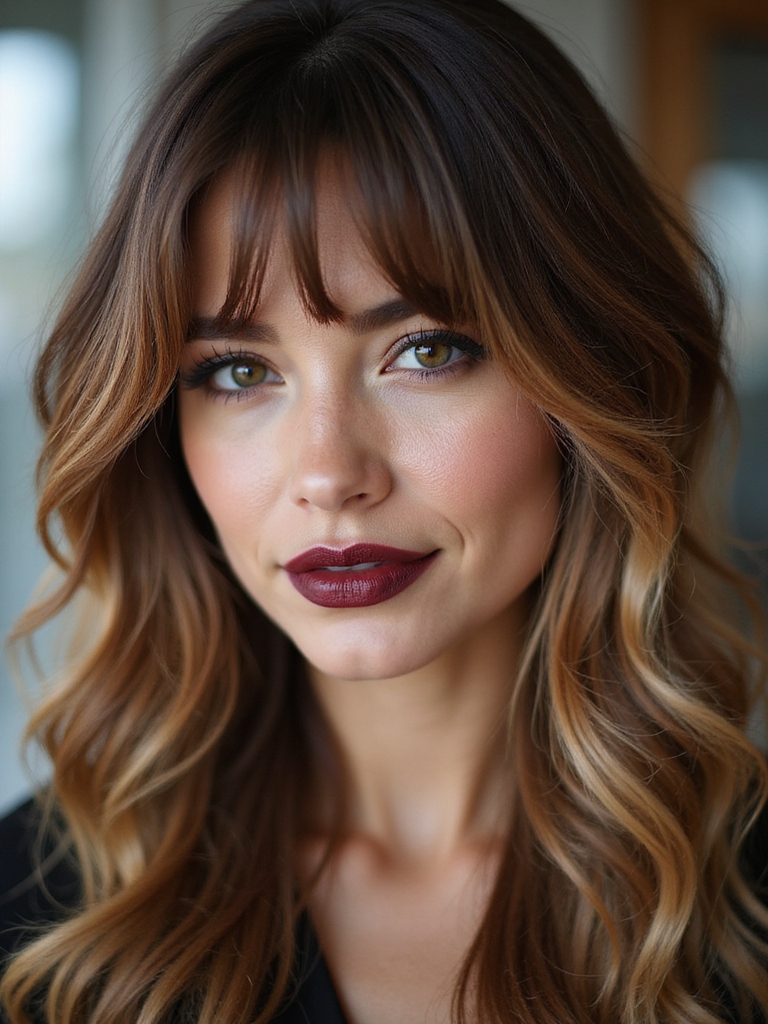
For a look that really pops with layered curtain bangs, I love playing with color contrasts and subtle dimension—think soft balayage ribbons or a bold money piece that frames the face.
I’ll keep it playful and practical:
- Face-framing highlights for brightness.
- Soft lowlights to add depth.
- A pastel tip or peekaboo streak for fun flair.
Transitioning From a Different Bang Style to Curtains

Although switching up your bangs can feel a little scary, I promise curtain bangs are one of the easiest, most forgiving styles to grow into — and I’ll walk you through the simple steps to get there without awkward stages.
I switched from blunt bangs by softening the center, trimming long face-framing pieces, and letting length and layers blend.
Patience, a good stylist, and dry-texture styling helped.
Seasonal Adjustments: Styling for Humidity and Cold
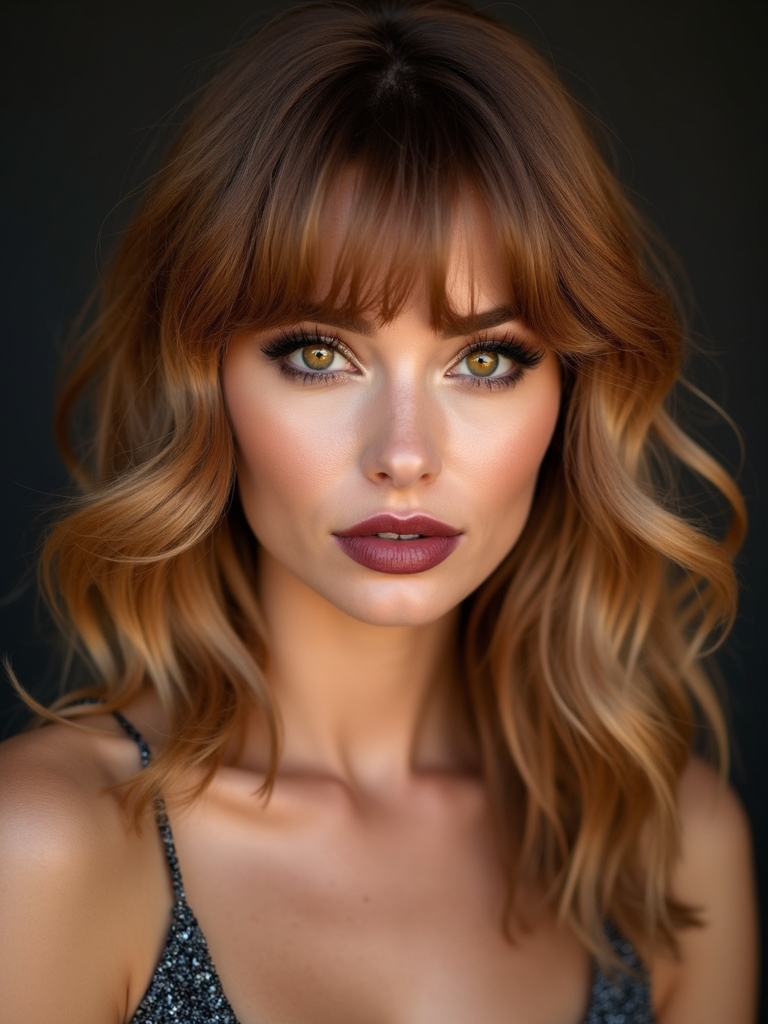
When humidity or cold rolls in, I tweak my curtain bangs routine so they behave instead of turning into a drama scene; I’ll show you quick swaps that actually work.
I switch products and tools depending on weather and mood:
- Anti-frizz serum for humid days.
- Lightweight cream and diffuser in damp cold.
- Dry shampoo to revive shape between washes.
I’m totally here for the effortless vibe of soft layers with curtain bangs — they frame the face, add movement, and make styling feel like less of a chore. Pick layer lengths that suit your hair density and face shape, ask your stylist for feathered, face-framing pieces, and tweak products seasonally for humidity or dryness.
Try subtle color pops to boost dimension, and don’t be afraid to shift slowly if you’re shifting bang styles — it’s fun to experiment.


