


I’ve spent years perfecting curly frontals so your hairline looks like it grew that way, not glued on. I’ll walk you through choosing the right lace, subtle plucking, and baby-hair tricks that actually flatter your face.
I keep things practical—no gimmicks—so you’ll get believable roots and bouncy curls that sit right. Stick around and I’ll show you the small details that make a big difference.
Choosing the Right Lace and Hair Density for Natural Hairlines

If you want your curly frontal to look like it’s growing right from your scalp, start by picking the right lace and hair density — believe me, it’s a game changer.
I favor HD or Swiss lace for invisibility and lighter densities (120–150%) for realistic fullness. Too thick looks wiggy; too thin lacks bounce. Match density to your natural hairline and face shape for seamless results.
Consider trying different parting styles to showcase your curls and the lace deep curly for a more natural finish.
Preparing Your Scalp and Edges Before Wig Application

Before I glue on a curly frontal I always give my scalp a good cleanse and gentle exfoliation so there’s no gunk under the lace.
Then I lay and trim my edges carefully—too much snipping and you’ll regret it, too little and the hairline looks fake.
Finally I lock in moisture and shield the hairline with a light oil or barrier cream so my natural hair stays happy under the wig.
I also choose flattering curl patterns and densities to ensure the wig blends naturally with my own hair curly wig styles and suits the occasion.
Cleanse and Exfoliate Scalp
I usually start by thoroughly cleansing and gently exfoliating my scalp so my edges sit smooth and my wig grips better; think of it as giving your roots a fresh canvas.
I keep it simple, quick, and effective.
- Shampoo with a gentle, sulfate-free cleanser.
- Massage with a soft brush to lift flakes.
- Rinse thoroughly to remove residue.
- Pat dry, never rub.
Curly styles often benefit from techniques that protect natural texture while creating seamless looks, especially when using curly hairstyles as inspiration.
Lay and Trim Edges
Let’s get your edges looking sharp and natural—I’ll trim any stray baby hairs and lay them down so the wig blends seamlessly with your hairline.
I gently snip uneven bits, shape a soft, flattering curve, and use a light touch to avoid over-cutting.
Then I smooth edges with a fine-tooth comb and a tiny bit of styling product for a polished, realistic finish.
Elegant wig updo ideas often start with a well-prepared hairline, especially when creating flawless frontal blends for curly frontal wigs.
Moisturize and Protect Hairline
Because a healthy scalp gives your wig the best foundation, I always start by moisturizing and protecting my hairline so the wig sits comfortably and looks natural.
I keep it simple, quick, and effective:
- Cleanse gently with a sulfate-free wash.
- Apply lightweight oil to edges.
- Use a barrier cream on exposed skin.
- Wrap with a silk scarf for ten minutes.
For bridesmaids looking for cohesive styling, consider coordinating updo textures to complement the wig for a polished bridal party look with bridesmaid updo hairstyles.
Properly Plucking the Hairline for a Soft, Realistic Look
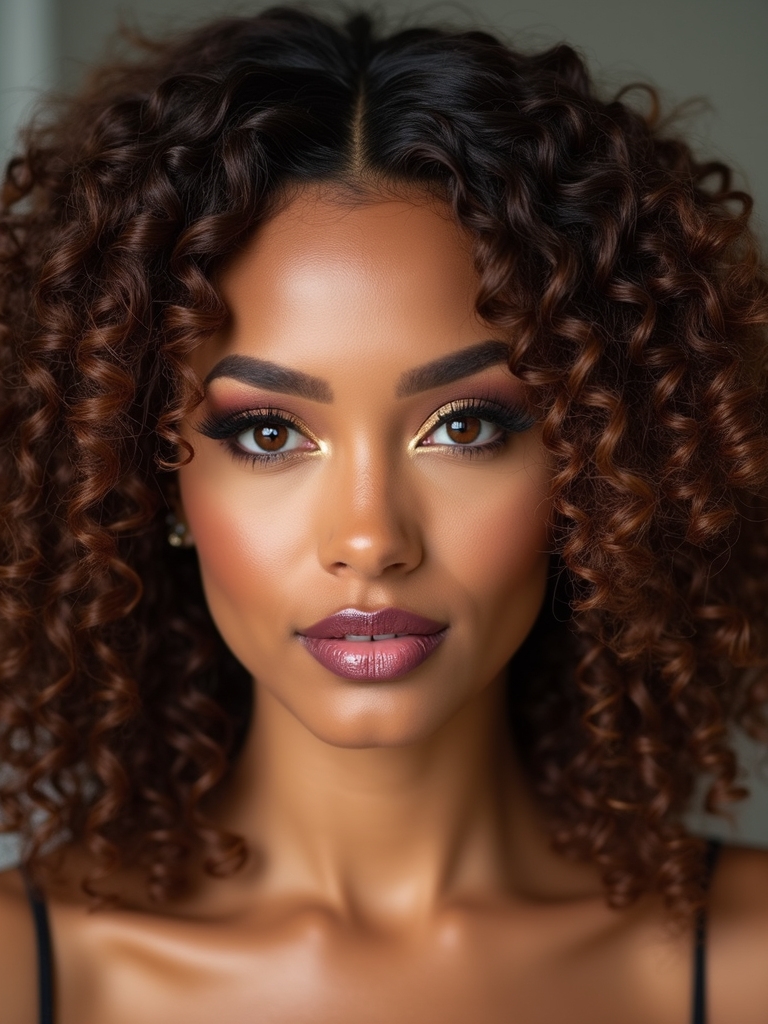
Okay, first I map my natural hairline so the wig matches my shape instead of looking like a helmet.
Then I use small, precise tweezer strokes to thin—not butcher—the lace for a soft, believable edge.
Finally, I blend in a few baby hairs to seal the illusion and keep things looking effortlessly real.
Map Natural Hairline
When I map a natural hairline, I treat it like sketching a portrait—small, deliberate strokes make all the difference.
I outline where baby hairs sit, note asymmetry, and plan sparse zones for realism.
Then I:
- Mark temple fade points
- Define widow’s peak area
- Map forehead curve
- Note cowlick directions
This blueprint guides precise, believable styling.
Use Proper Tweezer Technique
If I’m honest, plucking the hairline is part science, part art — and mostly about patience; grab good tweezers, sit in natural light, and don’t rush.
I gently remove a few hairs at a time, working in tiny sections, angling pulls to mimic natural growth.
I avoid over-thinning, step back often, and stop when the line looks soft, not sparse.
Blend With Baby Hairs
Once you’ve softened the hairline with careful plucking, I like to finish the look by creating baby hairs that actually read as natural instead of staged. I tease tiny sections, trim sparingly, and use gel sparingly so curls breathe.
Try this simple routine:
- Isolate thin strands.
- Trim in tiny snips.
- Lay with light gel.
- Comb with toothbrush.
Styling Baby Hairs to Frame Your Face Naturally

Because baby hairs can make or break the whole frontal look, I like to treat them like tiny accessories—carefully placed, not overworked.
I use a soft toothbrush and lightweight gel, swooping a few strands to echo my cheekbones.
Less is better: subtle curves, not tiny sculptures.
That natural hint softens my face, frames features, and keeps the wig looking fresh without screaming “effort.”
Creating a Defined Middle Part With a Curly Frontal

How do you make a middle part look intentional instead of like you just split your hair with a ruler?
I’ll show you quick, real tricks I use to make a curly frontal read polished and natural.
- Wet and rake curls into the part.
- Use a fine-tooth tail comb for precision.
- Apply light gel at the root.
- Clip until dry for a crisp line.
Side Part Techniques for Flattering Asymmetry
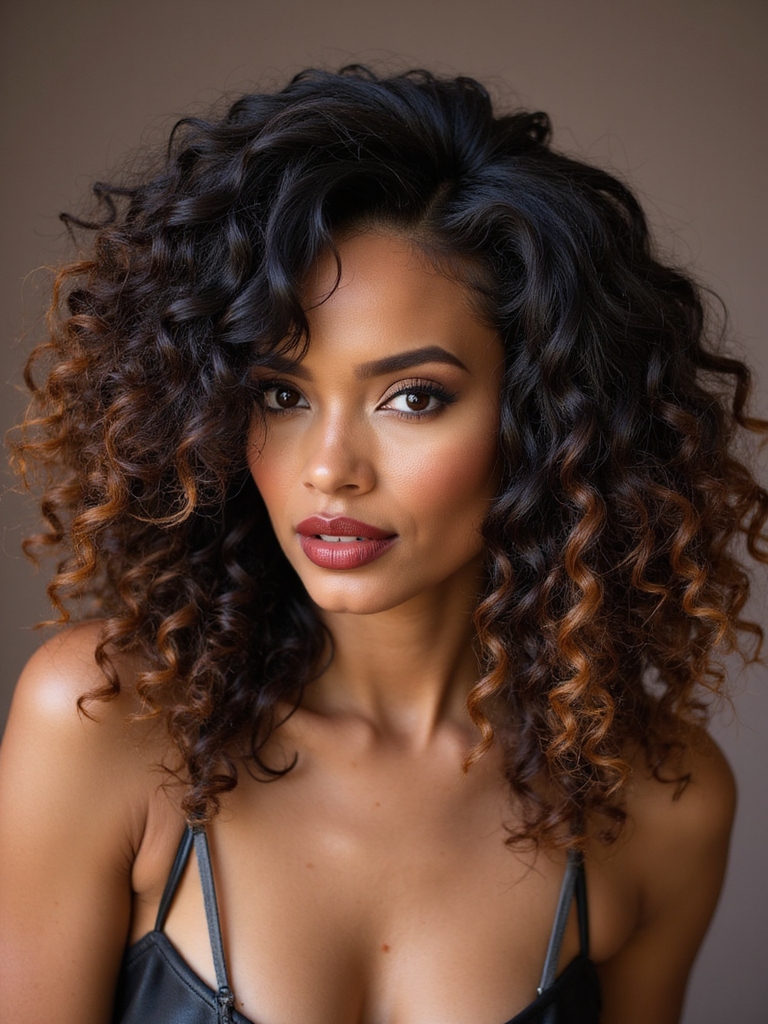
I love using a side part to create flattering asymmetry—it’s an easy trick to make a curly frontal look effortlessly natural.
I’ll show you how to craft a believable part, balance face-framing curls, and keep that shape locked in all day.
Stick with me and you’ll get a polished, lived-in look without any fuss.
Natural-Looking Parting
When I want a quick lift without fussing with clips, a side part does the trick—it instantly gives curly frontals asymmetry and a natural flow that flatters the face.
- Loosen roots for softness.
- Finger-comb the part for imperfection.
- Use a little mousse to define curls.
- Tuck one side behind the ear for effortless polish.
Face-Framing Balance
If you want to make a side part do more than just sit pretty, I’ll show you how to use it to balance your face and highlight your best features; a slightly off-center part can soften a strong jaw, slim a rounder face, or add height where you need it.
I’ll show cheekbone-flattering sweep, volume placement, and quick tweaks so asymmetry looks intentional, not accidental.
Secure Part Maintenance
Because a side part can make or break that flattering asymmetry, I always treat it like a tiny architecture project—secure the foundation and the whole look holds.
I use simple tricks to keep it tidy, natural, and flattering.
- Pin at scalp with invisible clips.
- Light gel along part for hold.
- Blend lace with powder.
- Refresh with steam, not water.
Blending the Lace With Skin Using Adhesives and Tints

Although it looks fiddly at first, I’ll show you how adhesives and tints make lace practically disappear so your frontal reads like real skin.
I prep clean, oil-free skin, apply a thin adhesive layer, let tack, then press lace down.
A dab of tint or foundation along the part blends edges.
Peel gently when ready—no drama, just seamless hairlines.
Heat Styling and Setting Curly Frontals Without Damage

When I heat-style a curly frontal, I treat it like a delicate instrument rather than a blunt tool—gentle, precise, and with respect for the curl pattern.
I’ll share my go-to safe steps that keep bounce and life intact.
- Low heat, quick passes.
- Heat protectant on each section.
- Use a diffuser or steam setter.
- Cool and set curls before styling.
Layering and Cutting Curly Frontals for Dimension

If you want your curly frontal to actually move instead of just sitting there like a helmet, layering and precise cutting are the secret ingredients I always reach for.
I trim smart face-framing pieces, add staggered layers to avoid bulk, and snip ends dry to see natural spring.
The result? Bounce, shape, and a lived-in look that flatters your face without effort.
Securing Your Frontal Wig for Long-Lasting Wear

Alright, let’s talk about how to keep that curly frontal sitting pretty: I always start by properly prepping my scalp so there’s a clean, dry canvas.
Then I pick a strong adhesive that matches my skin and activity level — not all glues are created equal.
Finally, I reinforce the edges nightly to protect the hairline and extend wear, because a little bedtime upkeep saves big headaches.
Properly Prepping Your Scalp
Prepping my scalp right makes the difference between a wig that looks fresh all week and one that slides off by Tuesday—so I treat it like a mini ritual. I cleanse, exfoliate, and soothe so my skin’s calm and dry before I lay anything down.
Simple steps, big payoff:
- Cleanse gently
- Exfoliate lightly
- Tone or mist
- Moisturize sparingly
Choosing Strong Adhesive
I hunt for adhesives the way I hunt for shoes on sale—practical, a little picky, and dead set on something that lasts.
I pick water- or solvent-based glues depending on my scalp sensitivity, test a tiny patch, and favor flexible hold that moves with curls.
Good adhesives resist sweat, peel cleanly, and keep my frontal snug without wrecking skin or lace.
Reinforcing Edges Nightly
Usually I finish my wig routine by reinforcing the edges—think of it as tucking in the perimeter so my frontal survives pillow battles and humid commutes.
I do quick nightly rituals to keep glue fresh and edges neat, because lazy sleepers still want perfect hairlines.
- Clean edges gently
- Apply thin adhesive layer
- Smooth with microfiber wrap
- Sleep on a silk scarf
Refreshing and Defining Curls Between Washes

Often I reach for a few simple tricks to bring my curls back to life between washes, because nobody wants limp, sad ringlets halfway through the week.
I mist with a water-conditioner spray, scrunch in a tiny bit of leave-in cream, and define stray coils with a finger-twist.
A light oil finishes shine without weighing, and my frontal still looks fresh.
Accessorizing Curly Frontals to Enhance the Hairline

When my curls are behaving, I love to play up the hairline with a little personality — headbands, scarves, and clips can make a frontal sing without a full restyle.
I pick accessories that flatter my face and hide any glue lines.
Here’s what I reach for:
- Thin silk scarf
- Wide fabric headband
- Decorative bobby clips
- Snap hair clips
Transitioning From Sew-In to Glue-In Frontal Methods

If I’m switching from a sew-in to a glue-in frontal, I treat it like swapping out a cozy sweater for a sleek jacket—same vibe, different fit.
I clean my hairline, measure the lace, and test adhesive on a tiny patch.
I go slow, press edges gently, and trim lace carefully.
Removal’s gentler now—solvent, patience, and no panic.
Troubleshooting Common Hairline Problems With Curly Frontals
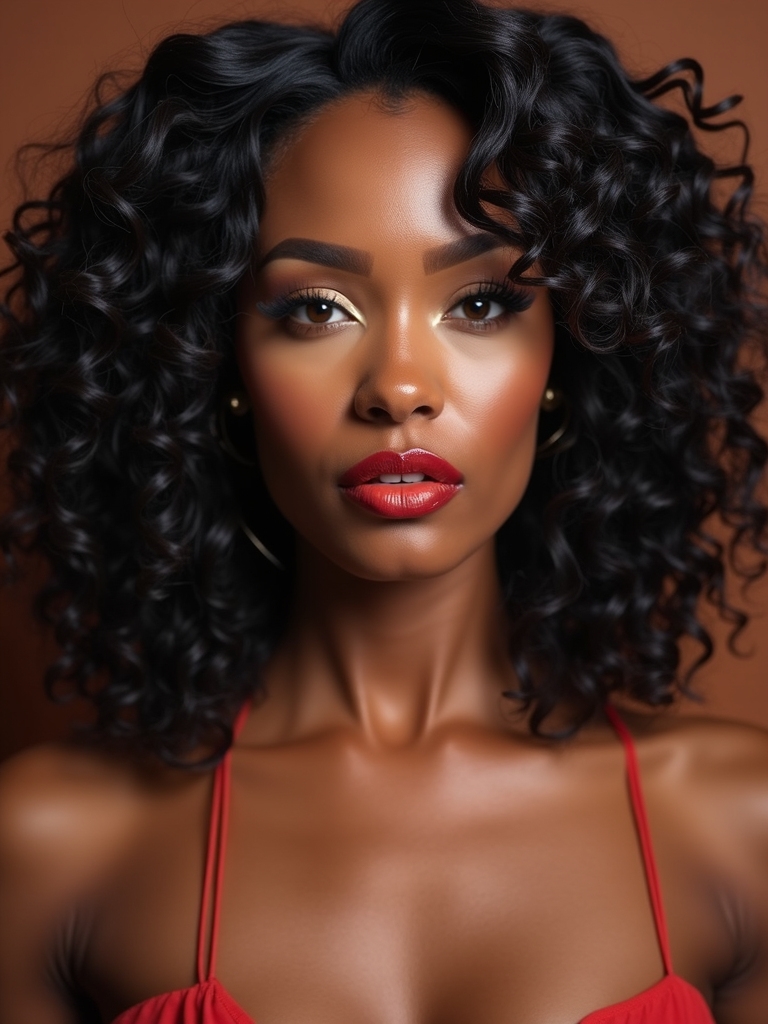
Since a curly frontal sits right at the finish line of your look, I pay extra attention to the hairline—it’s where things either read natural or scream “wig.”
I watch for common troublemakers: lace that’s too dark or too light, baby hairs that look pasted on, curls puffing out at the front, or adhesive showing through.
- Tint lace subtly
- Trim and blend baby hairs
- Soften front curls
- Conceal adhesive neatly
Maintaining the Lace and Hairline Over Time
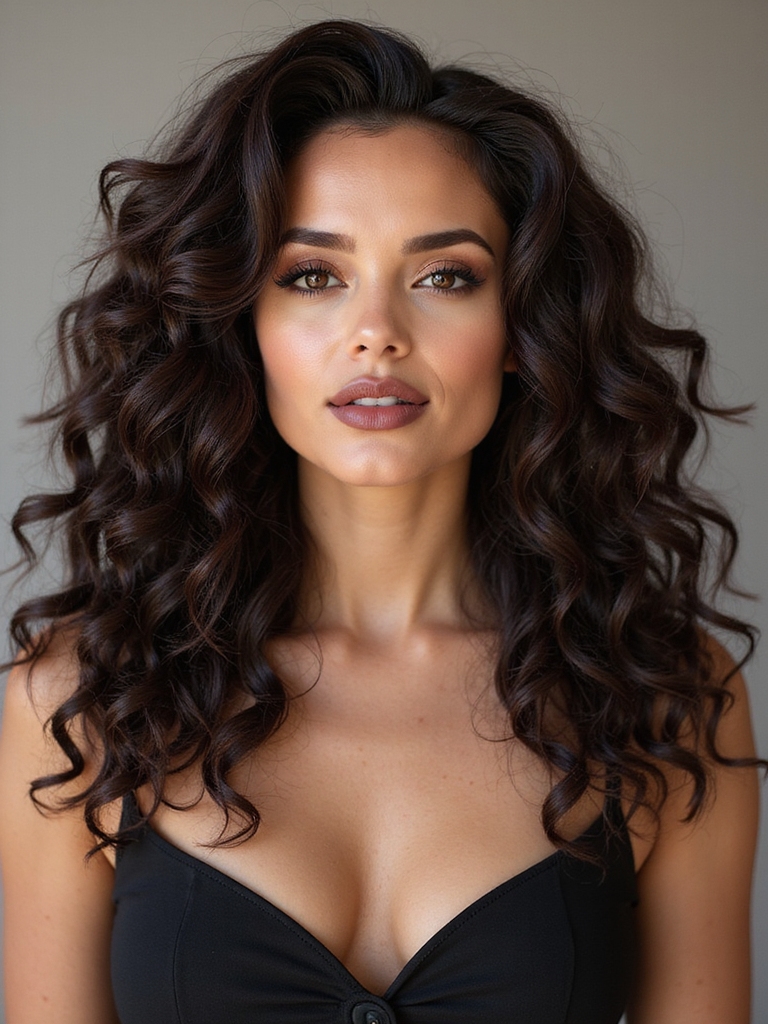
Although I love a flawless hairline, I know upkeep’s the real secret—so I treat lace maintenance like skincare: consistent, gentle, and intentional.
I clean glue residue with alcohol-free remover, detangle curls softly, and protect edges at night with a silk scarf. I avoid heavy products that gum the lace, trim stray hairs carefully, and refresh adhesive only when the skin’s happy.
So that’s the tea: pick the right lace, prep your scalp, and don’t be afraid to pluck and baby the hairline — literally. I’ve found subtle tweaks (tinting the part, soft baby hairs, light adhesive) make the biggest difference.
Treat your curls gently, wrap them to preserve bounce, and switch methods when your scalp or routine needs it. Follow these steps and your frontal will sit so real you’ll forget it’s a wig.


