


I’ve curated chic, low-tension spring protective styles that keep your hair healthy and camera-ready—think knotless and medium box braids for soft, breathable length, faux or crochet locs for texture and movement, and flat-twist or cornrow updos to protect edges with instant polish.
I recommend two-strand twists and short protective cuts for easy daily wear and sports-friendly looks, plus scarves and satin wraps to seal moisture. Keep styles loose, check edges often, and keep going to learn styling and care tips.
Quick Guide: Pick a Spring Protective Style
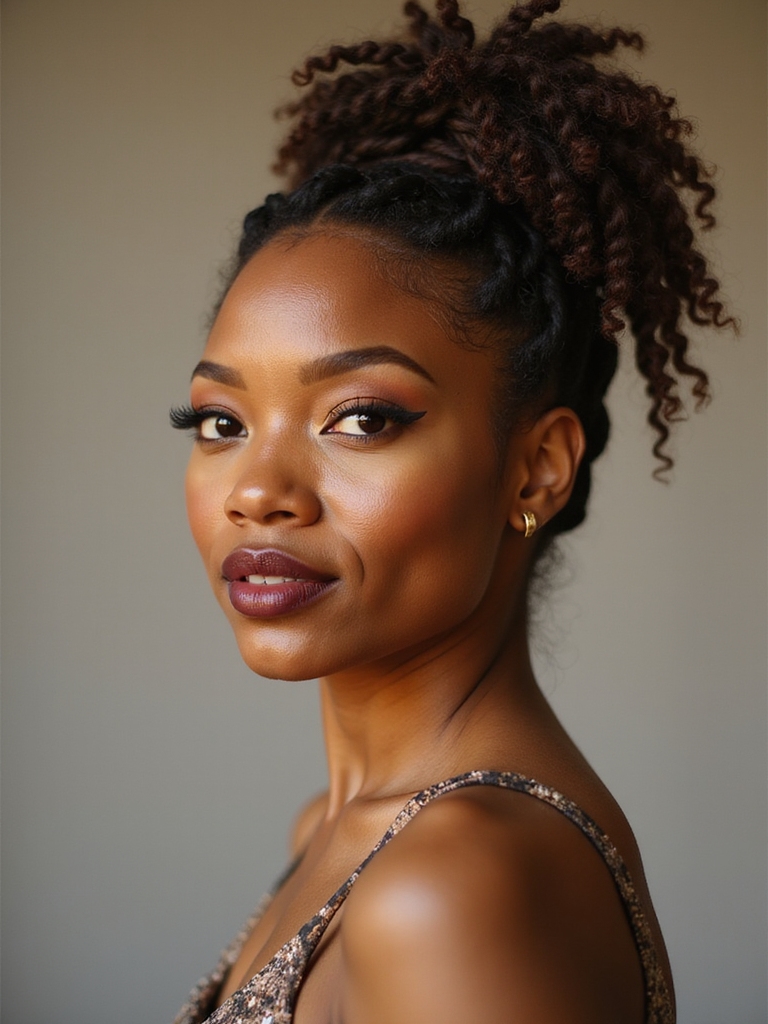
Spring’s here — let’s freshen up your look with a protective style that’s both chic and low-maintenance. I’ll help you choose: consider braid sizes, parting patterns, and edge control for a sleek finish.
Pick lengths that suit your lifestyle and breathable textures for comfort. Opt for styles you can refresh easily so your hair stays healthy and your vibe stays effortlessly glamorous.
Medium knotless braids are a great option for a natural, low-tension look that works well for everyday wear and longer-term protection, especially when paired with Effortless Knotless Braids for a light, breathable finish.
Prep Hair Before Installing Styles

Before I install any protective style, I always start by deep-cleaning and clarifying so product buildup won’t sabotage the look.
Then I trim away split ends and finish by thoroughly moisturizing and sealing—those three steps are nonnegotiable for a sleek, long-lasting result.
Stick with this prep and your style will lay beautifully while your hair stays healthy.
Natural Hair Braids are a versatile option for protective styling and can help retain length when cared for properly with proper maintenance.
Deep Cleanse And Clarify
Cleansing my hair thoroughly before installing a protective style is nonnegotiable—I want a fresh, product-free foundation that lets braids, twists, or wigs sit securely and look polished.
I clarifying-shampoo twice, follow with a gentle scalp scrub, and rinse with cool water to seal cuticles.
Then I apply a lightweight, hydrating mask—only enough to nourish without weighing hair down—before drying and styling.
Protective styles like braids, twists, and wigs help reduce daily manipulation and promote hair strength when installed and cared for properly.
Trim And Remove Split Ends
After I rinse and nourish, I take a pair of sharp shears and trim away split ends so my protective style starts on healthy hair.
I gently snip damaged tips, shaping length for a sleek silhouette that lays beautifully under braids or wigs.
This tidy, precise prep prevents breakage and gives my look a polished, salon-fresh foundation before I install any protective style.
I often finish with an effortless natural updo to showcase my hair’s health and texture, embracing natural hair styling techniques that protect strands while looking chic.
Moisturize And Seal Properly
I always make sure my hair is properly moisturized and sealed so the style I install stays healthy and lasts longer.
I use a lightweight leave-in, then lock in hydration with a natural oil or butter, working section by section for even coverage.
This polished ritual prevents dryness, reduces breakage, and gives protective styles a sleek, lasting finish that still feels soft and touchable.
Protective updos also benefit from defined natural styling techniques that preserve curl pattern and reduce manipulation.
Low-Manipulation Two-Strand Twists for Daily Wear

Usually I reach for low-manipulation two-strand twists when I want a polished look that’s effortless to maintain; they’re salon-worthy without the daily fuss.
I twist damp, apply a light cream, and let my hair air-dry for defined, bouncy coils.
They last days, require minimal nightly care, and frame my face elegantly—perfect for busy mornings when I still want to look glam.
Knotless techniques can reduce tension on the scalp and promote healthier edges when installing twists, especially compared to traditional methods that use added knots; consider knotless box braids as a gentle alternative.
Flat-Twist and Cornrow Updos to Protect Edges

I love using flat-twist and cornrow updos because they let me style elegantly while shielding my edges.
I always wrap the hairline gently with silk or satin and keep tension low so the roots aren’t pulled.
Let me show you how small adjustments in technique make a big difference for healthy edges.
Cornrow High Bun Updo Ideas That Stand Tall include techniques to create volume and lift while maintaining gentle tension for edge protection, like strategic braiding and secure pinning for a tall bun.
Protective Edge Wrapping
When I wrap my edges with flat twists or neat cornrow updos, I’m protecting the delicate hairline while keeping the overall look elegant and polished.
I gently smooth, coil, and secure strands with a lightweight gel and satin scarf, preserving shape and shine.
It feels luxurious, intentional, and practical—my edges stay safe without sacrificing glam or sophistication.
Bold Cornrow Updos that command attention can elevate any protective style while showcasing intricate braiding techniques.
Low-Tension Styling Techniques
Often I reach for low-tension styles like flat-twist and cornrow updos when I want to protect my edges without sacrificing polish.
I prefer gentle parting, soft hold products, and looser tension to prevent breakage. These styles look sophisticated for spring, keep hair tucked, and let edges breathe.
I refresh them easily, maintaining a sleek, protected look that feels glamorous and healthy.
Box Braids and Knotless Braids: Pros, Cons, Timing

While I’ve always loved the statement a full head of box braids or knotless braids makes, I also pay close attention to how they treat my edges and scalp over time.
Box braids offer lasting structure and boldness; knotless feel softer, lighter, kinder to edges.
Both need careful installation, stretching intervals, and gentle maintenance—ideal for spring when I want polished style with healthy hair priorities.
Faux Locs and Crochet Locs for Carefree Spring Looks

I love how faux locs and crochet locs instantly elevate a spring wardrobe—giving me that effortless, runway-ready vibe without constant fuss. They offer texture, length, and movement while protecting my natural strands.
I adore styling versatility: loose waves, half-up crowns, or sleek ponytails. Low-maintenance but striking, they let me enjoy sunny days and events with confidence and minimal daily effort.
Braidless Updos and Bantu Knot Tucks for Low Tension

With a few gentle twists and tucks, I can create braidless updos and Bantu knot tucks that keep my hair protected without pulling at my edges, and they look effortlessly chic for spring events.
I love how these low-tension styles add polish—secure with pins, define touchable knot texture, and let my edges breathe.
They shift beautifully from brunch to evening.
Scarf-Tied Buns and Headwraps for Sun Protection

After a few braidless updos and Bantu knot tucks, I often reach for a silk scarf or a structured headwrap to take my look from protected to polished while shielding my hair from sun damage.
I twist hair into a low bun, wrap luxuriously, and knot with flair—keeping edges slick, ends wrapped, and SPF on exposed skin—so style and protection feel effortlessly chic.
Short Protective Cuts That Protect Your Ends

Consider cutting loose—literally—and embracing short protective styles that keep your ends tucked, healthy, and undeniably chic.
I love how cropped cuts reduce manipulation, highlight bone structure, and simplify care while sealing ends.
Try these minimalist options for spring elegance:
- Tapered pixie with defined nape
- Short layered bob with sealed ends
- Finger-combed buzz with conditioning plan
- Sleek mini afro with satin bonnet routine
Protective Ponytail Variations to Reduce Breakage

I love how a simple ponytail can be elevated into a true protective style, so I’ll show you a few polished variations that cut down on breakage.
Start with a low-tension sleek ponytail for minimal stress at the hairline, try a braided-base ponytail to secure ends and reduce rubbing, or switch to a curly-ended ponytail to keep ends tucked and moisturized while still looking fabulous.
Each option is quick, chic, and kind to your strands.
Low-Tension Sleek Ponytail
With a few simple adjustments, I keep my ponytails polished without stressing my edges: the low-tension sleek ponytail sits low at the nape, uses gentle hold instead of tight bands, and smooths in flyaways with light gel or a silk scarf.
I love its chic finish and hair-friendly setup.
- Low, relaxed placement
- Soft elastic or scrunchie
- Lightweight smoothing serum
- Satin scarf wrap
Braided Base Ponytail
A braided-base ponytail gives you the sleek, pulled-back look you love while protecting your edges from constant tension.
I anchor a neat cornrow or feed-in braid at the scalp, then wrap or secure the extension ponytail for weight distribution and minimal pulling.
It’s chic, long-lasting, and reduces breakage—perfect for spring events when you want polished glamour without compromising hair health.
Curly-Ended Ponytail
For afternoons when I want flair without the damage, I turn to a curly-ended ponytail that keeps my scalp protected while giving the look of full, bouncy curls.
I secure a low, reinforced base, then add soft, heat-free curls to the ends for movement and less tension.
- Low, cushioned base
- Heat-free curl methods
- Satin-wrapped band
- Moisture-seal finishing cream
Styles for Athletes and Active Outdoor Days
When I’m heading out for a game or a long run, I want protective styles that stay flawless and feel effortless, not ones that need constant fussing; that’s why I lean toward sleek braids, low buns, and secure cornrow patterns that keep edges neat and hair hydrated.
I favor high ponytails with wrapped bases, flat twists under headbands, and micro-braids tucked into buns for polished, no-slip confidence.
Daily Maintenance: Moisture, Sealing, and Nightcare
After a long run or a game, I keep those sleek styles looking fresh by prioritizing daily moisture, sealing, and nightcare so my hair stays healthy and my edges stay smooth.
I use lightweight hydrators, oil seals, and satin protection nightly to preserve shine and reduce breakage.
- Mist with leave-in
- Seal with oil or butter
- Smooth edges gently
- Sleep on satin
Quick Refreshes: Accessories and Style Switches
A few quick touches can transform a sweaty, pulled-back look into something runway-ready, and I keep a small arsenal of accessories and clever switches to do just that.
I swap plain elastics for silk scrunchies, add jeweled pins or a satin headband, and loosen edges for softness.
These tiny changes refresh volume and vibe instantly, keeping my styles chic between washes.
Spot and Stop Tension Damage Early
Because tension damage sneaks up while you’re busy being fabulous, I check my hairline and parting every few days so small issues don’t become breakage. I act fast, loosen styles, and massage scalp circulation for resilience. Glamour and care go hand in hand.
- Inspect edges and parted areas
- Loosen tight braids or ponytails
- Swap styles regularly
- Use a light, protective oil
When to Remove Styles and How to Restore Health
When it’s time to take down a protective style, I watch for scalp soreness, persistent tension, or a hairline that looks strained and act promptly.
I’ll gently care for my edges with soothing oils and a soft touch, then follow with a targeted deep-conditioning routine to rebuild moisture and elasticity.
Trust me, removing styles at the right moment and restoring your scalp and strands is the quickest route back to glossy, healthy hair.
When To Take Down
Knowing when to take down a protective style isn’t just practical — it’s a beauty ritual I treat with care, because the moment you undo your hair can make or break its health.
I wait when styles loosen, edges feel strained, or four to six weeks pass, then gently detangle, deep-condition, and style fresh. I prioritize slow, restorative rituals.
- Inspect for breakage
- Detangle methodically
- Deep-condition immediately
- Trim as needed
Scalp And Edge Care
If your scalp feels tight or your edges look fragile, take that as your cue to remove the style and give your hair real attention; I treat this moment like a reset, not a rush.
I gently detangle, massage nourishing oil into my scalp, and soothe edges with a light, soft-bristled brush.
Restoring health means patience, protection, and chic consistency.
Deep Conditioning Routine
Reviving a tired protective style starts with knowing the right moment to remove it and commit to a deep-conditioning ritual that truly restores strength and shine.
I gently detangle, clarify, and treat with heat for maximum penetration, then seal moisture and trim any damage.
Follow this concise routine for glossy, resilient hair you’ll love.
- Clarify before conditioning
- Detangle gently
- Apply heat for 30–60 minutes
- Seal with oil and trim
So there you have it — I tell you to protect your hair like it’s royalty, then promptly suggest styles you can actually sleep in. Irony’s delicious, right? Still, follow the prep, choose low-tension looks, moisturize, and check your edges; glamour only works when hair’s healthy.
Treat your mane like a VIP: gentle, regular care and timely takes-down will keep your spring styles looking incredible — and you’ll keep getting compliments you didn’t even ask for.


