


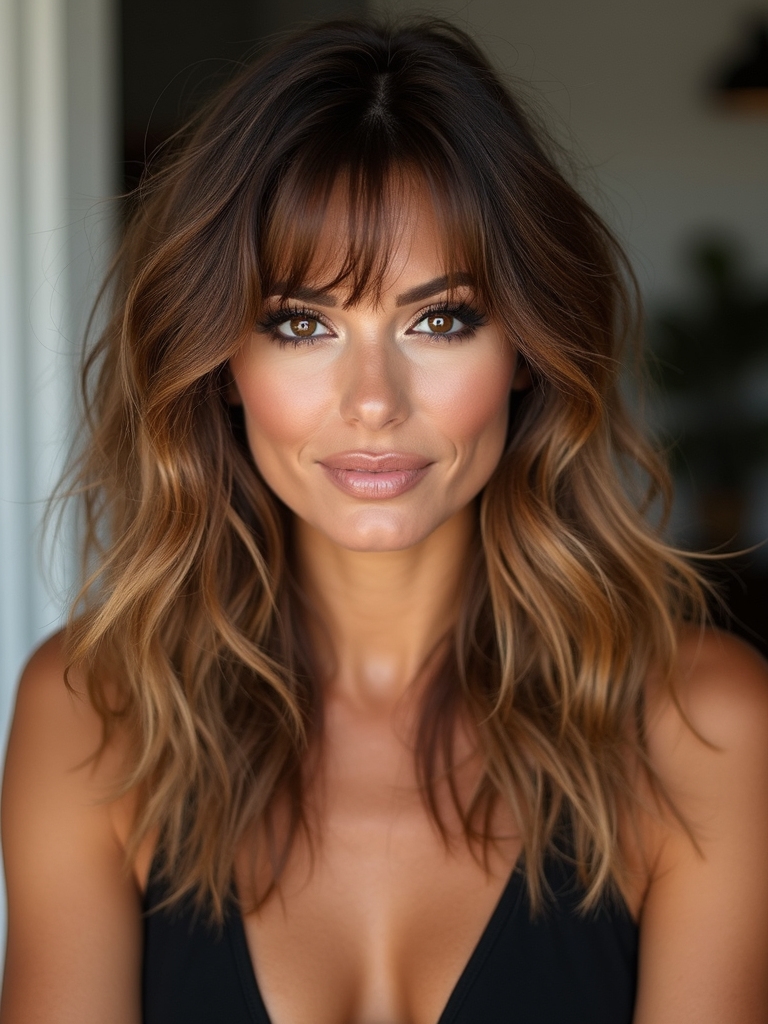
I love how wispy bangs on wavy hair add effortless motion and a soft frame without feeling heavy, and I’ll walk you through choosing lengths that suit your face, blending them into different wave types, and keeping that airy finish with easy styling tricks.
I’ll also share cutting tips, updos that show off the fringe, and what to ask your stylist so your bangs grow out gracefully — plus a few nighttime hacks to preserve shape, but first…
Choosing the Right Wispy Bang Length for Your Face Shape

If you’ve ever wondered if wispy bangs will flatter your face, I’ll walk you through how length changes everything — from softening a square jaw to balancing a long face.
I suggest chin-skimming bangs for rounds, side-swept shorter pieces for squares, and longer, wispy curtains for oblongs.
We’ll tweak lengths to highlight cheekbones and eyes without hiding your waves.
Effortless long hair often looks best when styled with wispy bangs, which add movement without weighing down wavy locks.
How to Blend Wispy Bangs With Different Wave Types
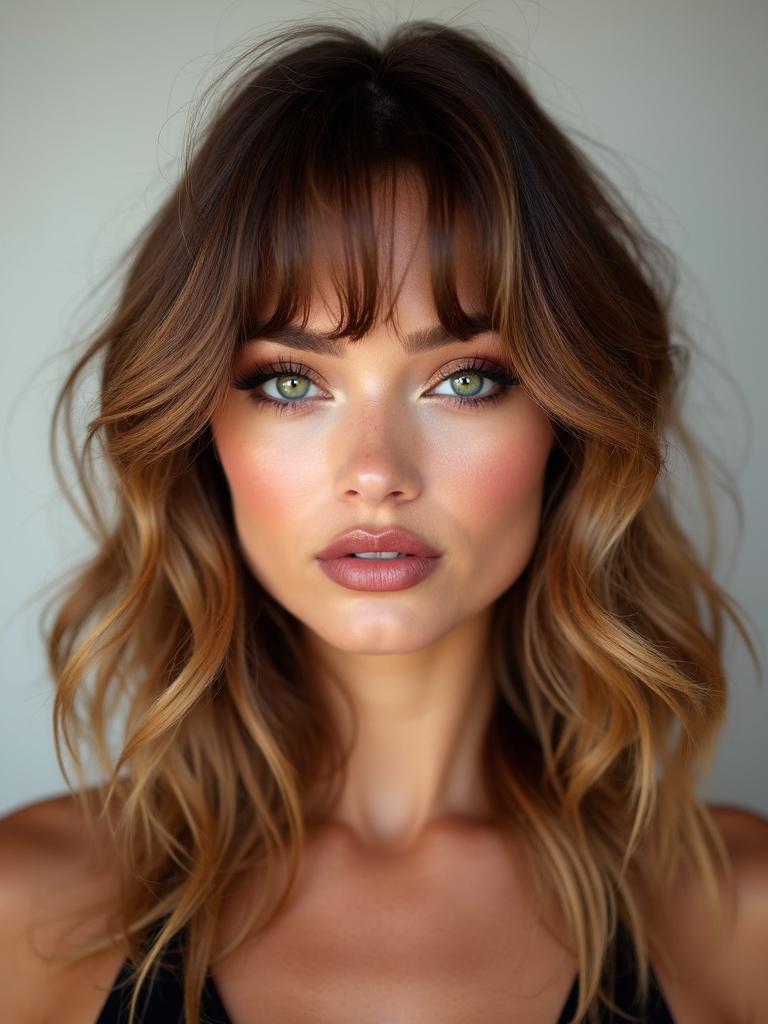
I’ll walk you through blending wispy bangs with everything from tight curls to lazy waves so your fringe feels like it belongs.
For tighter curls we’ll talk softening techniques, for loose waves I’ll show how to enhance movement, and for mixed textures we’ll use layering for a seamless blend.
Stick with me and I’ll keep the tips simple and easy to try at home.
Wispy curtain bangs are a great option for creating a soft, face-framing look that complements many hair types, including wavy hair, because they provide gentle framing without overwhelming the natural texture.
Softening Tight Curls
Let’s tackle how I soften tight curls so wispy bangs don’t look out of place — blending them takes a gentler touch than with looser waves.
I diffuse gently, apply a lightweight cream to loosen coils, and finger-comb bangs into shape. I trim minimally to keep movement, avoid heavy product at roots, and refresh with a spritz of water and curl conditioner for seamless shift.
I also recommend learning about Curly Hair Wispy Bangs to adapt techniques for different curl patterns.
Enhancing Loose Waves
When working with loose waves, I focus on enhancing their natural bounce so wispy bangs sit effortlessly with the rest of your hair.
I tweak parting and curl direction, then refine bang length to match wave rhythm.
I use light products and a diffuser to keep movement, finger-comb for separation, and trim slightly if bangs feel heavy, keeping everything airy and cohesive.
This approach pairs especially well with curtain bangs designed to frame the face and move with wavy hair.
Layering For Seamless Blend
Start by looking at how your waves behave—tight S‑shaped waves sit differently than loose, beachy ones—because that determines where and how I layer your bangs to blend seamlessly.
I cut shorter, tapered layers for tighter curls so bangs tuck in, and softer, longer layers for relaxed waves so edges float. We’ll tweak length and weight together until it moves naturally. I also consider the hair’s natural movement pattern when deciding where to place each layer.
Layering Techniques to Keep Bangs Light and Airy

I like to start with a feathered cut at the roots to give bangs natural movement without weight.
Then I use a careful thinned-ends technique so the tips don’t look chunky against wavy hair.
Stick with light, precise layering and your bangs will stay airy and soft all day.
Feathered Cut at Roots
Think of feathering the roots as giving your bangs breathable structure — I lightly slice into the base so the weight lifts and the pieces flutter instead of laying flat.
I aim for soft graduation from scalp to fringe, angling small snips to encourage movement.
It feels airy, keeps waves visible, and makes styling quick — just tousle, let texture do the rest.
Thinned Ends Technique
Feathering out the tips lets your bangs breathe without losing shape — I use a careful thinning technique at the ends so they taper softly into your waves.
I snip tiny sections with thinning shears, removing weight but keeping movement.
This prevents a blunt line, blends with longer layers, and keeps bangs airy day-to-day.
It’s low-maintenance and natural-looking, believe me.
Cutting Tips for Seamless Bang-to-Wave Transitions

When I cut wispy bangs into wavy hair, I focus on creating a soft bridge between the fringe and the waves so nothing looks chopped off; that means working with the hair’s natural bend, cutting in small vertical snips, and blending at the junction point rather than hacking a straight line.
- follow growth direction
- snip dry for texture
- soften with point cuts
I keep checks light, chatty, and hands-on.
Styling Tools That Enhance Natural Wave and Movement

After I’ve shaped and blended the bangs, I reach for tools that amplify the hair’s natural bend rather than fighting it—diffusers, wide-tooth combs, and a light curling wand are my go-tos.
I scrunch with a diffuser for soft lift, detangle gently with a wide-tooth comb, and touch up pieces with a curling wand to enhance movement. A lightweight spray finishes without stiffness.
Heat-Free Ways to Shape Wispy Bangs
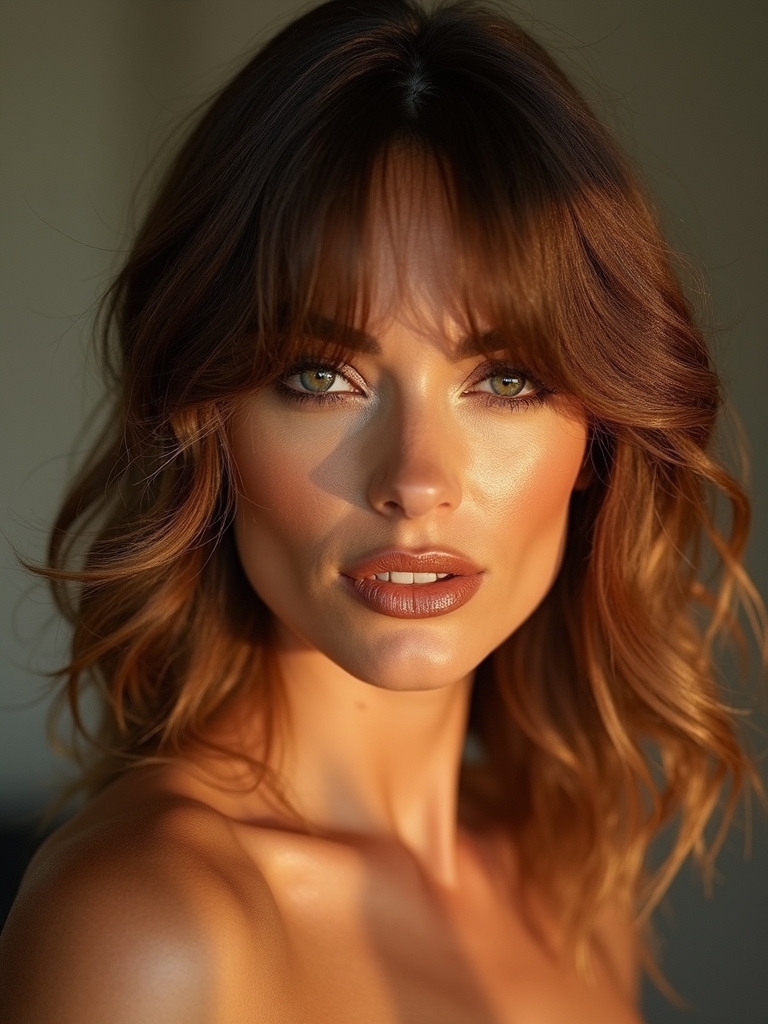
I love showing how you can shape wispy bangs without ever touching a curling iron or flat iron.
I’ll walk you through simple air-dry tricks and easy no-heat tools—like foam rollers and clips—that create soft shape and movement.
Try a couple of these methods and you’ll see how much bounce and control you can get without heat.
Air-Dry Styling Techniques
Loving the look of wispy bangs but not the heat damage? I’ll show simple air-dry tricks that give soft shape and movement.
I love how these feel effortless:
- Squeeze lightweight mousse through damp bangs, scrunch toward your face.
- Twist sections loosely and pin until dry for gentle bend.
- Finish with a cool spritz of salt spray for texture and hold.
No-Heat Shaping Tools
Want to skip the heat but still get that soft, face-framing shape? I love using no-heat tools: foam rollers, velcro rollers, and a lightweight bendable headband to mold wispy bangs while hair’s damp.
I pin curls gently, sleep on a silk scarf, then release and finger-comb for airy texture. It’s easy, gentle, and keeps waves intact without damage.
Product Guide: Lightweight Formulas for Soft Hold

Usually I reach for lightweight formulas when I want my wispy bangs to look soft and natural without feeling crunchy, and you should too if you prefer movement over stiffness.
I pick products that add gentle shape and frizz control without weight:
- airy mousse for bounce
- light cream for smoothness
- sea-spray for texture
They keep bangs touchable and breezy all day.
Refreshing Bangs Between Washes Without Weighing Them Down
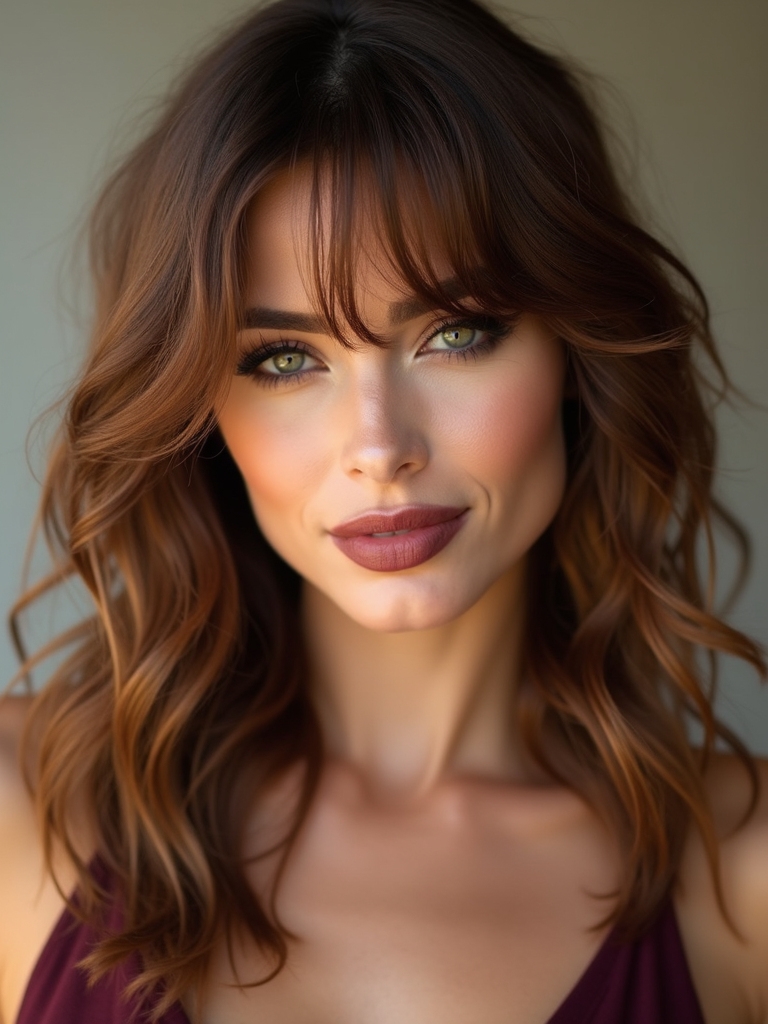
When my bangs need a quick pick-me-up between washes, I reach for a light mist dry shampoo to soak up oil without turning the fringe crunchy.
I’ll follow with a tiny spritz of texture-boosting salt spray at the roots to restore that airy, beachy separation.
Believe me — a little goes a long way to keep wispy bangs looking fresh and weightless.
Dry Shampoo Light Mist
I often spritz a light dry-shampoo mist on my wispy bangs between washes to revive texture without flattening them, and it’s the quickest trick in my toolbox.
It freshens, soaks up oil subtly, and keeps movement. Try:
- Spray a few inches away for an even mist
- Finger-comb to lift roots
- Wait a minute, then style lightly for natural bounce
Texture-Boosting Salt Spray
Sometimes a spritz of salt spray is all I need to wake up my wispy bangs between washes without weighing them down.
I mist lightly at the roots, scrunch with fingertips, and let air or a diffuser finish the texture.
It adds subtle grit, keeps movement, and refreshes shape without stiffness.
Perfect for quick touch-ups when I want effortless, beachy bounce.
Color and Highlight Strategies to Accentuate Wispy Bangs

With a few well-placed highlights and the right base tone, I can make your wispy bangs pop against wavy hair without overpowering their soft, airy texture.
I’ll keep things subtle, strategic, and low-maintenance so light catches just right.
- Pick soft, face-brightening tones
- Use thin, feathery foils
- Blend root-to-tip for natural movement
You’ll get dimension without stiffness.
Face-Framing Waves: Placement and Angle Advice

When you’re aiming for face-framing waves, I focus on where the hair hits your cheekbones and jawline so the shape flatters your bone structure and keeps the wispy bangs feeling integrated.
I angle waves slightly away from the face for lift or toward the chin for softness. We’ll tweak placement so highlights catch the frame and your features look balanced and natural.
Adapting Wispy Bangs for Thick or Fine Hair

If your hair’s on the thicker side, I’ll show you how to thin and texturize bangs so they sit light and airy rather than heavy; if it’s fine, I’ll point out cut and styling tricks that add volume without losing that wispy look. I recommend:
- Point-cutting and slide-thinning for density control.
- Soft layers and a light mousse for lift.
- Diffuse-drying gently to keep movement.
Updos and Half-Up Styles That Showcase Bangs

For showing off wispy bangs, I love using updos and half-up styles that frame the face without burying those airy pieces—so I’ll walk you through easy pulls, twists, and pins that keep bangs front-and-center while the rest of your hair gets styled.
I’ll suggest loose buns, low twists, and clipped half-up crowns that feel effortless, flattering, and quick for everyday or dressier looks.
Nighttime Care to Preserve Bang Shape and Texture
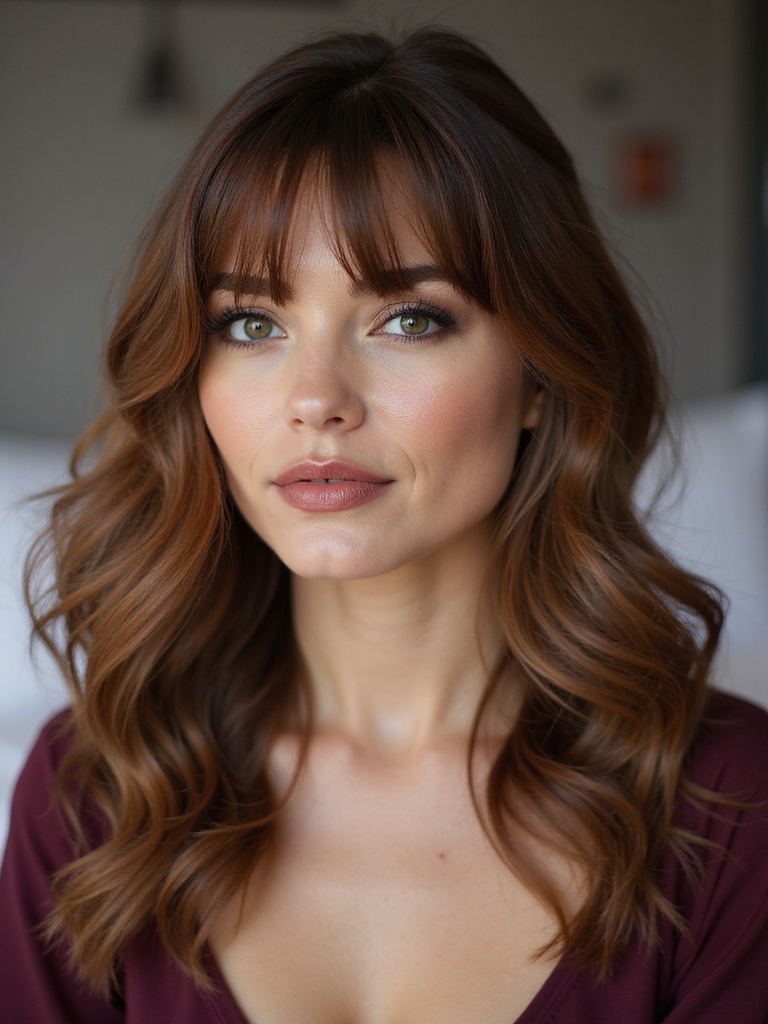
Sleeping smart is the easiest trick I use to keep my wispy bangs looking airy and shaped come morning — little nighttime rituals make a big difference.
I share what works for me so you can wake up ready, not frantic:
- Smooth with a tiny dab of leave-in cream and gently pin if needed.
- Sleep on a silk pillowcase to reduce friction.
- Refresh with a quick mist and light scrunch.
Salon Conversation: What to Ask Your Stylist

When I sit down with my stylist, I start by saying exactly how I want my wispy bangs to behave day-to-day — if I want them piecey and airy, slightly fuller, or easy to push to the side — so we can agree on length, layering, and where to texturize.
I ask about maintenance, product choices, blow-dry tricks, and how often trims fit my routine, keeping it practical.
Transitioning Bangs as Your Waves Grow Out
I also like to talk about what happens after that initial cut, because as your waves grow out your bangs will change shape and need different handling.
I check length, texture, and parting often, then tweak styling. Try simple shifts:
- Trim lightly every 6–8 weeks
- Use a bit of leave-in cream to redefine waves
- Clip back during awkward phases and release when ready
I hope this gives you the confidence to try wispy bangs with your waves — they’re playful, forgiving, and so easy to live with when you cut, blend, and style them right. Start a little longer, ask your stylist for feathered tips, and use light products and gentle drying to keep that airy movement.
Have fun experimenting, and don’t be afraid to tweak length as your waves change — you’ll find a version that feels totally you.


