

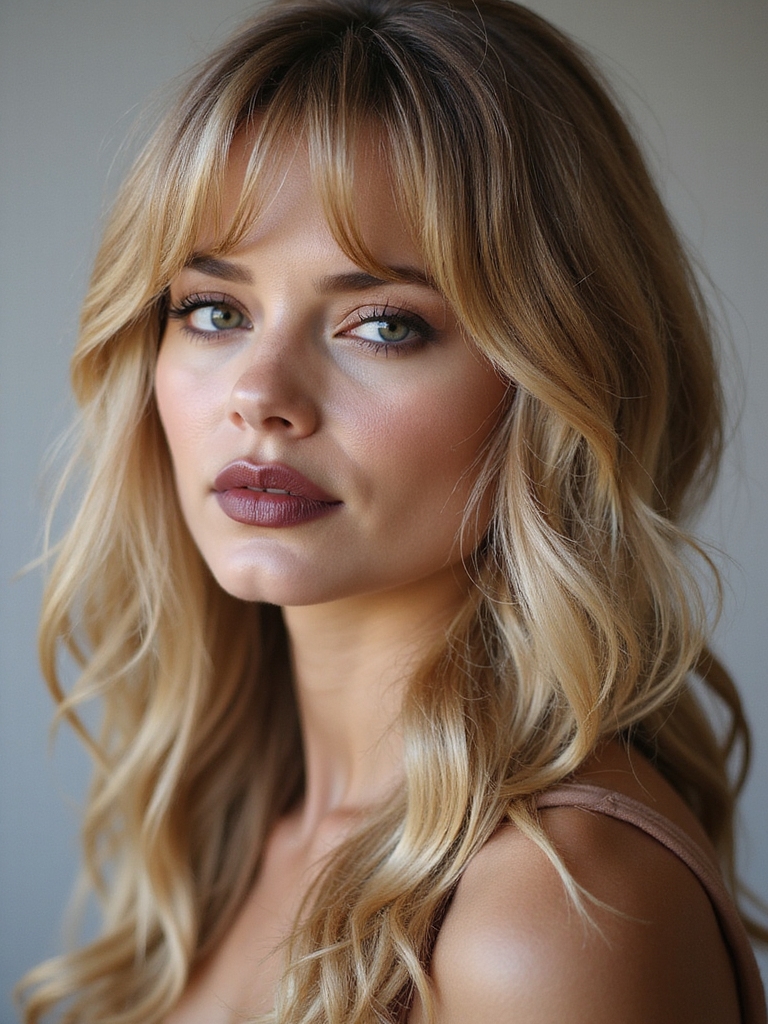
I’m obsessed with how super wispy bangs can instantly soften a look without feeling heavy or overdone. They’re all about feathered, face-framing pieces that glide into your layers, regardless of you want a subtle curtain, micro fringe, or long, blended sweep.
I’ll walk you through shapes, styling tricks, and what to ask your stylist so you get airy movement that lasts—plus a few pro tips to keep them fuss-free.
What Are Wispy Bangs and Who Do They Flatter

Think of wispy bangs as the breezy, effortless cousin of blunt fringes — they’re thin, feathered, and soft around the face, so they frame your features without feeling heavy or overdone.
I love how they suit oval and heart-shaped faces, soften strong brows, and add movement to fine hair.
Try them if you want a low-commitment, flirty update.
They’re also a great choice for adding texture to layered cuts and creating an effortless wispy finish.
Curtain-Style Wispy Bangs for Face Framing

I love how curtain-style wispy bangs use soft parting lines to open the face without feeling heavy.
I’ll show you the ideal lengths that flatter different shapes and how subtle layered feathering keeps everything light and natural.
Believe me, a few simple cutting tips will give you that effortless frame you’ve been wanting.
These styles are inspired by classic soft curtain bangs techniques that emphasize soft curtain shaping for a naturally airy look.
Soft Parting Lines
When I part my bangs softly down the center, they fall like gentle curtains that frame the face without shouting for attention.
I love how that soft line creates symmetry and movement, nudging hair away from my eyes while keeping things airy.
It’s an easy, low-fuss trick that brightens my features and feels effortlessly chic — like a whisper, not a statement.
Styling these looks works especially well with wispy curtain bangs, which add softness and flow to long hair.
Length That Flatters
Although I love a breezy, face-framing curtain, the right length makes all the difference—too short and they’ll chop your features, too long and they disappear into the rest of your hair.
I aim for a length that skims cheekbones. Try these quick guides:
- Eyebrows: playful peek.
- Cheeks: soft balance.
- Chin: more drama, less subtle.
The look pairs especially well with an effortless butterfly cut that enhances the airy, layered movement.
Layered Feathering Tips
Start by thinking of feathering like giving your bangs little soft breaths—each layer is meant to flirt with your face, not mask it.
I trim subtle, angled pieces to create movement, keeping the longest strands near the cheekbones for framing.
I sweep and soften edges with thinning shears, then tousle gently—curtain-style wisps should look effortless, airy, and perfectly you.
This technique blends long layers with face-framing curtain bangs to maintain natural movement and balance.
Short, Feathered Micro Bangs With a Soft Edge

I love how short, feathered micro bangs can instantly sharpen your look without feeling harsh; they skim the brow with a soft edge that keeps things flirty and wearable.
I’d nudge them into place with a light texturizing cream and a quick blow dry.
Try these ideas:
- Soft point-cut ends.
- Slightly tousled finish.
- Face-framing tapering.
Long Wispy Fringe Blended Into Layers

I love how a long wispy fringe can melt into layers for seamless movement that never looks forced.
I’ll show you how gentle blending creates soft face-framing pieces and give quick tips for keeping the texture light and airy.
Stick with me and you’ll see how tiny cuts and the right products keep everything weightless and full of life.
Seamless Layer Blending
When I blend a long wispy fringe into layers, I aim for a look that feels effortless and airy rather than chopped or heavy.
I coax pieces to mingle softly, snipping in tiny feathered strokes and point-cutting ends. Try these quick ideas:
- soften shifts with diagonal cuts
- thin gently at the weightline
- blend with long, face-skimming layers for movement
Face-Framing Movement
Sliding those long, wispy bangs into face-framing layers lets me sculpt movement that feels alive, not stuck; I trim with soft, diagonal snips and feathering to coax hair to fall and flirt around the cheekbones.
I tuck, twist, and tousle sections to test the sway, watching how each layer nudges the fringe—it’s playful, flattering, and perfect for softening angles without adding bulk.
Lightweight Texture Tips
So after coaxing those bangs to flirt around the cheekbones, I focus on keeping everything weightless so the fringe never drags the look down.
I blend long wispy fringe into layers, teasing texture gently and using airy products. Try these quick tricks:
- Dry-shampoo at roots for lift
- Point-cut ends for feathering
- Light cream to tame flyaways without heaviness
Side-Swept Wispy Bangs for a Romantic Look

Why not try side-swept wispy bangs if you want a romantic, effortless vibe? I love how they soften features and frame the eyes without heavy commitment.
I sweep them to one side, tousle lightly, and they read flirty yet refined. They work with waves or straight hair, adding movement and a gentle, intimate charm that’s easy to style daily.
Piecey, Textured Wispy Bangs for Fine Hair

I usually recommend piecey, textured wispy bangs when you’ve got fine hair and want the illusion of thickness without bulk.
I love how they frame the face and feel light.
Try these quick tips:
- Use a light texturizing spray to separate strands.
- Point-cut ends for airy pieces.
- Blow-dry with a round brush, lifting at roots for subtle volume.
Thick Hair Tips: Thinned Wispy Bangs That Move

If your hair’s thick, I’ll show you how smart sectioning trims weight without losing shape.
I like razor-thinning to create soft movement and strategic layer placement so your bangs actually swing.
Stick with me and we’ll make your fringe light, airy, and full of life.
Sectioning for Lighter Density
When my clients with thick hair ask for wispy bangs that actually move, I start by sectioning for lighter density so we don’t end up with a heavy, helmet-like fringe.
I pick clean subsections, remove bulk strategically, and shape face-framing pieces. My quick checklist:
- Narrow center panel
- Thin outer edges
- Soft shift layers
This keeps things airy and easy.
Razor-Thinning for Movement
Grab your razor—this is where the magic happens. I soft-shape thick bangs by angling the blade and working in tiny snips, clearing weight without bluntness.
I keep movements light, check as I go, and avoid over-thinning to preserve bounce. The result? Wispy strands that sway naturally, frame your face softly, and feel airy instead of sparse. Trust the gentle touch.
Layer Placement for Swing
You’ve felt how razoring frees weight; now I place layers to give those wisps actual motion. I chat you through positioning so thick bangs swing light, not heavy.
- Short internal layers near the forehead for lift.
- Longer face-framing slices to catch breeze.
- Soft graduation toward temples to prevent bulk.
I show how each cut nudges playful movement.
Wispy Bangs With Face-Softening Layers

With a few soft cuts and the right layering, I can make wispy bangs feel like they were always meant to frame your face—never heavy, never harsh.
I’ll add face-softening layers that skim cheekbones and jawlines, creating movement and lightness.
You’ll get an effortless, flattering silhouette that brightens your features and plays nicely with any length—subtle, airy, and totally wearable.
Curly and Wavy Wispy Bangs Care Guide
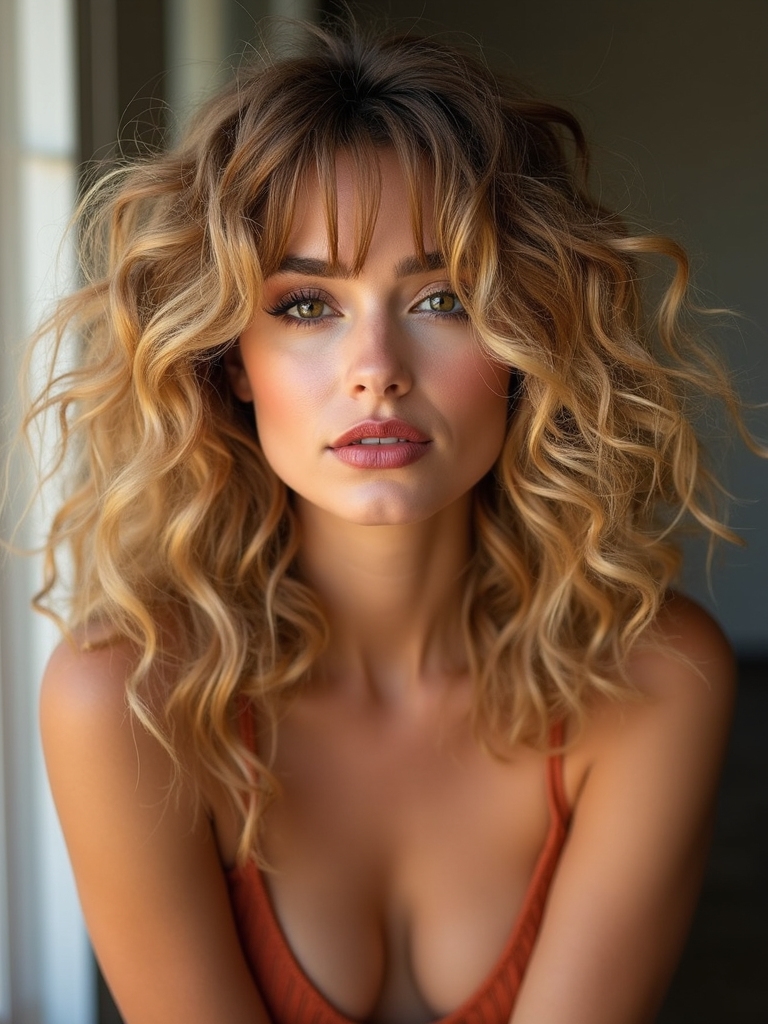
Taming curly or wavy wispy bangs starts with learning their little moods—some days they want bounce, other days they’ll frizz at the drop of humidity—and I’ll walk you through the basics so they behave.
I keep care simple:
- Hydrate: gentle conditioner, don’t overload.
- Diffuse or air-dry: encourage shape.
- Refresh: dampen and scrunch, then set gently.
Styling Tools and Products for Airy Bangs

I usually reach for a small arsenal when I want airy bangs to look effortless all day: a lightweight mousse or sea-spray for texture, a fine-tooth comb or small round brush for shaping, and a blow-dryer with a concentrator or a mini diffuser to set the look without flattening it.
I’ll finish with feather-light hairspray and a tiny dab of smoothing serum to tame flyaways.
How to Cut Wispy Bangs at Home Safely

You’ve got the tools and products down, so now let’s talk about cutting those wispy bangs yourself without freaking out. I’ll keep it simple, gentle, and safe—trim dry, snip tiny amounts, and check often.
Follow this quick plan:
- Section hair and comb forward.
- Point-cut small vertical snips.
- Recheck length with natural fall and adjust.
Growing Out Wispy Bangs Gracefully

When my wispy bangs started acting like their own mood ring, I decided to map out a plan to grow them without the awkward stages taking over my life.
I trimmed stray pieces, nudged length with clips, and used light texturizing so they blended. I adopted headbands, low-maintenance trims, and patience—cheering each inch as it joined the rest of my hair.
Styling Wispy Bangs for Updos and Ponytails

Let’s tuck those wispy bangs into a ponytail without losing their soft, face-framing charm—I’ll show you how to make them look intentional, not an afterthought. I love quick tricks that keep them airy with updos.
Try these:
- Light mist and finger-sweep for movement.
- Pin side pieces loosely for softness.
- Tease roots slightly for lift, then smooth ends.
Color Techniques to Enhance Wispy Bangs

How can a touch of color make wispy bangs look like they were born to flatter your face? I love adding subtle highlights or a soft balayage to create depth and movement.
A few lighter pieces brighten your eyes; a shadow root keeps it natural. Try a face-framing babylight or a pastel tint for whimsy—small changes, big impact that still read airy and effortless.
Talking to Your Stylist: What to Ask for in Photos

I always bring a few clear reference photos so my stylist knows exactly the wispy bang texture and length I’m aiming for.
I tell them how I want my face shape framed—whether I want soft rounding, a lifted look, or something that elongates.
I also say upfront how much time I’ll spend on upkeep so we pick a cut that fits my routine.
Bring Clear Reference Photos
When I bring a photo to the salon, I’m not just showing a look—I’m giving my stylist a clear roadmap.
I chat about texture, length, and maintenance while we study the image together.
I keep references crisp and specific:
- Front view for fringe shape
- Side view for layering
- Close-up for airiness and texture
It makes styling decisions so much easier.
Describe Face Shape Goals
Because face shape changes how bangs fall, I tell my stylist exactly what I want to emphasize or soften—whether that’s balancing a wide forehead, slimming a round face, or keeping cheekbones visible.
I describe my jaw, hairline quirks, and where I want attention.
Say “soften temples,” “open forehead,” or “frame cheekbones” so they cut wispy bangs that flatter my features.
Specify Maintenance Level
If you want bangs that fit your life, tell your stylist exactly how much upkeep you’re willing to do — I say out loud if I’m up for weekly trims, a quick at-home dusting, or only a salon visit every couple months. I show photos and clarify maintenance so we match style to routine.
- Weekly trims
- Monthly tidies
- Low-maintenance cuts
So, if you want a feather-light curtain, flirty micro fringe, or long bangs that melt into layers, wispy bangs are an easy way to freshen your look without heavy commitment. They soften features, play nicely with layers, and take color beautifully.
Talk through photos with your stylist, ask about face-framing lengths, and welcome a bit of texture. Try a light spray or round-brush sweep—I promise, a soft, airy vibe is totally worth it.


