
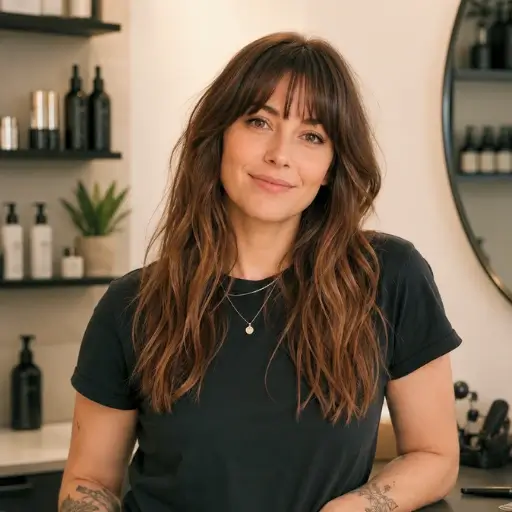

Blue hair is undeniably bold, but how do you guarantee it doesn’t cross the line into cartoonish territory? It all starts with choosing the right shade and matching it with your style. Think deep, muted blues paired with sleek outfits and minimalistic accessories.
The trick is creating a balance that’s stylish, not overwhelming. If you’re intrigued by how blue hair can elevate your look rather than detract, I’ve got some savvy tips to share.
Understanding the Color Spectrum
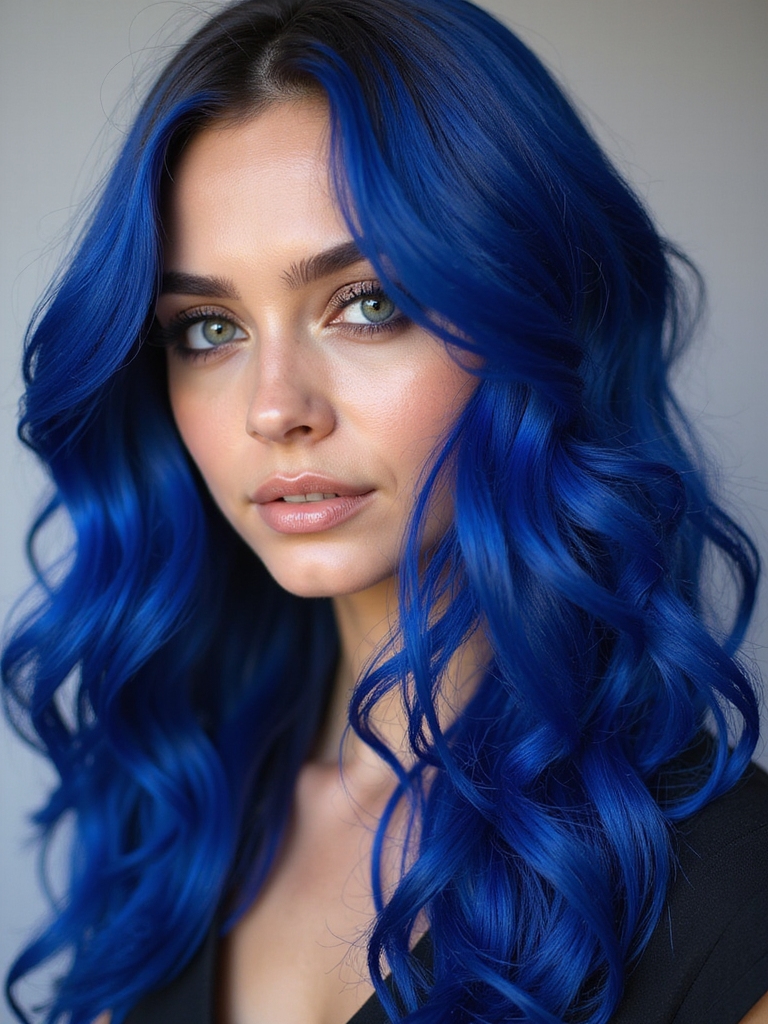
Understanding the color spectrum is like revealing a secret code to bold hair decisions.
Picture it: the spectrum isn’t just a rainbow—it’s a tool. Each shade plays differently based on light and undertones. Knowing this, I choose a blue that complements rather than clashes.
It’s not just about picking a color; it’s about harnessing the right hue to suit my style, ensuring vibrant confidence.
The Importance of Skin Tone Matching
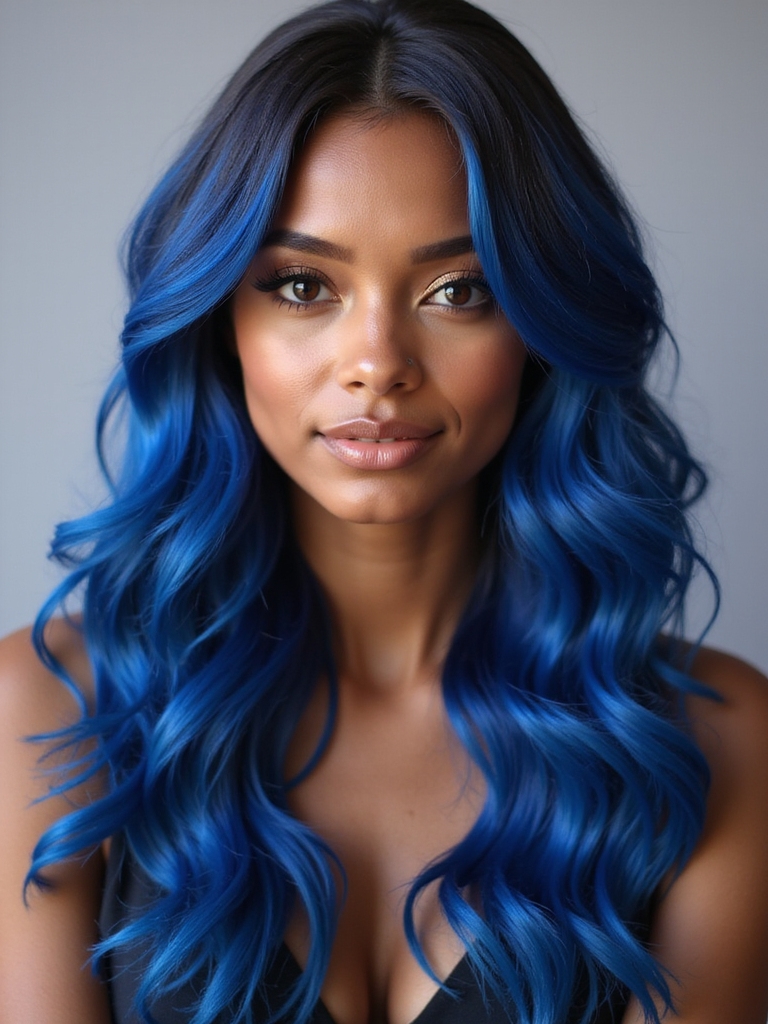
Choosing a hair color is more than just a whim—it’s about finding the shade that enhances your natural glow.
Matching your blue hue with your skin tone is essential. Here’s how:
- Identify undertones: Warm, cool, or neutral?
- Test swatches: Compare colors in natural light.
- Consider eye color: Blue eyes pop with certain shades.
- Consult a pro: Get tailored advice.
These steps guarantee your blue hair complements, not clashes.
Finding the Right Shade of Blue
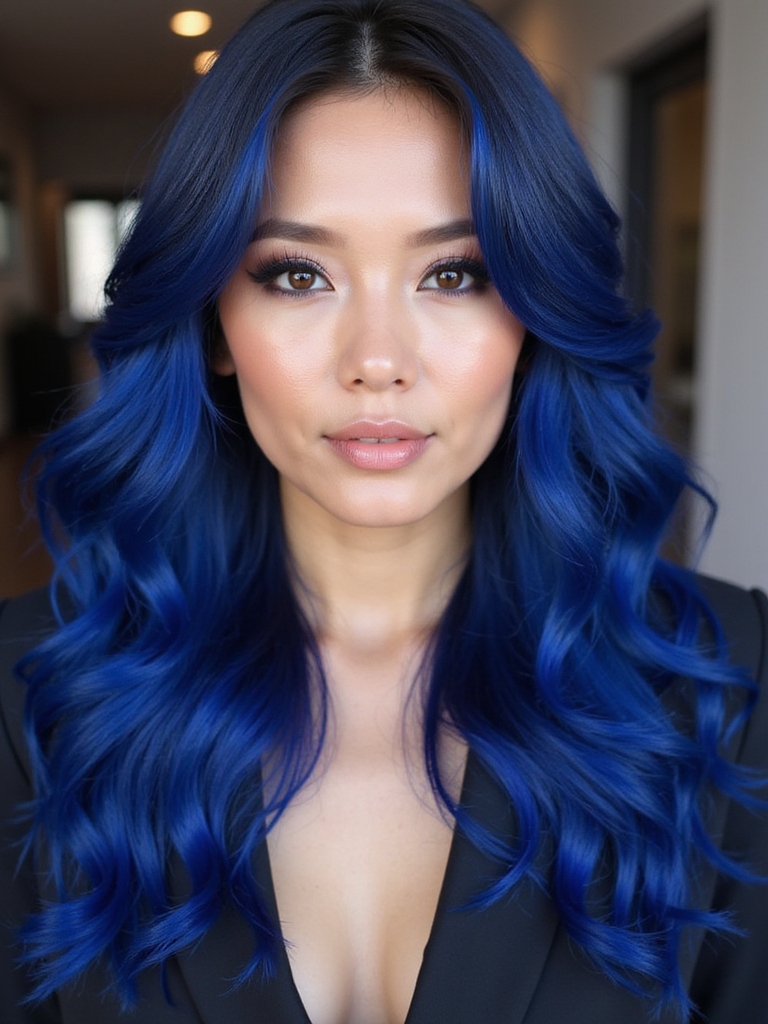
When picking the right blue, it’s essential to balance cool and warm shades to complement your natural tones.
I always keep my skin undertones in mind—cool shades for those with pink undertones, and warmer hues for yellow or olive tones.
Regardless of if you want a subtle pastel or a vibrant electric blue, there’s a perfect match out there that’ll make you feel bold and confident.
Balance Cool and Warm
Finding the right shade of blue for your hair can feel like a balancing act between cool and warm undertones.
Let’s break it down:
- Determine if you prefer icy pastels or rich teals.
- Identify your natural warmth and adjust accordingly.
- Blend shades if you want a unique, layered effect.
- Test temporary dyes to see what resonates.
Consider Skin Undertones
Although it might seem complex, matching your blue hair to your skin’s undertones can make all the difference.
Here’s a savvy tip: if your skin’s warm, lean towards rich, deep blues.
Cooler undertones? Go for icy or teal shades.
This know-how transforms your look from garish to gorgeous.
Believe me; it’s about complementing your natural tones, not just picking a color you fancy.
Explore Pastel and Vibrant
If you’re trying out blue hair for the first time, consider if you want a pastel or vibrant shade. Both have their charms.
Ask yourself:
- Maintenance: Do you want low maintenance or frequent touch-ups?
- Impact: A subtle pastel or eye-catching bold?
- Your Style: Does it align with your wardrobe?
- Commitment: Are you ready for a dramatic change or something softer?
Decide wisely!
Considering Hair Texture and Type
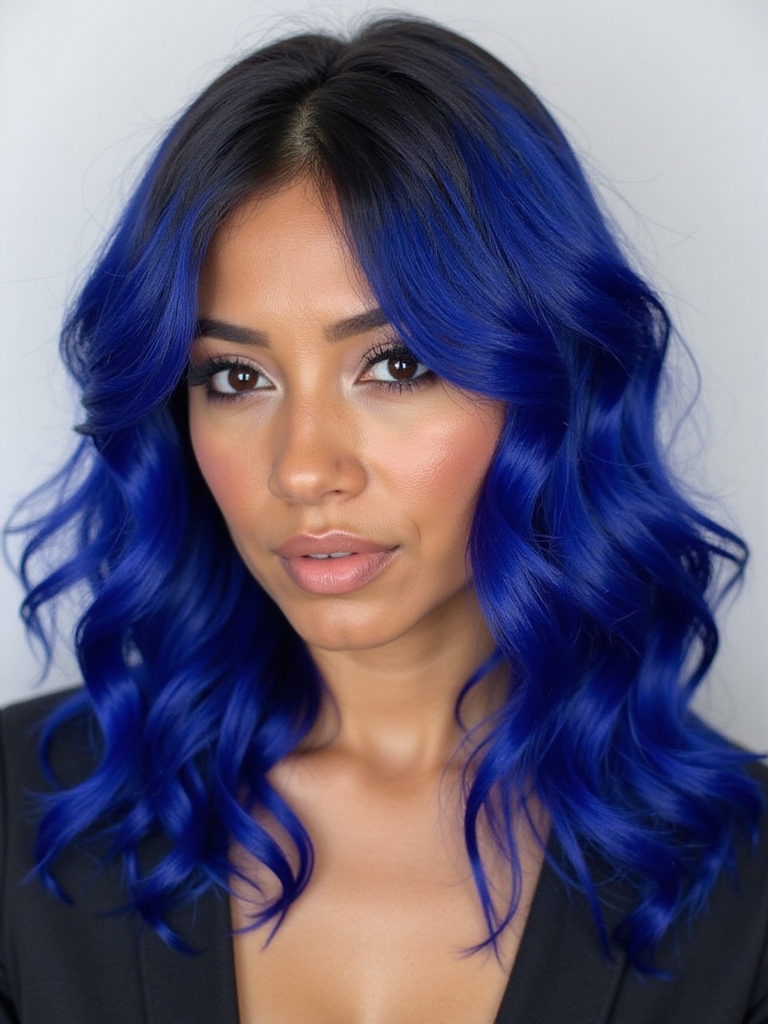
When you’re considering dyeing your hair blue, you can’t overlook the importance of understanding your hair’s texture and type.
Fine hair might require gentler products to avoid damage, while curly strands can need more moisture.
Knowing if your hair is oily or dry, coarse or soft, helps tailor your approach.
That way, your bold new hue enhances your hair’s natural qualities, ensuring it looks stylish, not cartoonish.
Choosing Between Permanent and Temporary Dye
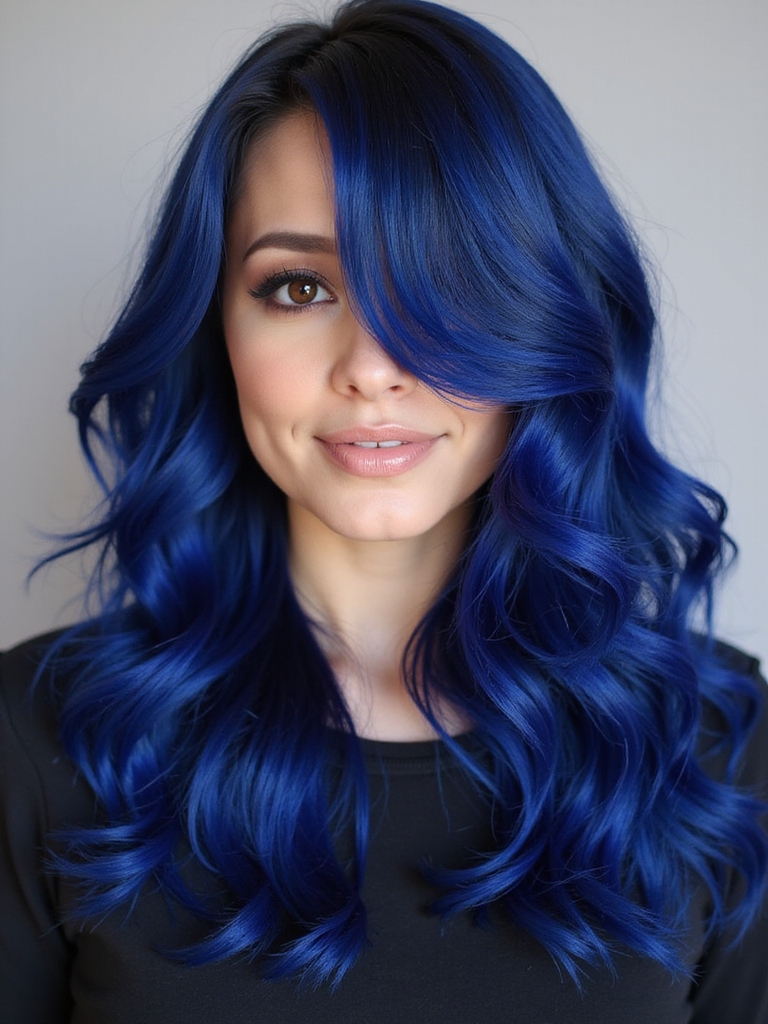
Why should you choose between permanent and temporary blue dye? It depends on your personal needs. Here’s how you can decide:
- Commitment Level: Temporary fades after a few washes; permanent lasts longer.
- Hair Health: Temporary is gentler; permanent may cause more damage.
- Experimentation: Temporary lets you try a shade without fear.
- Budget: Temporary is often cheaper than permanent.
Think about what matters most to you.
The Role of Undertones in Hair Dye
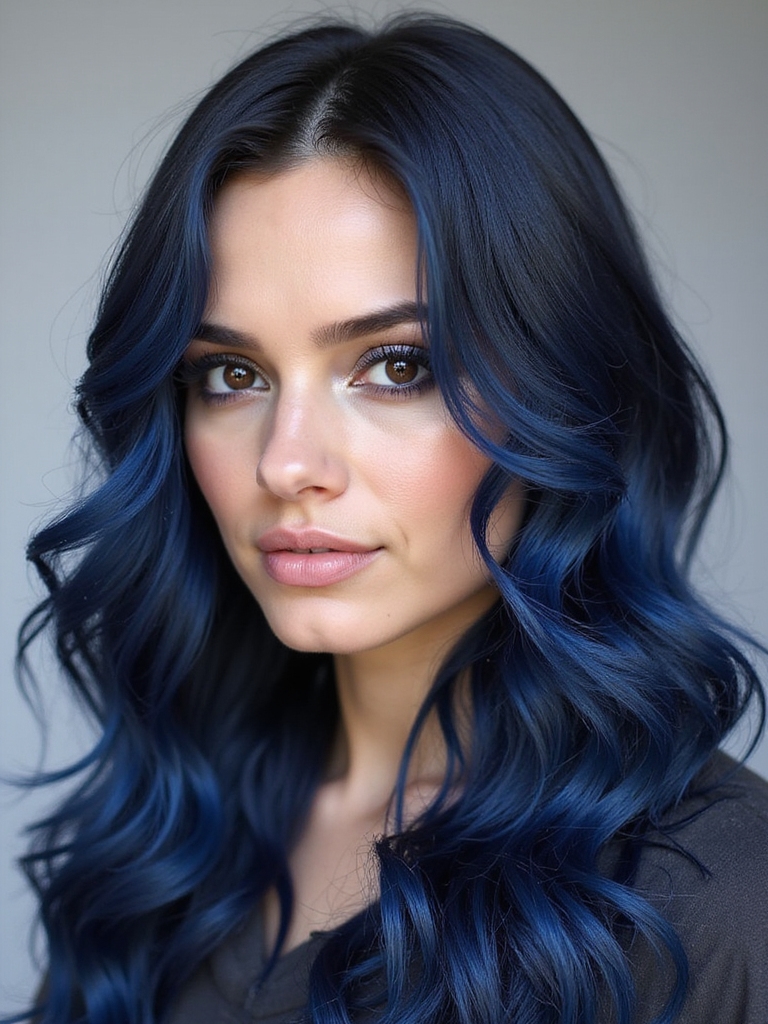
Understanding undertones in hair dye can be a game-changer in achieving that perfect shade of blue.
Believe me, picking the wrong undertone can turn your dream color into a disaster. I’ve learned that matching cool undertones with cool shades avoids clashing, while warm undertones with warm shades create harmony.
Before you plunge in, assess your skin’s undertone. It’ll keep your blue looking bold, not cartoonish.
Prepping Your Hair Before Coloring
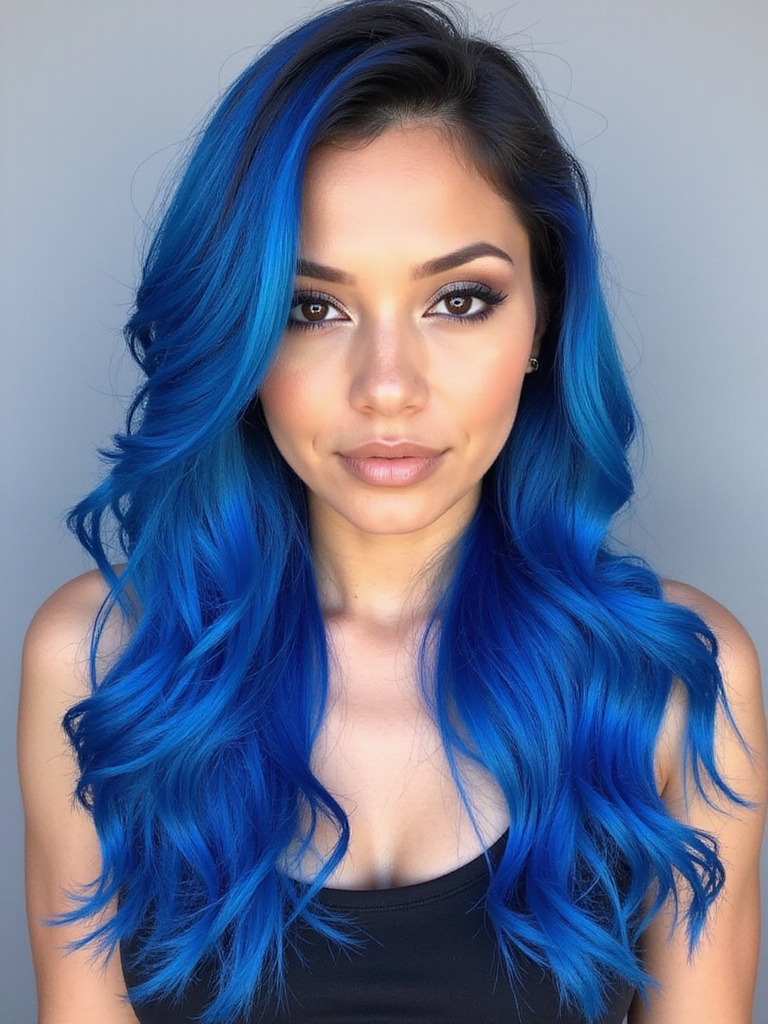
Now that you’ve got your undertones squared away, it’s time to get your hair ready for that bold blue.
Here’s a straightforward prepping process:
- Deep Clean: Use a clarifying shampoo to remove product buildup.
- Moisturize: Condition your hair with a nourishing mask.
- Protect: Apply a heat protectant if you’ll be blow-drying.
- Hydrate: Drink water to keep your hair healthy from within.
Techniques for Application
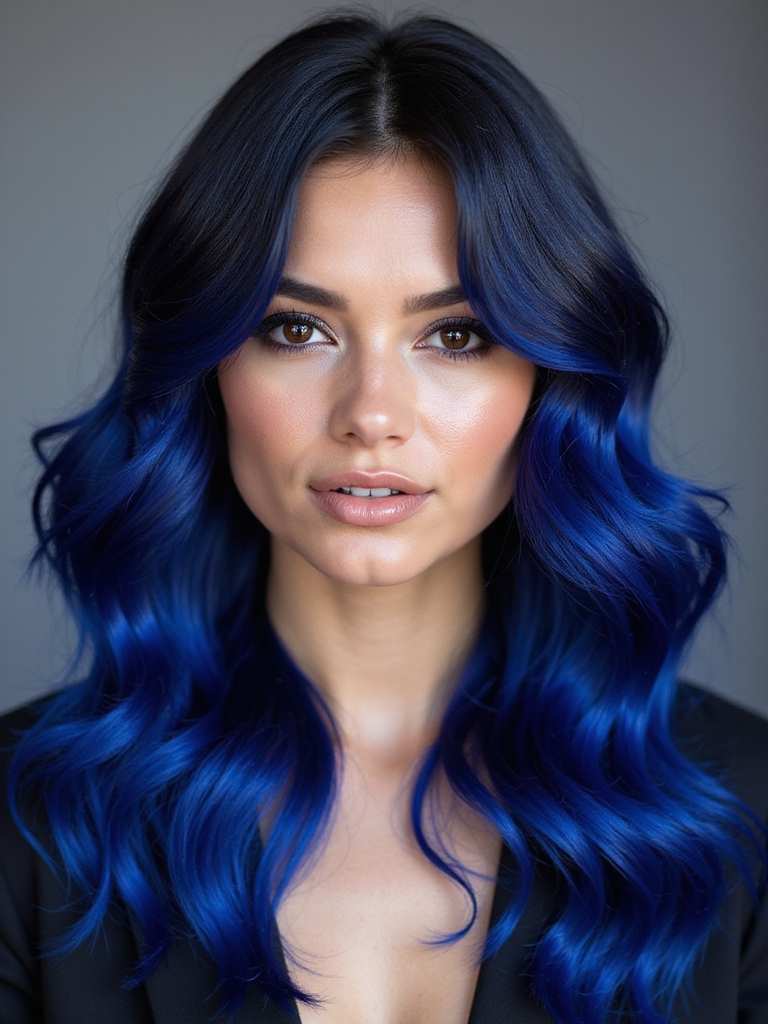
When diving into the vibrant world of blue hair, choosing the right application technique is crucial for achieving that standout look.
I recommend starting with a strand test to verify your chosen dye complements your hair type.
For even coverage, section your hair meticulously. A brush or applicator bottle gives you control, making certain no spot is missed.
Trust your instincts, stay patient, and watch your vision come to life.
Balayage and Ombre Styles
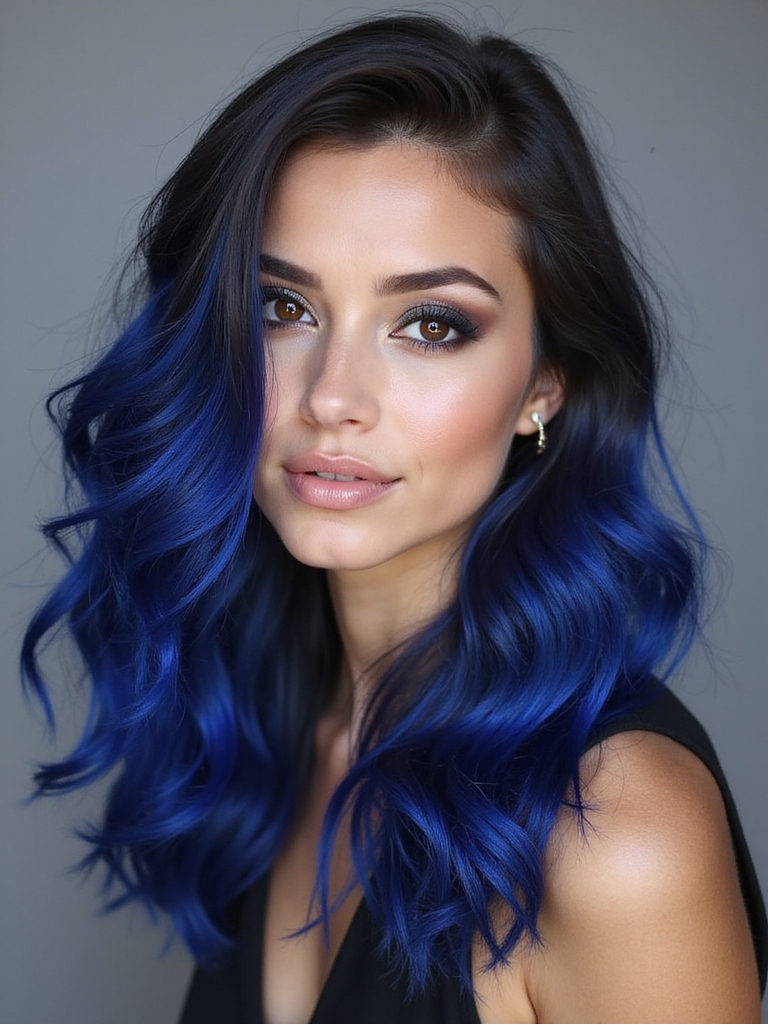
Let’s chat about the allure of balayage and ombre styles when it comes to blue hair.
I love how these techniques offer a seamless color shift and a natural gradient effect that’s both bold and sophisticated.
You can achieve a look that’s vibrant yet soft, perfect for any statement you want to make.
Seamless Color Transition
Although bold blue hair is a statement on its own, achieving a seamless color shift with balayage and ombre techniques takes it to another level.
I’ve found that it involves:
- Choosing the right shades – blend dark to light blues.
- Consistent blending – use a stylist skilled in these methods.
- Proper maintenance – protect with sulfate-free products.
- Strategic placement – enhance natural movement.
Trust me, it’s transformative!
Natural Gradient Effect
Achieving a natural gradient effect with balayage and ombre styles involves more than just slapping on some color and calling it a day.
You need a careful blend that mimics nature’s subtle shifts. I focus on selecting shades that harmonize with your base color, ensuring a smooth progression.
Patience is key; gradual layers avoid harsh lines, delivering bold blue hair that’s vivid yet believable.
Mixing Blue With Other Colors
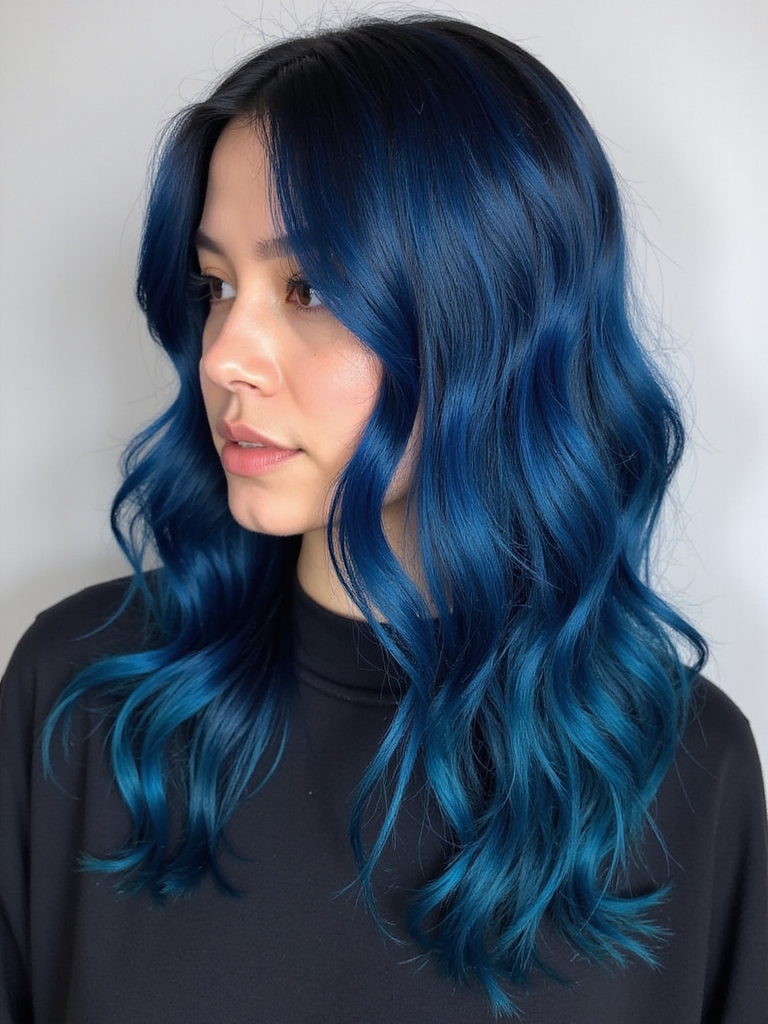
Mixing blue with other colors opens up a vibrant playground for creativity.
Picture a bold yet sophisticated look with these combos:
- Blue with Green: Evoke a serene, oceanic vibe.
- Blue with Purple: Radiate mystery and depth.
- Blue with Silver: Add an edgy, metallic twist.
- Blue with Pink: Create playful, cotton candy hues.
Step out confidently by letting color choices reflect your unique flair.
Utilizing Highlights and Lowlights
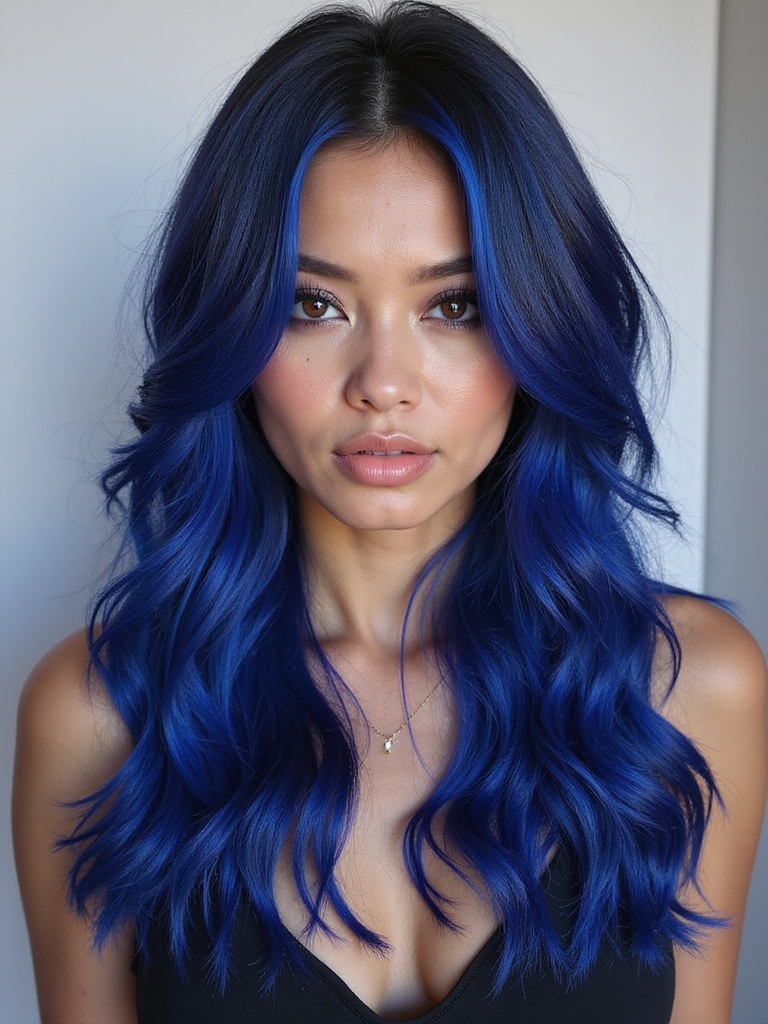
When balancing color tones with blue hair, I find using highlights and lowlights really amps up the dimension naturally.
It’s all about choosing the right shades to bring out the depth, without overwhelming your look.
If you’re aiming for something subtle or statement-making, these techniques can make your blue hair pop.
Balancing Color Tones
Though blue hair itself makes a bold statement, balancing its color tones requires a bit of finesse. Here’s how I approach it:
- Choose complementing shades – Mix in deeper or lighter blues.
- Consider undertones – Know your skin’s undertone to match.
- Blend highlights – Subtle streaks enhance texture.
- Touch-up often – Maintain the vibrancy.
This method keeps your blue looking vibrant yet sophisticated.
Creating Dimension Naturally
To naturally create dimension in blue hair, highlights and lowlights are your best friends.
Believe me, it’s all about adding depth. Consider adding a range of blues from cobalt to navy as highlights, and maybe some inky lowlights.
It’s a practical way to keep your hair looking vibrant and multi-dimensional.
No one wants flat color; it’s all about creating that bold, sophisticated look.
Styling Blue Hair for Everyday Looks

If you’ve taken the plunge and dyed your hair blue, you might be wondering how to incorporate that bold color into your daily routine while still looking effortlessly chic.
Here’s a quick guide:
- Texture play: Tousled waves or sleek straight.
- Accessory choice: Think simple headbands.
- Parting technique: Experiment with side or middle parts.
- Skip the wash: Maintain vibrancy by washing less.
Dressing to Complement Blue Hair
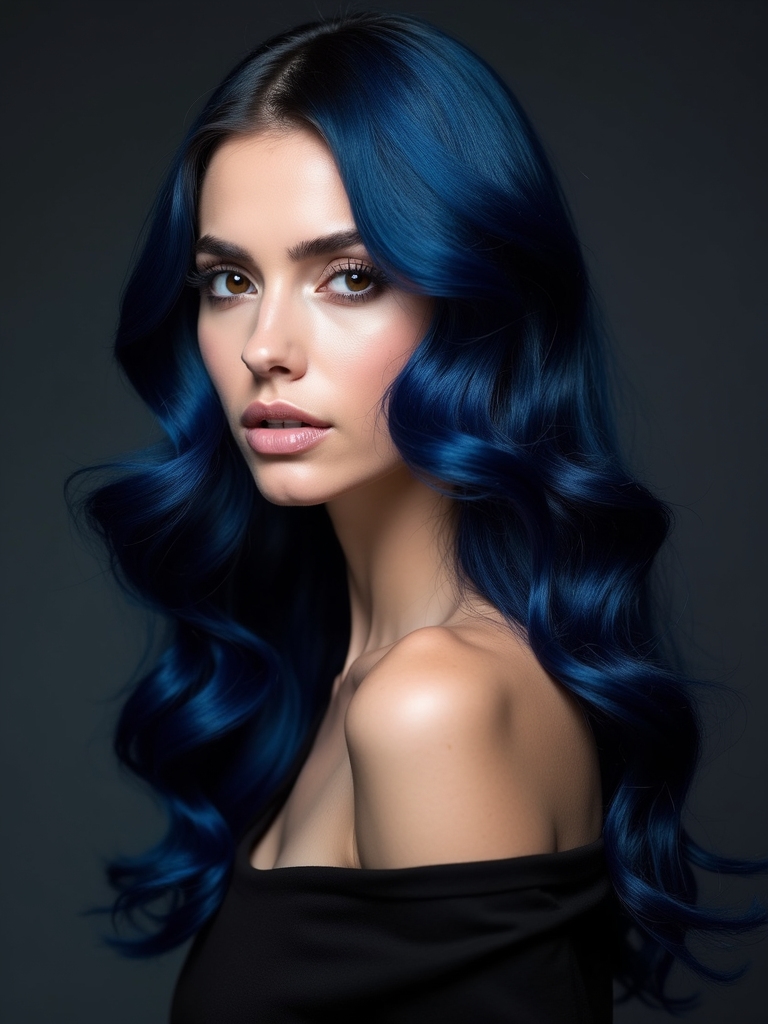
Styling your blue hair with the right accessories is only part of the fun.
Let’s talk outfits! Neutrals like white, black, and gray make your blue pop without competing.
Don’t shy away from denim; it’s versatile and complements your hue.
Avoid busy patterns; they can clash. Jewel tones, like emerald or sapphire, can harmonize beautifully.
Just remember, confidence is your best accessory!
Makeup Tips to Enhance Blue Locks

When it comes to making blue hair pop, I focus on makeup that complements this bold hue.
I love adding warm tones or metallics to my eyeshadow and lipstick since they highlight blue locks perfectly.
And let’s not forget about defining bold features with a striking eyeliner or a strong brow to really bring the whole look together.
Complementary Color Choices
Having blue hair opens up a whole new world of makeup possibilities, so let’s dive right in.
To enhance your bold locks, try these complementary color choices:
- Peach blush: Adds warmth for a fresh complexion.
- Gold eyeshadow: Creates a stunning contrast.
- Soft pink lips: Keeps the focus on your hair.
- Neutral browns: Ground your vibrant look.
Experiment and find what feels right!
Highlighting Bold Features
Welcoming the boldness of your blue hair means finding ways to make your features pop without overwhelming your look.
Choose warm-toned makeup to contrast with those cool blue locks. Think copper eyeshadow or peach blush.
Avoid heavy liners; opt for mascara to define lashes. A nude lip can balance the color intensity without competing for attention.
Compliment your hair and your confidence together!
Hair Care Routine for Colored Hair
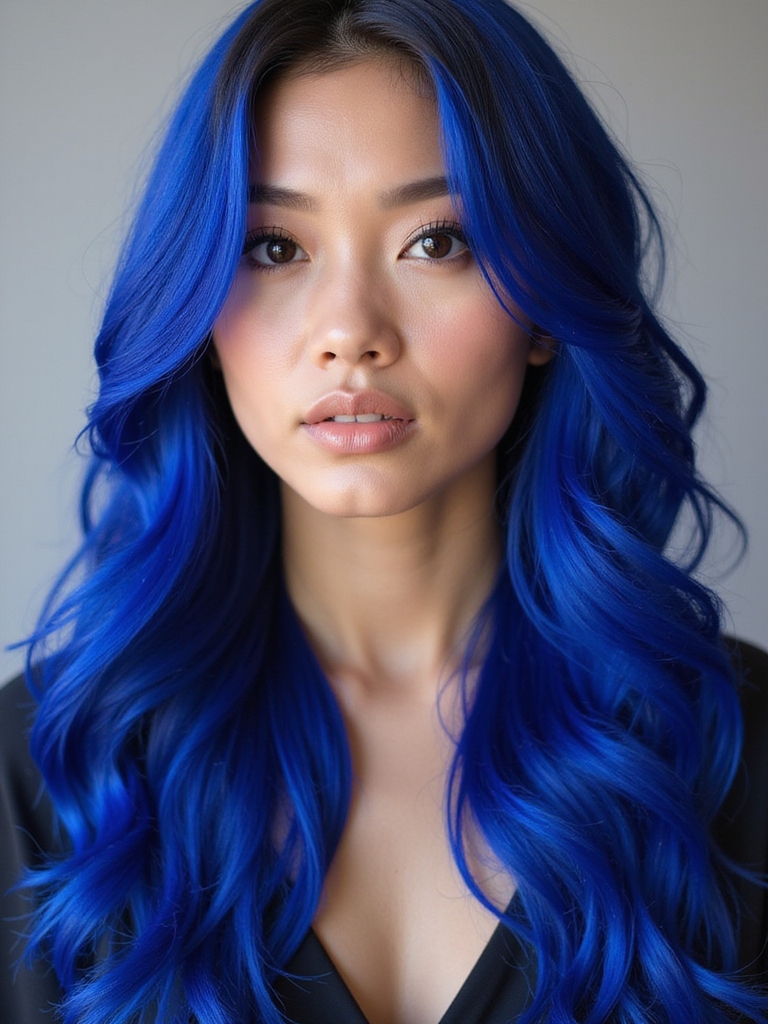
While vibrant blue hair can make a daring statement, keeping it looking fresh requires a solid hair care routine.
Here’s what I do:
- Use sulfate-free shampoo to maintain color longevity.
- Deep condition regularly to keep it moisturized.
- Rinse with cold water to lock in color.
- Limit heat styling to prevent damage.
These savvy practices guarantee my blue stays bold, not cartoonish.
Protecting Blue Hair From Fading
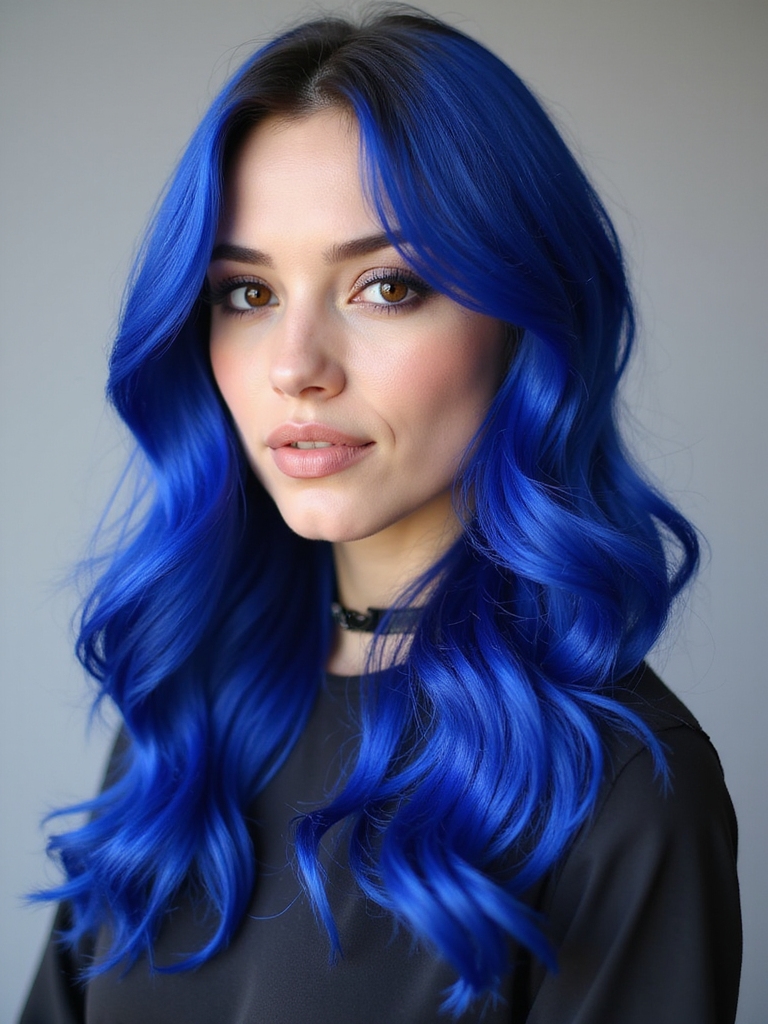
Keeping that vibrant blue hue from fading can be tricky, but with the right approach, it’s totally doable.
I stick to color-safe shampoos and conditioners to maintain my shade, and I avoid excessive heat styling which can strip color faster.
Choose Color-Safe Products
One essential step in preserving your vibrant blue hair is to choose color-safe products specifically formulated to protect against fading.
Here’s what you need to look for:
- Sulfate-free shampoo – Keeps color locked in.
- Color-safe conditioner – Nourishes without washing out hues.
- Leave-in treatments – Adds extra protection and moisture.
- UV protectant sprays – Shields from harmful sun exposure.
These savvy choices will extend your bold look!
Limit Heat Styling
Although we all love how sleek and polished our hair looks after styling tools like flat irons and blow dryers, they can be your blue hair’s worst enemies.
Believe me, excessive heat fades vibrant shades faster than you’d expect. To protect that bold color, limit heat styling.
Opt for air-drying or use heat protectants. Accept natural textures occasionally. Your hair will thank you, and so will your color!
Scheduling Regular Touch-Ups
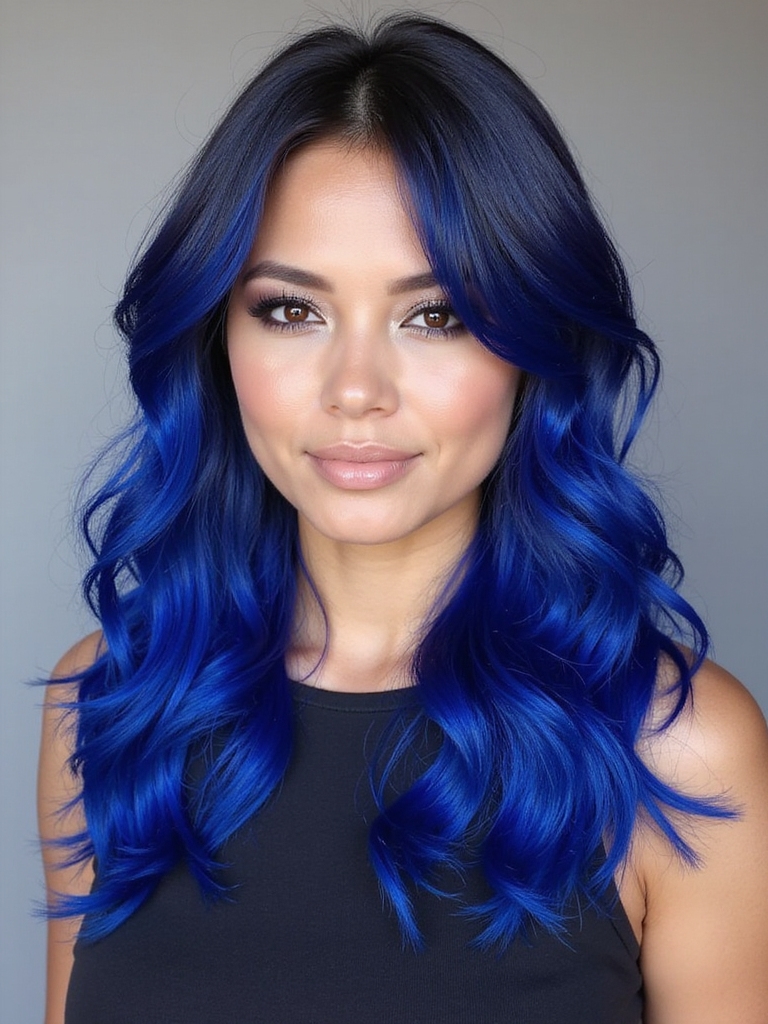
How often should you schedule touch-ups to keep your blue hair vibrant and bold? Here’s a practical plan:
- Every 4-6 weeks: Refresh faded hues.
- Monthly trims: Prevent split ends; enhance dye uptake.
- Weekly deep conditioning: Lock in moisture, boost color.
- Weekly check-ins: Monitor color; adjust routine as needed.
Staying on schedule makes your blue hair feel bold—not cartoonish.
Addressing Common Hair Dye Mistakes
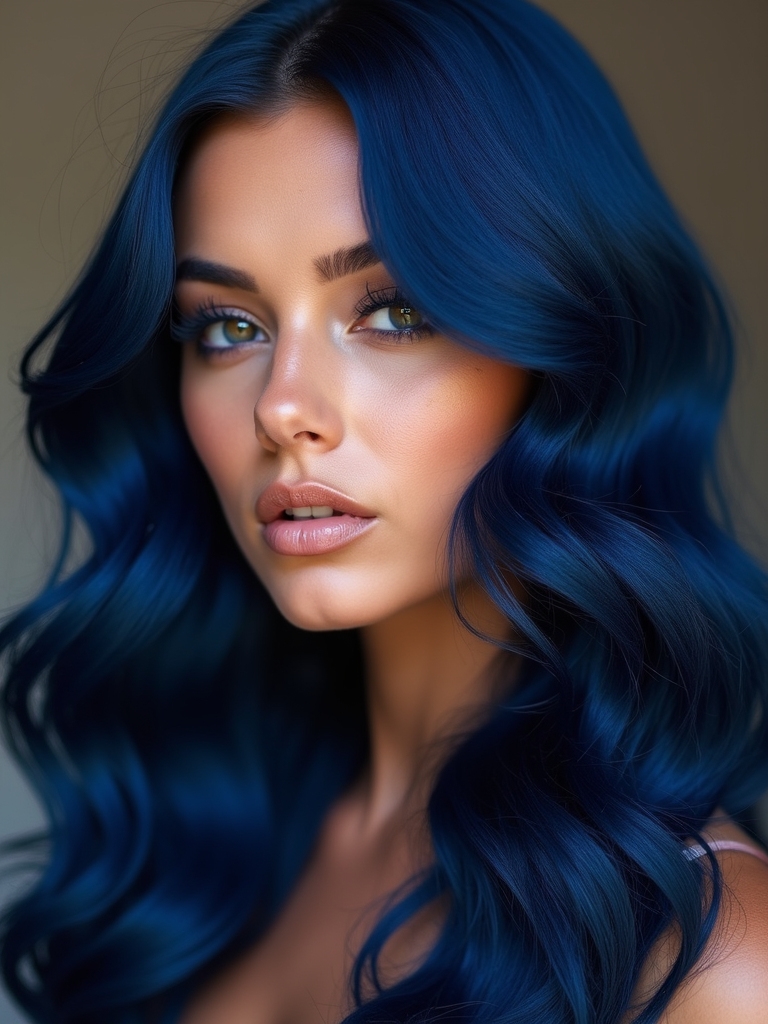
Vibrant blue hair demands attention and care, but the smallest slip-up can make it look offbeat rather than chic. Choosing the right shade matters; cool tones sometimes clash with warm skin.
Avoid overlapping touch-ups—it leads to uneven color and potential breakage.
Finally, never skip the strand test. It’s essential to see how your hair reacts to the dye before committing completely.
Accessorizing With Confidence
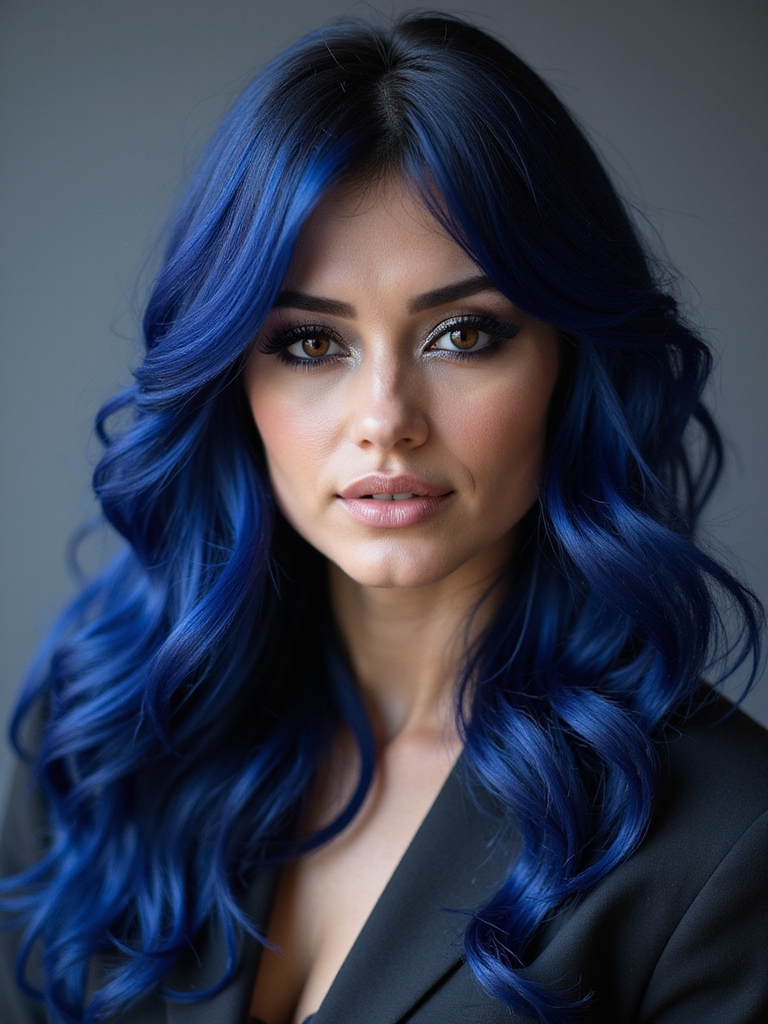
When you’re rocking blue hair, the right accessories can make you feel like you’re owning the look, not just wearing it.
Here’s how to accessorize with confidence:
- Statement earrings: They draw eyes to your face, complementing your hair.
- Bold scarves: Add texture and color without overpowering.
- Neutral hats: Keep the focus on your hair.
- Unique pins: Showcase personal style and creativity.
Transitioning From Blue to Other Colors
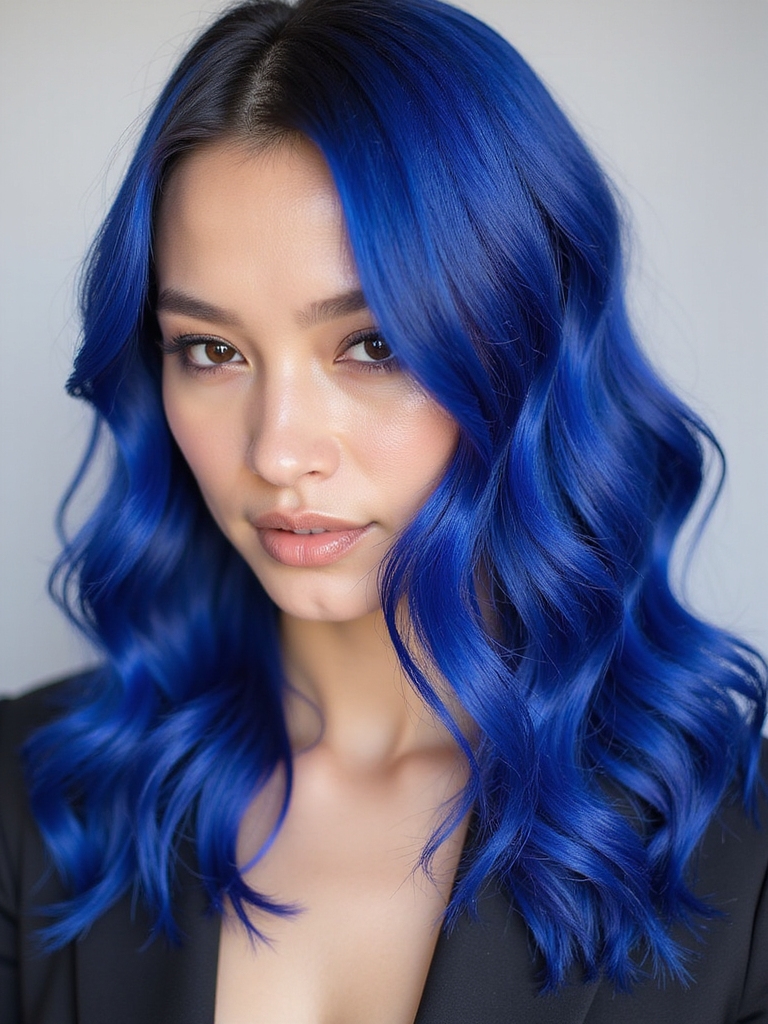
Shifting from blue hair to another color can be both exciting and a bit intimidating.
Start by lightening your blue until it’s a pastel shade. This makes the change smoother and less shocking. From there, choose a new hue that complements your current shade.
Use quality products to prevent damage. Don’t rush; patience will guarantee a vibrant, fresh look that you’ll love.
Embracing Your Unique Style
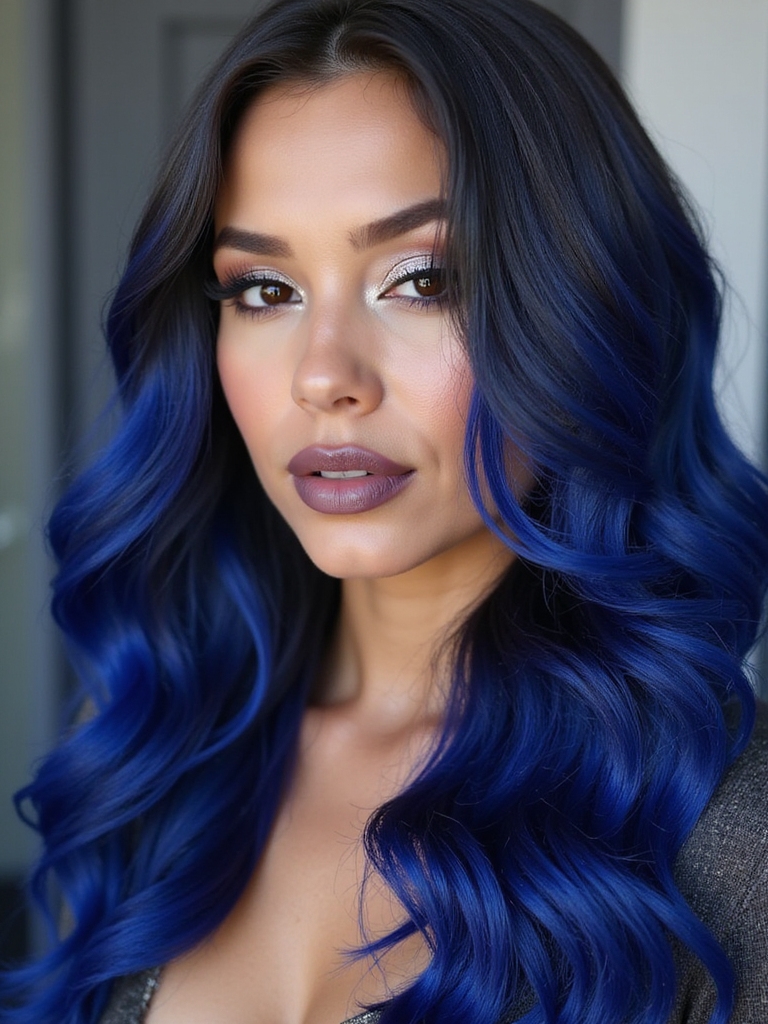
Even if you’ve just said goodbye to your blue locks, adopting your unique style isn’t just about hair color. It’s about welcoming what makes you, well, you.
Here’s how I do it:
- Wardrobe: Choose pieces that reflect your vibe.
- Accessories: Add flair with statement jewelry or funky shoes.
- Confidence: Own your choices unapologetically.
- Creativity: Mix it up regularly—don’t settle.
Explore what sparks joy in you!
So, if you’re thinking about going blue, don’t worry about feeling cartoonish—it’s all about finding the right shade, matching it to your skin tone, and complementing it with your style. Remember, hair texture and type play into how color looks, so keep that in mind.
Accessorize with confidence and don’t stress changes; welcome your unique style. It’s all about experimenting and having fun, knowing you can always tweak things as you go. Believe me, you’ve got this!


