

I’ve been watching how tribal braids exploded across feeds, and I can’t help but admire how centuries-old African and Indigenous techniques found new life in bold parts, cornrows and accessories.
I’ll walk you through the creators, patterns, tools and the important conversations about credit and care that followed — and why supporting Black braiders matters more than ever — but first, let’s look at where these styles actually come from.
Origins and Cultural Roots of Tribal Braids

When we talk about tribal braids, I like to start by tracing them back to the communities that created and cherished them — from West and Central Africa to Indigenous peoples across the Americas and Pacific islands — because those roots explain both the styles and the meanings braided into each strand.
I honor rituals, identity, status, and resilience woven into techniques passed down through generations.
Many timeless braided styles for Black women, such as box braids and cornrows, continue to influence contemporary hair culture and fashion braided hairstyles.
Viral Styles That Dominated Social Media

I’ve watched tribal braids explode across feeds and stories, turning traditional techniques into viral looks that people everywhere try, remix, and share.
I loved seeing simple twists, bold partings, and accessory accents trend fast.
Short tutorials, before-and-after clips, and remix challenges made styles accessible.
They sparked creativity, encouraged experimentation, and brought joy as communities adapted motifs respectfully and playfully.
Many creators also showcased Hair Braids in quick how-tos to help viewers replicate the looks.
Creators and Influencers Who Took the Lead
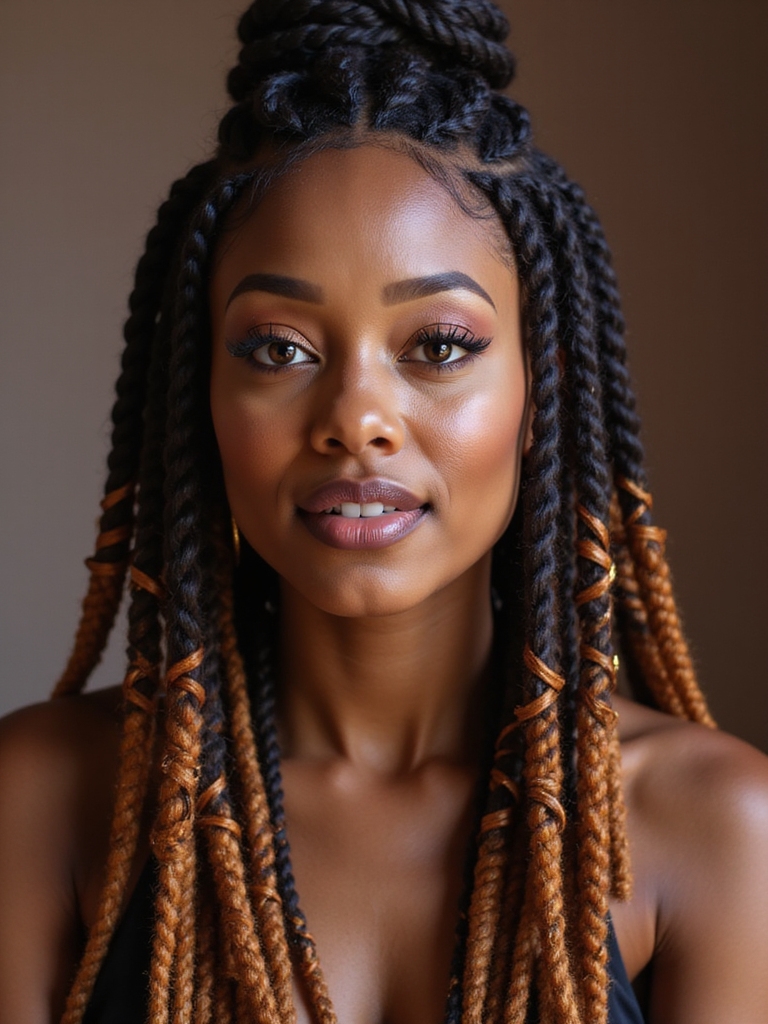
I dove into the feeds and noticed creators who didn’t just follow the trend — they shaped it, teaching techniques, setting challenges, and remixing tribal braids into signature looks that others copied and celebrated.
I followed creators who led conversations, built communities, and sparked collaboration:
- trend starters
- tutorial hosts
- remix artists
- community builders
Their energy made the movement feel joyful and inclusive. Cornrow braids are rooted in African hairstyling traditions and have evolved with contemporary creativity.
Signature Patterns and Techniques Explained

Although the basics of tribal braids are simple, I’ll walk you through the signature patterns and techniques that give each look its personality—think zig-zag partings, raised cornrows, ladder braids, and intricate feed-ins that shift texture and direction.
I explain pattern placement, tension control, directional changes, and layering to create movement.
You’ll spot how small variations transform a braid from classic to avant-garde.
These styles range from everyday looks to statement braided cornrow styles that suit every occasion.
Tools, Products, and Preparation Tips

Before I pick up my combs and products, I lay everything out so I know exactly what I’ll need and why—clean hair, the right combs, edge control, moisturizers, and any extension hair all play different roles.
I check tools and test products, then organize:
- Wide-tooth comb
- Rat-tail comb
- Lightweight oil/leave-in
- Firm edge control
Preparation saves time and keeps styles neat. Large knotless box braids offer versatility and are a great option for clients who want long-lasting, low-tension protective styles.
Step-by-Step Guides for Popular Looks

Now that I’ve got my tools and products lined up, let’s get into the looks themselves. I’ll walk you through classic tribal cornrows, chunky goddess braids, and elegant halo styles with clear steps: section, tension control, feed-in technique, and secure finishing.
I’ll note timing, common slip-ups, and simple fixes so you can recreate each look confidently and with a polished finish. Elegant Fulani Braid Styles are rich in cultural history and distinctive patterns, so consider studying braid placement to honor the tradition as you style.
How Geometry and Parting Create Impact

When I map out a style, geometry and parting are the secret language that turn simple braids into a statement—clean lines, crisp angles, and thoughtful spacing control how your face reads and how the braid moves.
I plan sections like a sketch, balancing symmetry and surprise. Tips I use:
- Straight part precision
- Diagonal drama
- Spacing rhythm
- Framing the face
Knotless techniques can make those shapes lie flatter and move more naturally, especially with Medium Knotless Braids for everyday wear.
Celebrity Moments That Amplified the Trend

Mapping parts and angles sets the foundation, but it’s the celebrities who put these tribal braids on the map.
I watched stars rock bold, cultural-inspired braids at premieres and award shows, then share looks instantly. Their confidence and visibility turned niche styles into viral moments.
I felt inspired, tried new variations, and saw how celebrity endorsement accelerated wider appreciation and playful experimentation. Many women also embraced these styles as part of celebrating Timeless Braids and cultural heritage.
Street Style and Runway Adaptations

As I watched tribal braids move off red carpets and into everyday life, I started noticing how street stylists and runway designers each put their own spin on the look; streetwear kept it gritty and personal—chunky braids, mixed textures, unexpected accessories—while runways polished the concept with sleek finishes, sculptural shapes, and high-fashion detailing.
- Chunky braids
- Mixed textures
- Bold accessories
- Sculptural shapes
I loved seeing creativity crossover, blending raw authenticity with couture refinement. Protective styling like braids for black hair also helped popularize the look by promoting hair health while showcasing bold designs.
Community Platforms Driving the Movement

Seeing those looks move from runways and sidewalks into feeds, I started noticing that it wasn’t just stylists or designers steering the conversation—community platforms were amplifying and shaping how tribal braids spread.
I watched creators share tutorials, local salons tag each other, and niche groups celebrate techniques. That networked visibility made styles accessible, sparked collaborations, and turned niche trends into joyful, shared movements across corners of the internet.
Goddess braids, with their elegant cornrow patterns, became a staple look embraced widely and celebrated for their cultural roots and versatility in styling Goddess Braids.
Conversations About Cultural Appreciation vs. Appropriation

When I started paying closer attention, the excitement around tribal braids quickly brought up tougher questions about cultural appreciation versus appropriation. I wanted to learn, listen, and act respectfully.
Here’s how I approach it:
- Ask origins and meanings
- Credit traditions and creators
- Avoid stereotypes or costumes
- Support informed celebration
I stay curious, humble, and open to correction while enjoying the beauty responsibly.
Supporting Black Braiding Artists and Small Businesses

To support Black braiding artists and small businesses, I start by seeking out their work directly—booking appointments, buying handmade hair accessories, or sharing their pages with friends.
I also leave thoughtful reviews, tip generously, and attend pop-ups. When I buy gift cards, I help sustain income. Celebrating creators publicly feels good and keeps community talent visible and valued.
Maintenance, Longevity, and Hair Health Tips

I love supporting braiders and small shops, but keeping those styles looking fresh and protecting your natural hair matters just as much.
I recommend gentle cleansing, nightly satin protection, and scalp oiling to prevent tension and dryness.
Follow these basics:
- Wash with diluted cleanser
- Seal ends with oil
- Sleep on satin
- Avoid heavy tension
Stick to gentle care and enjoy your style longer.
Educational Resources and Historical Contexts
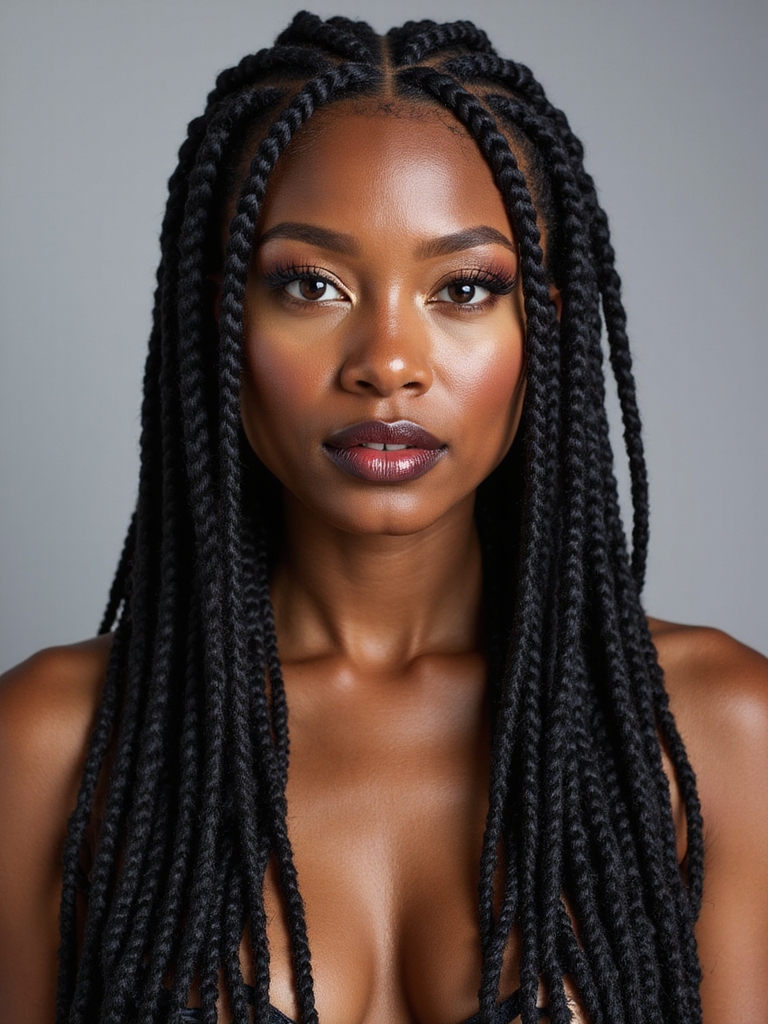
I want to share some trusted resources and historical context so you can appreciate where these tribal braids come from and what they mean.
I’ll point to books, oral histories, and community educators who explain origins and cultural significance, and how braid techniques and meanings were passed down through generations.
Together we’ll look at how education and transmission shaped the styles that later went viral.
Origins and Cultural Significance
Although braided styles like the ones that went viral might seem modern, I’ve found they’re rooted in centuries of Indigenous and African traditions that carried meaning far beyond fashion.
I explore origins, symbolism, and community roles, and I invite you to appreciate context and respect.
Key aspects include:
- Social identity
- Ceremonial use
- Craftsmanship techniques
- Intergenerational knowledge transfer
Historical Transmission and Education
Building on those cultural roots, I want to look at how braided knowledge has been taught and preserved over time. I learned from elders, apprenticeships, and communal gatherings that combined technique, stories, and social meaning.
Today, workshops, digital archives, and respectful collaborations help transmit skills while honoring context. I encourage you to seek sources that credit communities and support living traditions.
The Future of Braiding: Innovation and Fusion

I’m excited to imagine how tech-infused braiding—think LED accents or smart fibers—could change styling and storytelling.
I also see vibrant cross-cultural fusion pushing creative boundaries while honoring origins, and sustainable material innovation making those looks kinder to the planet.
Let’s explore how these trends might reshape both craft and culture.
Tech-Infused Braiding
Imagine slipping a strand of LED lights into a cornrow and watching it pulse to your playlist — that’s the kind of future I’m excited to explore with tech-infused braiding.
I see smart fibers, modular clips, and wearable controls blending style with function. Consider possibilities:
- LED-integrated braids
- NFC-enabled hair beads
- Heat-responsive color strands
- Detachable power modules
I can’t wait to experiment.
Cross-Cultural Fusion
When cultures meet, braiding becomes a living conversation, and I’m excited to trace how patterns, techniques, and meanings are weaving together across communities.
I see designers borrowing knotwork, color stories, and rhythm from distant traditions, remixing respectfully with local flair. That exchange sparks fresh silhouettes, inclusive storytelling, and joyful collaboration—braids as bridges that honor origins while inviting playful, modern reinvention.
Sustainable Material Innovation
As braids keep borrowing and blending across cultures, I’m also watching the materials themselves evolve—fibers, fastenings, and finishes are getting a sustainability makeover. I love imagining braids made from recycled yarn, biodegradable beads, and low-impact dyes.
Here are directions designers explore:
- Recycled synthetic fiber blends
- Plant-based biodegradable beads
- Low-water, natural dyes
- Compostable hair ties
Sustainable style feels achievable and joyful.
I’ve loved watching tribal braids burst into the spotlight, honoring traditions while inspiring fresh creativity everywhere. As you explore styles, give credit, support Black braiders and small shops, and choose sustainable tools and products.
Play with patterns, but keep hair health top of mind and learn the histories behind the looks. Together we can celebrate, respect, and help these living arts thrive—mixing innovation with deep cultural care for generations to come.